



Introduction
Paeonia emodi, traditionally known as Ood-e-Saleeb, is a plant that occurs in two varieties, commonly described as male and female. The root of the male plant has a distinctive cross-shaped marking known as Fadania, whereas the female root lacks this characteristic.
In addition to mountainous regions of Arabia and Europe, the plant is found in the Himalayan foothills, extending from Hazara to Kumaon.
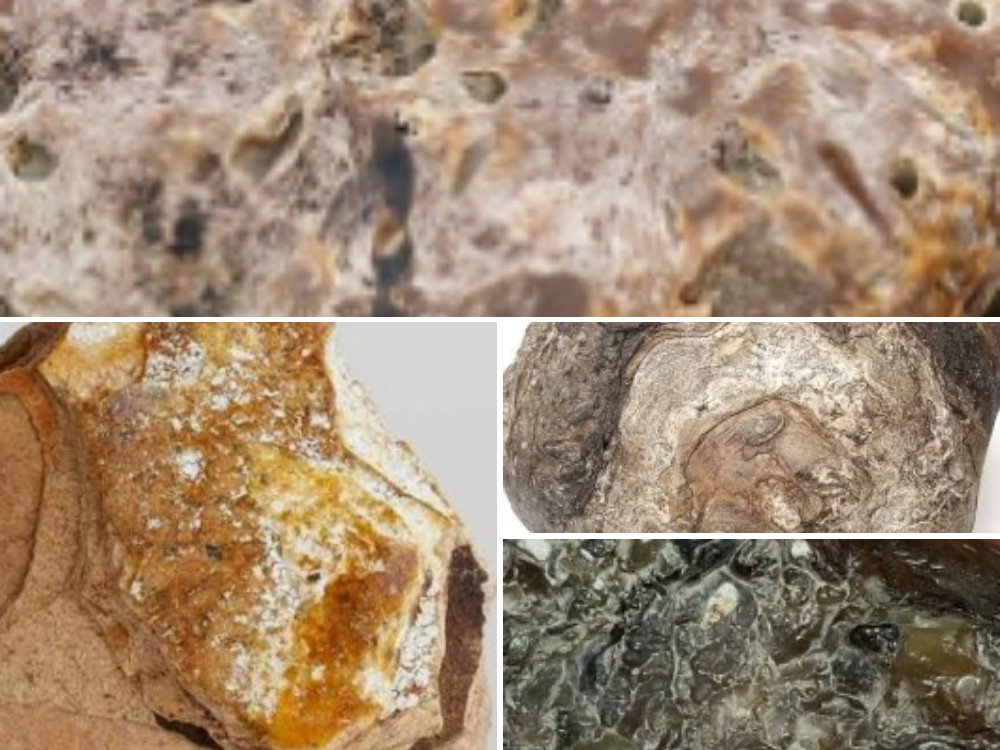
The plant generally grows 1–2 feet in height and is highly branched. The root of the male plant is round and approximately the thickness of a thumb, while the female root is elongated. The root is about 1–3 inches long, tapering toward both ends, and approximately one-seventh of an inch thick.
Externally, the root is brown with visible striations and contains a starchy substance. When broken, its outer covering appears tough, and cross-shaped markings may be visible internally.
Taste and Quality
The root has a somewhat pungent taste. A traditional characteristic of high-quality Ood-e-Saleeb is that chewing it produces a pungent and slightly bitter sensation, together with a mild itching sensation on the tongue.
When stored properly, its potency is traditionally said to remain intact for up to seven years.
Leaves
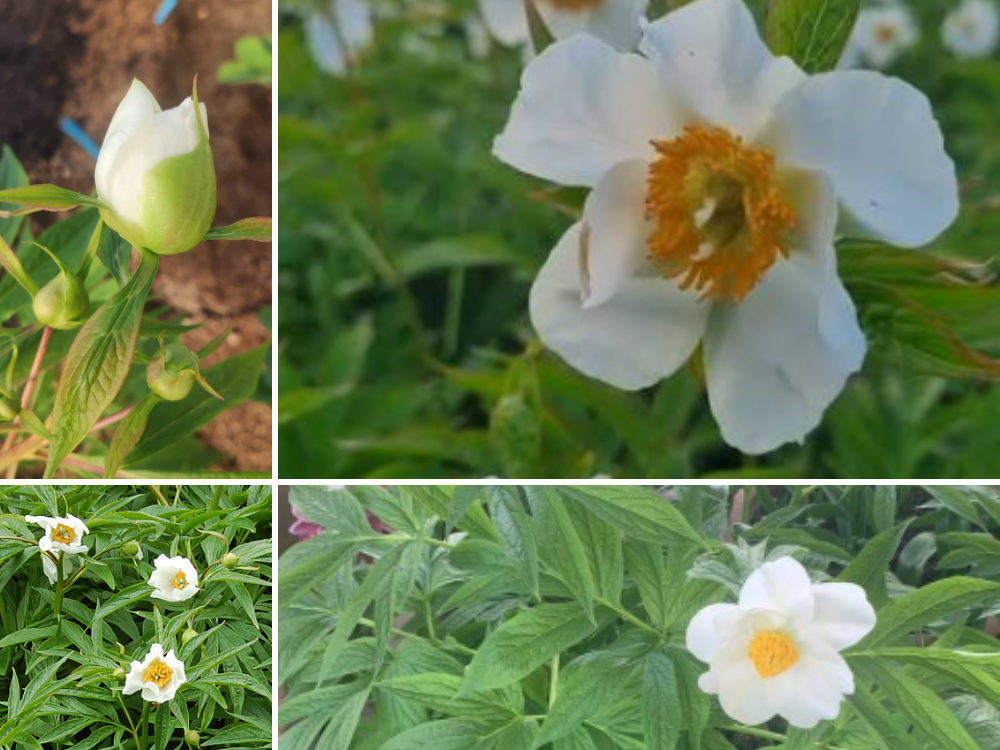
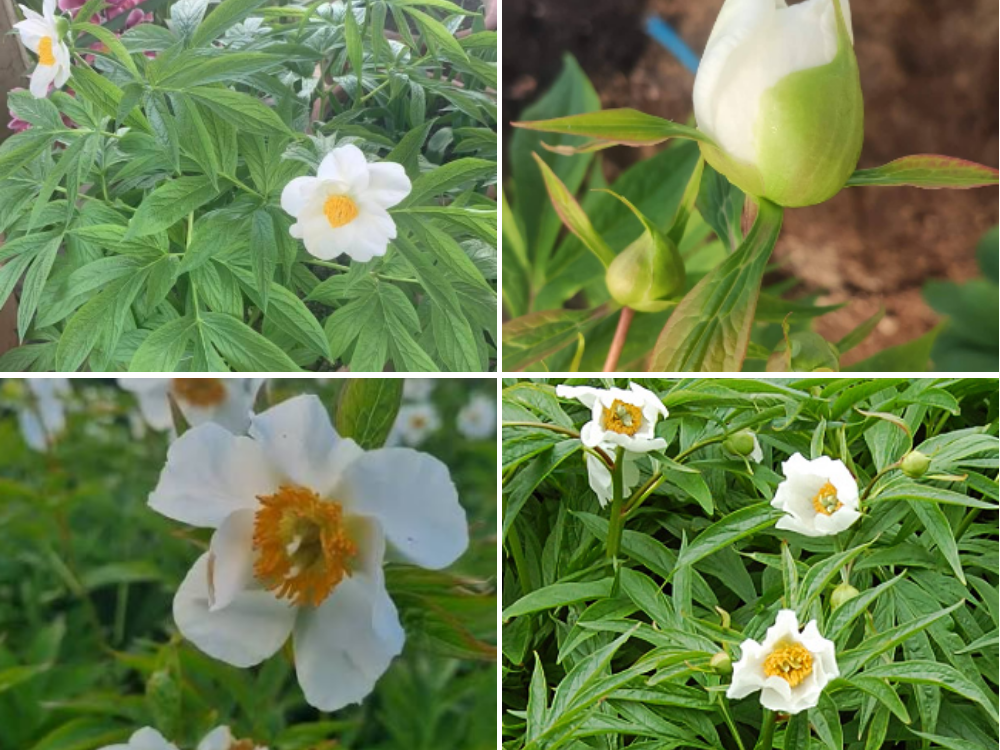
The leaves are divided into three sections and have serrated margins. They are smooth to the touch.
Flowers
The flowers are blue and resemble roses. They have approximately four to six petals, which are broader than those of a rose. Yellow pollen-bearing stamens are present in the center of the flower.
Fruit and Seeds
The fruits are round and knobby and resemble almonds. They develop from the stem and contain red seeds, which are considered the kernels of the plant and resemble pomegranate arils.
The young shoots of the plant are also traditionally eaten.
Chemical Constituents
The root contains:
- Malates
- Phosphoric acid
- A small amount of tannin
- Sugar
- Starch
- Volatile oil
Temperament
Hot and dry, third degree.
Actions and Properties
Traditionally, Paeonia emodi is described as having the following properties:
- Diuretic
- Emmenagogue
- Desiccative (drying)
- Deobstruent (helps relieve obstructions)
- Resolvent
- Detergent (cleansing)
- Attenuant (thinning or reducing thickened humors)
- Sedative
Traditional Therapeutic Uses
Because of its traditionally described deobstruent, attenuant, and resolvent properties, Ood-e-Saleeb is used in traditional medicine for various phlegmatic disorders affecting the brain and nervous system.
Traditional uses include paralysis, facial paralysis (Bell’s palsy), tremors, epilepsy, insanity, melancholia, cerebral inflammation, hysteria, and Umm-ul-Sibyan, a historical term used for certain convulsive disorders in children.
Its sedative and deobstruent properties are traditionally considered useful for gastric, renal, and bladder pain.
As a diuretic, it is traditionally administered to promote urination. As an emmenagogue, it is traditionally used to promote menstrual flow and lochia after childbirth.
Because of its traditionally described detergent properties, it is also used externally as a paste or poultice for facial spots and blemishes.
Specific Benefits
Traditionally considered beneficial for:
- Insanity and madness
- Epilepsy
These are traditional medicinal claims and should not be interpreted as established treatments for neurological or psychiatric conditions.
Harmful Effects and Contraindication
Traditional sources describe Paeonia emodi as contraindicated during pregnancy. It should therefore not be used during pregnancy unless specifically prescribed and supervised by a qualified healthcare professional.
Vehicle
Traditionally administered with:
- Honey
- Gulkand (rose-petal preserve)