




Introduction
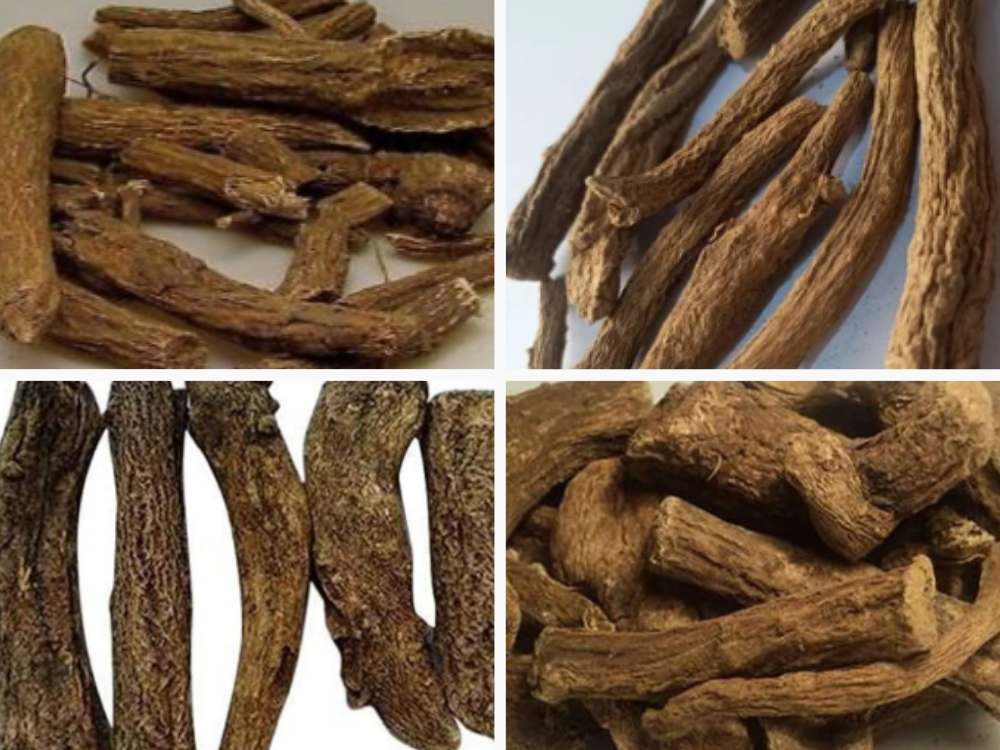
Euphorbia is traditionally described as the dried latex of a particular species of Euphorbia, a cactus-like plant native to Morocco and other parts of Africa. It is yellowish in color, has a pungent odor, and possesses an intensely bitter taste. With age, it may develop a reddish color.
Some sources identify euphorbium as the dried latex of Mezereon (spurge olive), while others describe it as the gum of a tree. However, according to the traditional view presented here, both identifications are considered incorrect because their properties and actions more closely resemble those of Euphorbia latex.
Chemical Constituents
Euphorbium is described as containing euphorbon, calcium, resins, and other constituents.
Temperament
Hot and dry (fourth degree).
External Actions
Traditionally, Euphorbium is described as
- Irritant
- Vesicant (blister-inducing)
- Rubefacient (causing redness of the skin)
- Ulcerating
- Stimulating
Internal Actions
Traditionally, it is described as
- Warming
- Nervine tonic
- A potent purgative for phlegm
- Abortifacient

Traditional Uses
External Uses
Because of its strongly irritant and rubefacient properties, Euphorbium has traditionally been mixed with sesame oil or olive oil and applied externally by massage for conditions associated with phlegmatic disorders and neurological complaints, including:
- Paralysis
- Facial paralysis (Bell’s palsy)
- Tremors
- Joint pain
- Numbness
It has also traditionally been described as a rubefacient and aphrodisiac for stimulating the genital region.
Traditional texts also describe intranasal administration after mixing euphorbium with marjoram juice for facial paralysis and general paralysis. This practice is potentially dangerous because Euphorbium latex is highly irritating and can cause severe inflammation and tissue injury. It should not be administered into the nose without specialist medical supervision.
Warming and Nervine Uses
Traditionally, euphorbium was administered internally for amenorrhea (absence or suppression of menstruation).
Historical texts also describe its use as a pessary to induce abortion. Such use is unsafe and can cause severe pain, burns, ulceration, bleeding, infection, and potentially life-threatening complications. Euphorbium should not be used to induce abortion.
Specific Benefit
Traditionally regarded as a potent purgative for phlegm and beneficial for various phlegmatic disorders.
Substitute
Sherz-e-Qoum—latex of certain Euphorbia species.
Harmful Effects
Euphorbium is a highly irritating substance and may cause skin wounds, severe irritation, and blisters. Contact with the eyes or mucous membranes can cause serious injury.
Corrective
The application of oils is traditionally referred to as a corrective measure.
Traditional Dosage
approximately 0.24–0.48 g (240–480 mg).