



Introduction1. Weakness of the Brain
According to traditional herbal literature, the peepal tree (Ficus religiosa), also known as the Sacred Fig, has been used in preparations intended to support brain health and address various neurological complaints. Traditional practice records the following remedies, but sufficient scientific evidence has not established their effectiveness and safety.
Traditional Remedy 1: Peepal Shoots with Milk
The traditional preparation involves boiling 10 tender Peepal shoots in approximately 500 ml of cow’s milk. After the mixture has boiled three or four times, it is removed from the heat, mixed with rock sugar (misri), and strained.
The original account recommends drinking this preparation every morning. However, the safety of consuming Peepal shoots in this manner has not been established. The traditional author also expresses concern that plucking tender shoots may damage the tree.
Traditional Remedy 2: Peepal Leaf Tea
Another traditional preparation involves drying tender Peepal leaves in the shade, grinding them into a fine powder, and storing the powder in a container.
The original recipe specifies approximately 3.9 g of leaf powder, boiled in 250 ml of water until the liquid is reduced to approximately 125 ml. The liquid is then strained, and sugar and milk are added before drinking it like tea.
This preparation is documented as a traditional remedy, not an established treatment for brain weakness.
2. Forgetfulness and Memory Problems
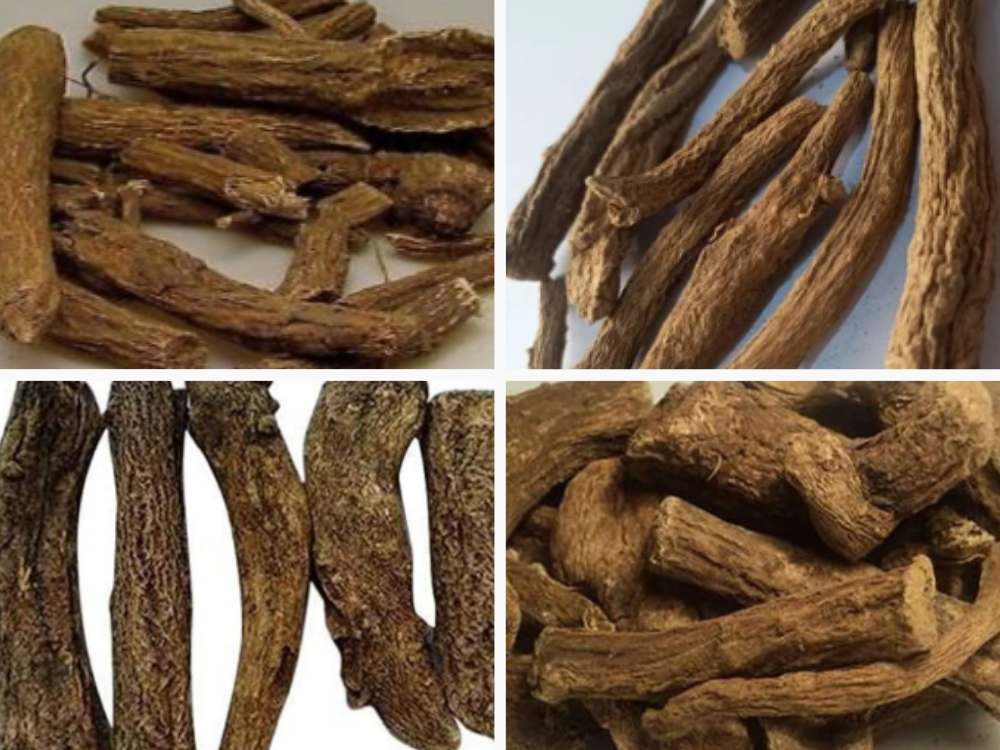
Traditional herbal literature describes peepal bark as a remedy for forgetfulness and difficulty retaining information or recalling past events.
Traditional Remedy
The original method involves drying Peepal bark in the shade, grinding it into a fine powder, and storing it for later use. The text recommends taking the preparation in the morning and evening using the method described for peepal leaf tea.
However, researchers have not yet established the safety, appropriate dosage, and effectiveness of peepal bark powder for memory problems. Persistent or worsening memory difficulties should be assessed by a healthcare professional.

3. Insanity and Delusions
Traditional accounts also describe the use of tender Peepal shoots in preparations intended for mental and behavioral disturbances.
Traditional Remedy
The original recipe involves cooking 10 tender Peepal shoots in approximately 250 ml of cow’s milk until the milk has completely evaporated, after which the remaining mixture is consumed.
The traditional text presents this as an inexpensive remedy for delusions and mental disturbances. However, this preparation is not a proven treatment for psychiatric or neurological disorders. Such symptoms require appropriate medical assessment and care.
4. Brain-Revitalizing Pills: Rasayan-e-Badan / Iksir-e-Dimagh
Traditional herbal literature describes a preparation known as Rasayan-e-Badan or Iksir-e-Dimagh, intended to support brain function and general vitality.
Preparation
According to the traditional account, peepal extract is concentrated until it becomes thick enough to form small pills. Each pill is described as weighing approximately 0.12 g (120 mg). Silver leaf (warq) may be applied to the outside for decoration.
Traditional Usage and Benefits
The original text recommends taking one or two pills, weighing approximately 0.12–0.24 g in total, with milk at bedtime. It attributes benefits to the preparation for cerebral weakness, memory loss, mental disturbances, and catarrh or colds.
These benefits are traditional claims and have not been established as proven medical effects. The composition and safety of the preparation should be verified before any medicinal use.
5. Traditional Claims Regarding Unconsciousness
The traditional account describes peepal sap as a remedy for unconsciousness associated with conditions such as meningitis, epilepsy, and heart weakness. It claims that the sap may restore consciousness rapidly.
Traditional Method Described in Historical Texts
The original account instructs readers to place a few drops of Peepal sap in the patient’s nostrils and apply a mixture of Peepal sap and an equal volume of pure honey to the forehead.
The exact volume of a few drops depends on the dropper and liquid, so it cannot be converted reliably into milliliters without further information.
Important safety warning: This method should not be used. Placing plant sap or honey in the nostrils of an unconscious person may cause irritation or interfere with breathing. Unconsciousness can be life-threatening and requires emergency medical attention. Never put food, liquids, honey, or herbal preparations into the mouth or nose of an unconscious person.