



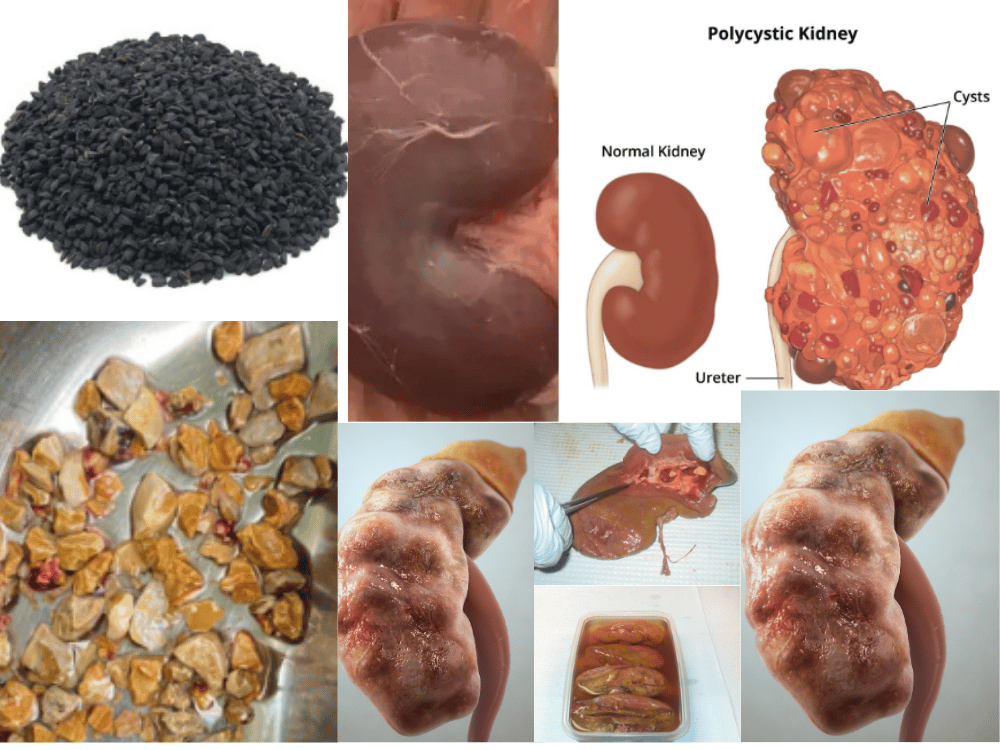
The kidneys are vital organs of the human body, located on both sides of the spinal column, slightly above the waist. Their primary function is to filter the blood and remove waste products in the form of urine. They also play an essential role in maintaining the balance of water, salts, and various chemical substances in the body. The bladder, on the other hand, serves as a storage organ for urine before it is excreted. Any disturbance in the functioning of these organs can lead to significant health problems.
Kidney Failure
Kidney failure is a serious condition in which the kidneys lose their ability to filter waste effectively. This leads to the accumulation of harmful substances in the body, disturbing overall health.
Causes
Several dietary and lifestyle factors are traditionally believed to weaken the kidneys. Excessive consumption of rice may burden kidney function. Chronic constipation is another important factor, as it affects the body’s ability to eliminate waste efficiently. Drinking tea with salt is also considered harmful and may weaken the kidneys over time, sometimes contributing to the formation of kidney stones.
Frequent consumption of certain vegetables such as tomatoes, peas, eggplant, cabbage, lentils, green leafy vegetables, and spinach is also thought, in traditional understanding, to contribute to kidney weakness when taken in excess.
Symptoms
Patients suffering from kidney weakness or failure may experience the following symptoms:
- Pain in the kidney region along with lower back pain
- Frequent urination with reddish or abnormal urine color
- Excessive thirst
- Headaches and difficulty sleeping (insomnia)
- An imbalance in bodily humors, often described as excess bile
Traditional Remedy
- Kalonji: 75 grams
- Kasani: 3 grams
- Henna: 5 grams
- Installment (Qist): 11 grams
Method of Use
Grind all ingredients and prepare a paste. Consume 6 grams of this mixture in the morning and evening for ten days each month.
Kidney Stones
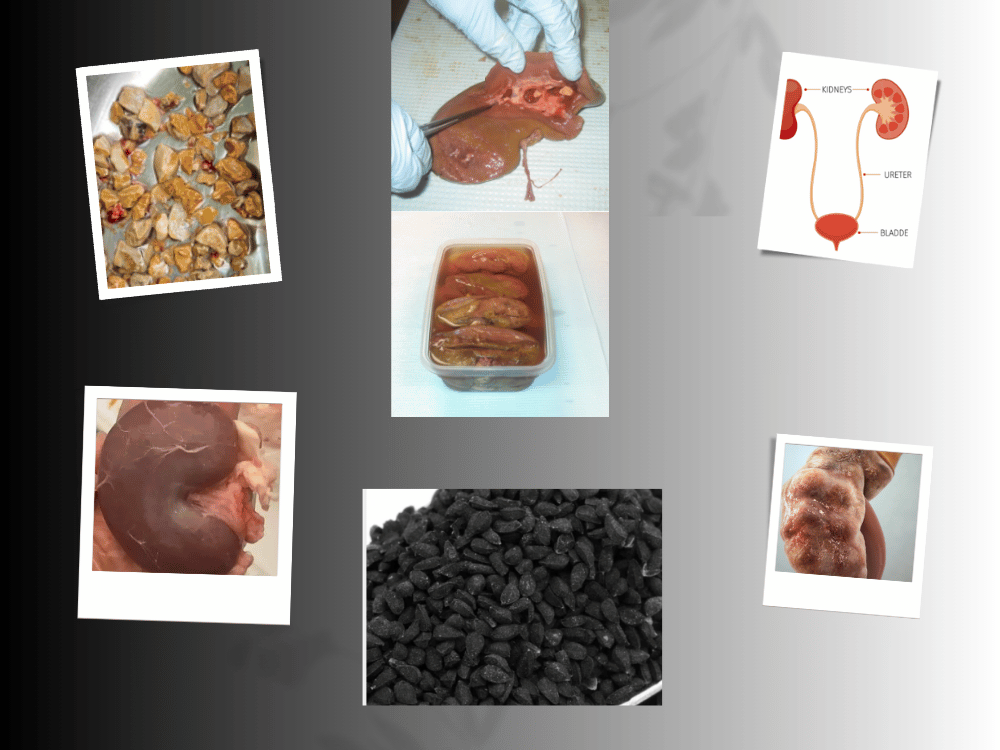
Kidney stones are hard deposits formed from minerals and salts that accumulate in the kidneys. They can cause severe pain and difficulty in urination.
Types of Kidney Stones
- Calcium Phosphate Stones: These are usually round, yellowish, and relatively soft, often egg-shaped.
- Calcium Oxalate Stones: These are hard, heavy, and may have a rough or spiny surface.
- Uric Acid Stones: These are generally smaller in size and may form due to metabolic imbalance.
Traditional Remedies for Kidney Stones
Recipe 1
- Kalonji Mother Tincture
- Sirkanda Mother Tincture
- Berberis Vulgaris Mother Tincture
Method of Use
Mix four drops of the combined tinctures in water and take in the morning and evening. Discontinue use once the stones have passed.
Recipe 2
- Rhizome sugar: 2 grams
- Salt pills: 2 grams
- Agarwood: 2 grams
- Kalonji: 1 gram
- Rice: 1 gram
Method of Use
Grind all ingredients into a paste and consume daily after meals with water. Stop the remedy once the stone is expelled.
Stoppage of Urination (Urinary Retention)
Urinary retention is a condition in which a person is unable to pass urine properly. It can cause discomfort, pain, and may lead to complications if not treated.
Traditional Remedies
Recipe 1
Take 2 grams of corn husk and boil it in a cup of water. Add 5 drops of kalonji oil and use this preparation daily for 20 days.
Recipe 2
Use four drops of kalonji mother tincture mixed in water, taken three times a day, to help promote urination.