



Introduction
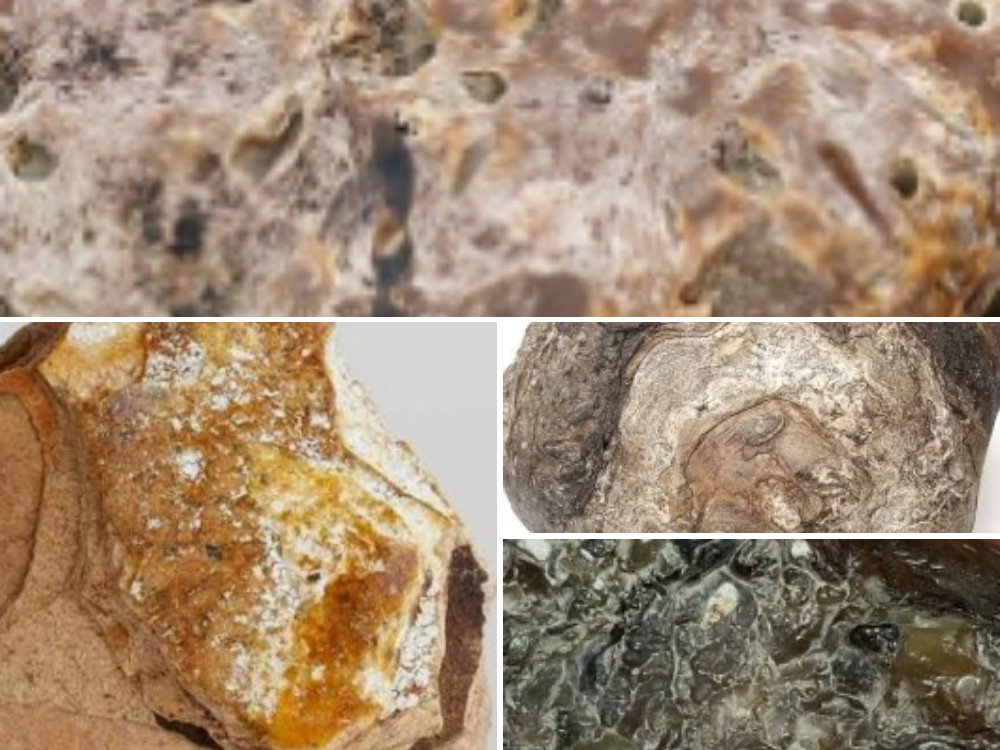
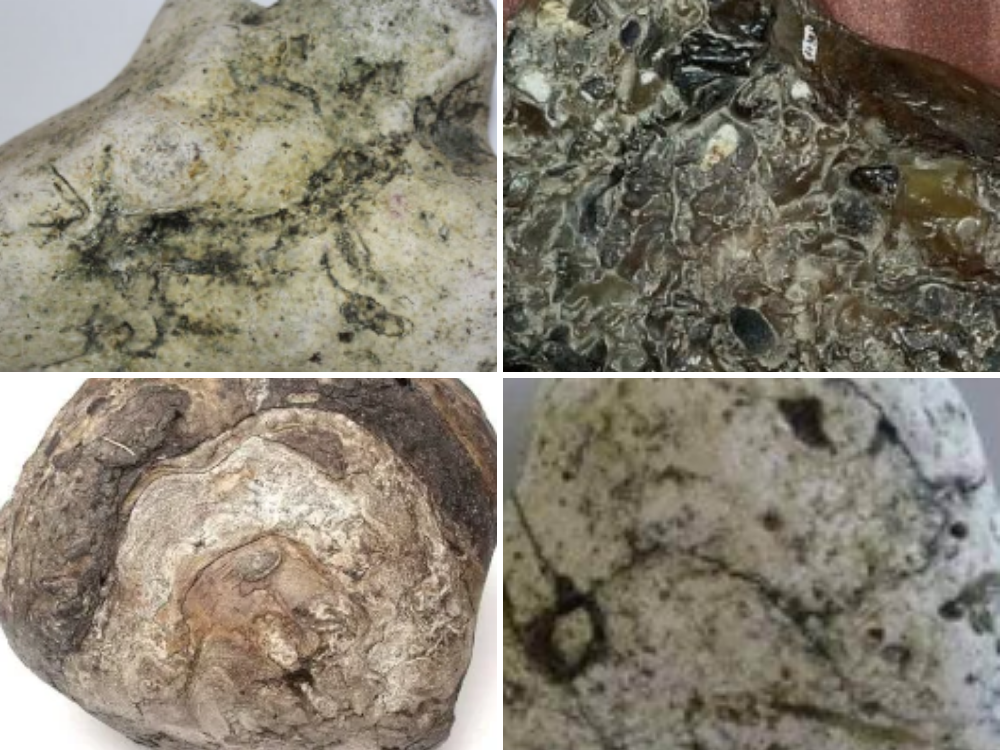
Ambra grisea, commonly known as ambergris, is an aromatic medicinal substance. Traditional sources describe it in three varieties:
- Ghubar-e-Shahb – Greyish-white to yellowish-white in colour and highly fragrant. This variety is traditionally regarded as the most beneficial.
- Ghubar-e-Khashkhashi – White in colour with small speckles resembling poppy seeds. It has a comparatively milder fragrance.
- Ghubar-e-Zamli – Contains sand and other impurities and must be purified before medicinal use. Impurities such as wax are traditionally removed during purification.
Nature and Origin
Traditional accounts differ regarding the exact origin of Ambergris. One traditional explanation holds that it originates from the honeycomb-like structures of a particular type of bee found on remote islands. According to this account, the combs break away during storms or heavy rainfall and fall into the sea. The honey dissolves in the water, while the waxy residue is carried toward the shore and deposited in fragments.
Another, historically established account identifies ambergris as a substance originating from the sperm whale.
In appearance, it is generally yellowish-white, with Ghubar-e-Shahb traditionally considered the most beneficial variety.
Temperament
Hot, second degree; dry, first degree.
Actions and Properties
Traditionally, Ambra grisea is described as:
- Exhilarant (Mufarreh)
- Cardiac and cerebral tonic
- Tonic for the senses
- Stimulant of innate heat (Hararat-e-Gharizi)
- Aphrodisiac
- Nervine tonic
Traditional Uses
As a traditionally described nervine tonic and exhilarant, ambergris is incorporated into preparations such as Yaqooti (ruby-based formulations) and Mufarreh (exhilarant preparations). These formulations have traditionally been used for neurological conditions such as:
- Facial paralysis (Luqwa)
- Hemiplegia (Falij)
- Tremors (Ra’sha)
- Tetanus (Kazzaz)
- Numbness (Khadar)
- Weakness of the brain and nerves
It is also traditionally used as a tonic for cardiac weakness and palpitations associated with a cold temperament.
Because of its traditionally described aphrodisiac and nervine tonic properties, ambergris is also incorporated into medicines used for sexual debility.
As a stimulant of Hararat-e-Gharizi (innate heat), it is traditionally believed to relieve weakness by supporting the body’s natural heat and vitality.
Traditional Authenticity Test
According to the traditional account attributed to Mulla Nafees, one test of authenticity is to place the substance over a fire. Genuine material is said to melt similarly to oil or wax.
This test is a historical authenticity test that should not be considered a reliable modern method for identifying ambergris.
Specific Benefit
Traditionally regarded as an aphrodisiac.
Traditional Dosage
0.12–0.36 g (120–360 mg).
This is a historical/traditional dosage conversion and should not be interpreted as a recommended modern therapeutic dose.