



Introduction
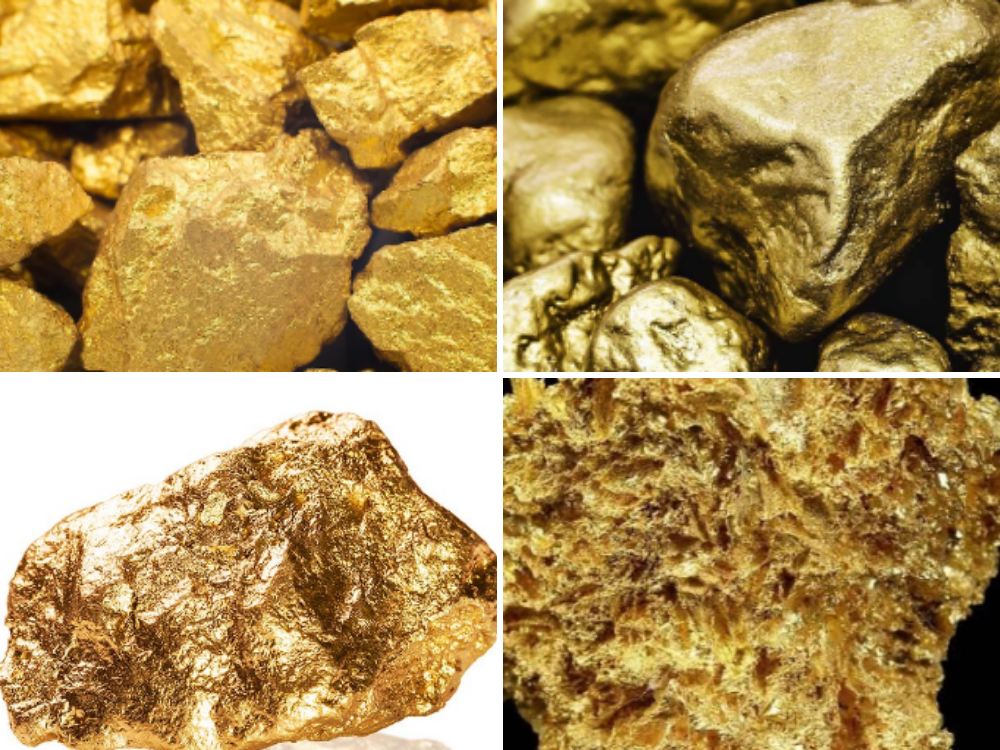
Gold is a lustrous and precious metal with a pleasing, slightly reddish-yellow hue. It is considered superior to most other metals and remains largely unaffected by exposure to air. As a result, its color and luster can remain unchanged for a very long time.
Gold is rarely found in a completely pure state and usually occurs naturally in combination with other metals, such as silver and iron. Its specific gravity is approximately 19.5. It is highly malleable and ductile—more so than most other metals—allowing it to be beaten into extremely thin sheets or drawn into very fine wires.
Gold requires a higher temperature to melt than silver and melts at approximately 2,192°F (1,200°C).
It dissolves in a mixture of one part nitric acid and two parts hydrochloric acid, traditionally known as aqua regia.
Traditional Medical Use
Indian and Arab physicians have used gold in traditional medicine for centuries. It is described in classical works such as Umdat-ul-Muhtaj, Muheet-e-Azam, and various Ayurvedic treatises.
Gold has also been used historically in other systems of medicine and may be prepared in traditional Unani medicine in the form of Kushta, a specially processed calcined preparation.
Temperament
Balanced, with a slight inclination toward heat.
Actions
Traditionally, gold is described as having the following actions:
- Body tonic
- Exhilarant and cardiac tonic
- Tonic for the brain
- Tonic for the liver
- Tonic for the reproductive system
- Restorative
- Blood purifier
- Beneficial for the humors
- Traditionally used for tuberculosis and wasting diseases
- Traditionally described as semen-thickening and semen-generating
Traditional Uses
Gold is traditionally used in the form of Warq (gold foil) and Kushta (calcined preparation). It is described as strengthening the body, heart, brain, liver, and reproductive system, while also providing a cardiac exhilarant effect.
Traditional texts describe the use of gold for conditions such as palpitations and cardiac weakness.
- Palpitations
- Cardiac weakness
- Melancholia
- Mental disorders
- Sexual debility
- Spermatorrhea (involuntary discharge of semen)
- Tuberculosis and wasting diseases
Specific Benefit
Cardiac and cerebral tonic.
Harmful Effects
Traditional sources describe gold as harmful to the bladder.