



Introduction
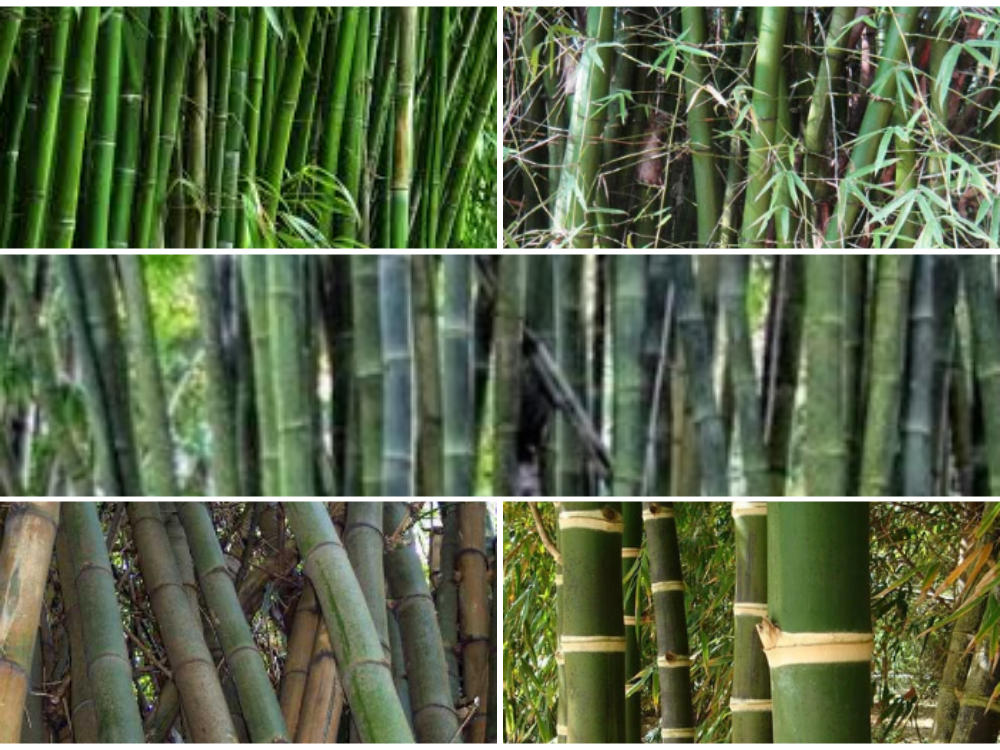
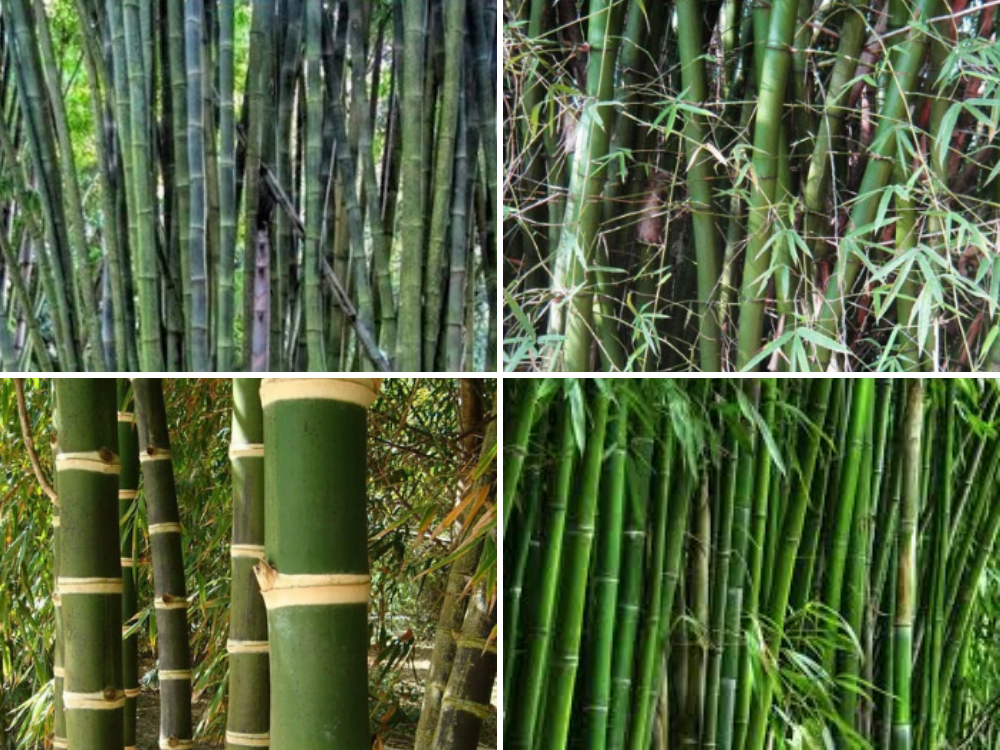
There are many varieties of bamboo, but Tabasheer (Bamboo Manna) is obtained only from certain specific varieties. In some types of bamboo—particularly the thick, thin, or mountain varieties known as Nazla Bans—a white, solid substance gradually accumulates and dries inside the bamboo stem, forming a pebble-like concretion.
When the bamboo is cut and shaken, this concretion produces a rattling sound, indicating the presence of Tabasheer. It is then extracted from the bamboo, and this is considered the genuine product.
Freshly extracted Tabasheer may appear grayish-brown on the outside. However, rubbing it with a coarse cloth reveals a white interior. Roasting it also causes it to become white.
Tabasheer is traditionally obtained from bamboo forests in Bengal, the Himalayan foothills, South India, Java, Sumatra, America, and regions near the equator.
Historical Use
Tabasheer has been used in Ayurvedic medicine since ancient times, including during the periods associated with Charaka and Sushruta.
The highest-quality Tabasheer is described as pearly white, resembling a seashell. However, imitation Tabasheer is widely available in markets. These imitations are often made from substances such as sodium silicate or aluminum silicate and may appear even more attractive than genuine Tabasheer, making identification difficult.
Distinguishing Genuine from Imitation Tabasheer
Traditional descriptions provide the following methods for distinguishing genuine Tabasheer from imitation products:
- Fire test: When genuine Tabasheer is placed in fire, it is traditionally said to retain its shape, luster, and color after removal. Imitation material may lose its shape.
- Water test: Imitation Tabasheer is traditionally described as dissolving in water, whereas genuine Tabasheer does not.
These traditional identification tests should not be considered reliable modern methods for determining chemical composition or authenticity. Laboratory testing is more appropriate for this purpose.
Temperament
Cold and dry in the third degree.
Chemical Composition
The principal constituent traditionally identified in Tabasheer is silicic acid (silica). According to traditional descriptions, a higher proportion of this constituent indicates higher-quality Tabasheer.
Traditional Uses
Tabasheer is traditionally described as a cardiac tonic and is used for conditions associated with excessive heat, including hot-natured palpitations, fainting, and restlessness.
It is also traditionally considered beneficial for disorders of the stomach and liver. Because of its desiccating property, it is described as drying excessive gastric secretions, thereby strengthening the stomach and potentially contributing to constipation.
As a potent refrigerant, Tabasheer has traditionally been used either as a powder or internally, alone or combined with other medicines, for wounds, burns, and oral ulcers (aphthae).
Because of its drying and cleansing properties, it has also traditionally been used as a tooth powder. It is described as helping improve the cleanliness and luster of the teeth while strengthening the gums.
Specific Benefits
- Cardiac tonic
- Traditionally considered beneficial for a “hot” liver
Corrective
Honey and Mastic (Mastagi).
Dosage
approximately 1–2.9 grams.