



Introduction
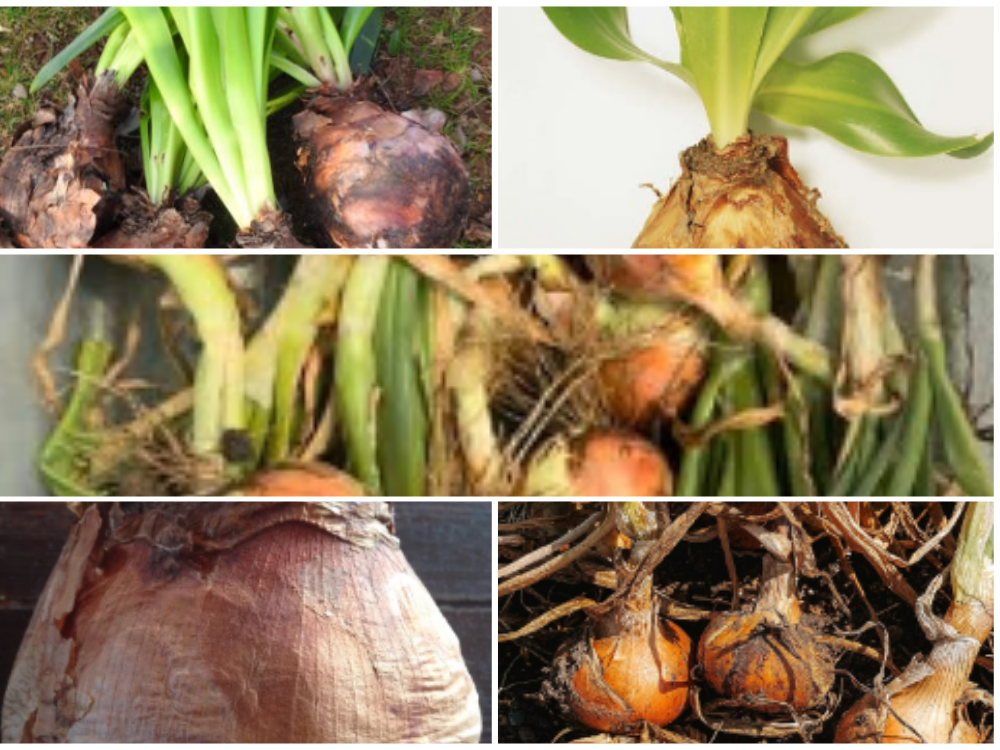
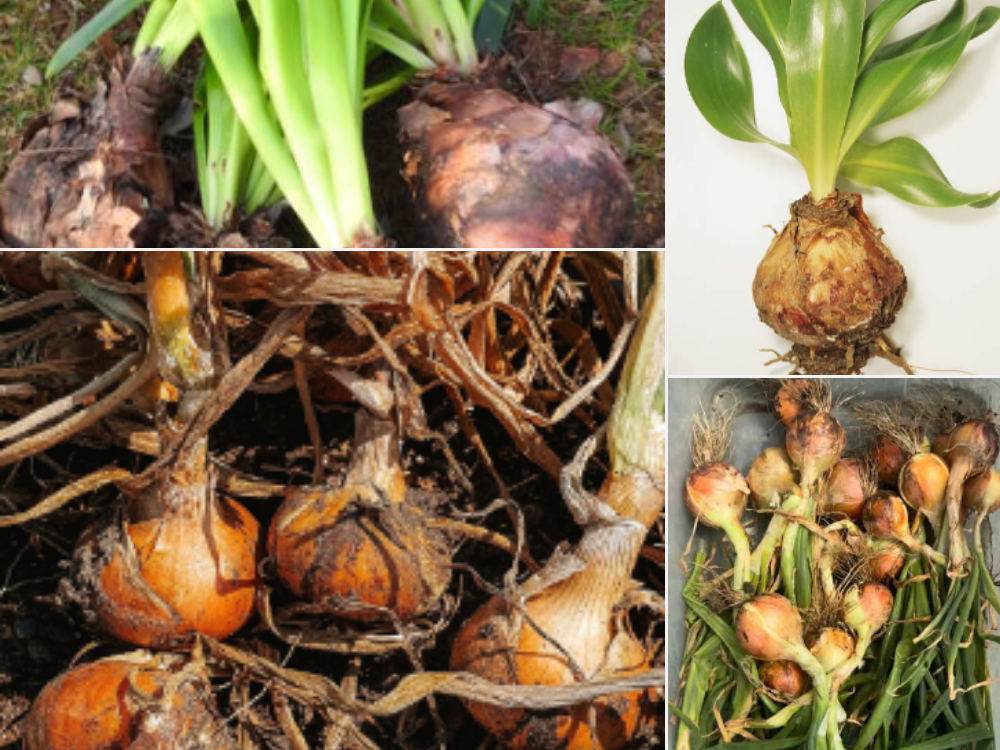
Squill belongs to the onion family. Its root resembles an onion bulb, and the plant grows to a height of approximately 2–3 feet. It flowers during the rainy and summer seasons.
Its pointed leaves resemble those of the common onion. They emerge from the root and range from approximately 5 inches to 1 foot in length and about 1 inch in width.
The seed pod is elongated, measuring slightly more than half an inch in length. It contains approximately seven or eight small, round, pungent, black seeds.
Root (Bulb)
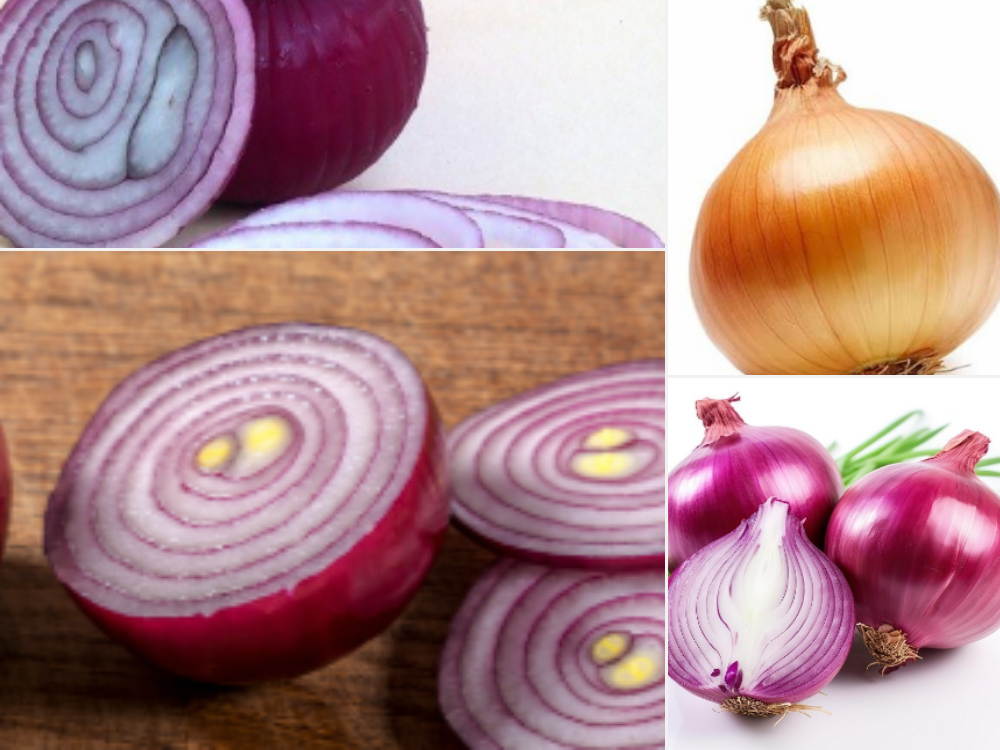
The root or bulb is egg-shaped, approximately 2–3 inches long, and pale onion-colored. It has a bitter taste. For medicinal use, the outer skin is removed, the bulb is sliced, and the pieces are dried.
Habitat and Distribution
Squid grows abundantly along seacoasts, particularly near the Mediterranean and Atlantic Oceans.
It is also found in the Western Himalayas, at elevations of up to approximately 7,000 feet. It occurs in regions including Garhwal, Kumaon, Bihar, Madhya Pradesh, Rajputana, Punjab, Saharanpur, Shimla, and Bengal.
The plant grows both wild and under cultivation.
Chemical Constituents
Squill contains the glucoside Scillain, along with two potent active principles traditionally identified as Scillipicrin and Scillitoxin.
Temperament
Hot and dry (second degree).
Actions
Traditionally, Squill is described as having the following actions:
- Expectorant—helps expel phlegm
- Antidote
- Aphrodisiac
- Resolvent
- Maturant
- Exhilarant
- Rubefacient—produces local redness and increased blood flow
- Anthelmintic—traditionally used against intestinal worms
- Emmenagogue—traditionally used to promote menstruation
- Diuretic—promotes urination
- Detergent—cleansing
Traditional Uses
The traditional uses and benefits of the squill are described as similar to those of the common onion. It has historically been used for conditions in which onions were traditionally employed.
It promotes urination and, by facilitating the expulsion of phlegm, has traditionally been used for cough, asthma, and dropsy (edema).
When applied externally, it has traditionally been used for skin blemishes. It has also been used traditionally against intestinal worms, as well as for joint pain and leprosy.
Squill has historically been described as strengthening the heart, with an action comparable to that of digitalis. However, excessive use may cause nausea, vomiting, and diarrhea. It may also cause severe irritation and inflammation of the gastrointestinal mucosa and may sometimes lead to indigestion.
The active constituents may be absorbed through damaged skin. Similar toxic effects may therefore occur if the substance enters the body through abraded skin or injection. A significant portion is eliminated through the mucous membranes, where it may produce stimulating and irritating effects during elimination.
Contraindications and Precautions
According to the traditional description, squill should not be used for acute coughs, although it has traditionally been considered beneficial for chronic coughs.
It is also contraindicated in cases of severe inflammation of the throat.
Because squill can contain potent cardioactive compounds, excessive or improper use can be dangerous. The dosage given below represents a historical traditional dosage and should not be interpreted as a modern therapeutic recommendation.
Specific Benefit
Traditional expectorant for coughs.
Traditional Dosage
(approximately 3–5 g).