



Introduction
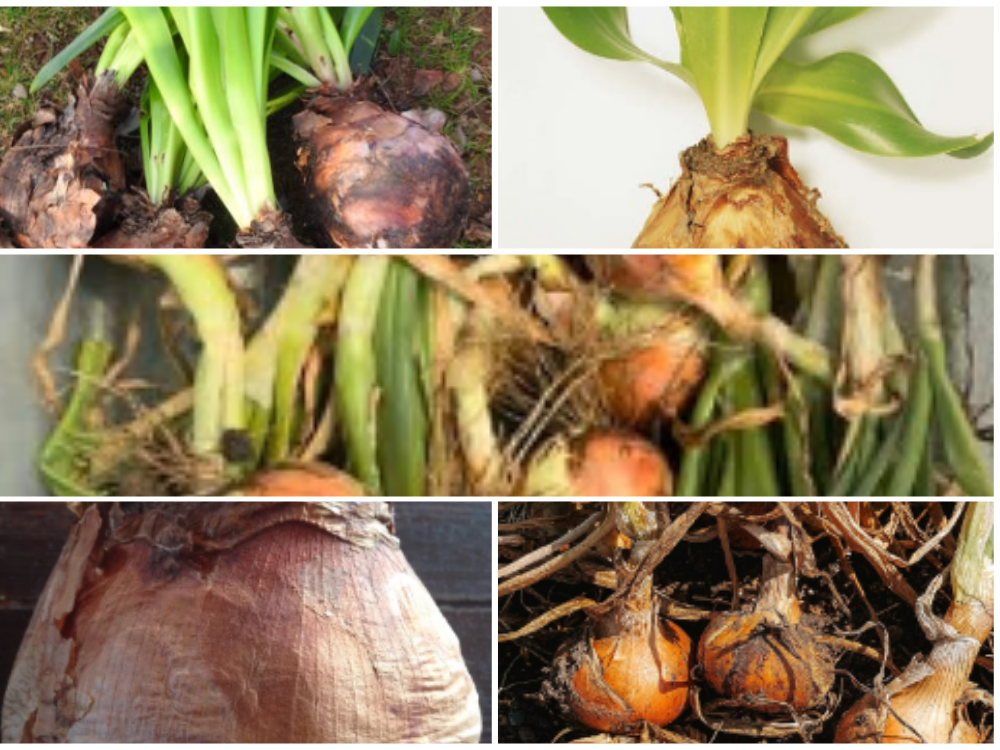
The plant grows to a height of approximately 2–2½ feet. Its leaves are dark green, elongated, rounded in outline, and hollow like a tube. They are soft and pointed and reach approximately 8–10 inches in length.
A tubular, round, dark-green stalk, approximately 2–3 feet tall, emerges from the center of the leaves. At its tip, it bears a ball-shaped cluster of white flowers. By the end of winter, this cluster produces small, black, triangular seeds.
Some people mistakenly identify these seeds as Kalonji (Nigella sativa), but they are different plants.
The plant is believed to have originated in Central Asia and is now cultivated in many countries, including the provinces of Pakistan and India.
There are several varieties of this plant. Descriptions of the small and large onion varieties have been provided separately. The plant has a distinctive odor and is traditionally regarded as having aphrodisiac and stimulating properties. Because of these properties, Hindu Sadhus (ascetics) traditionally abstain from consuming it.
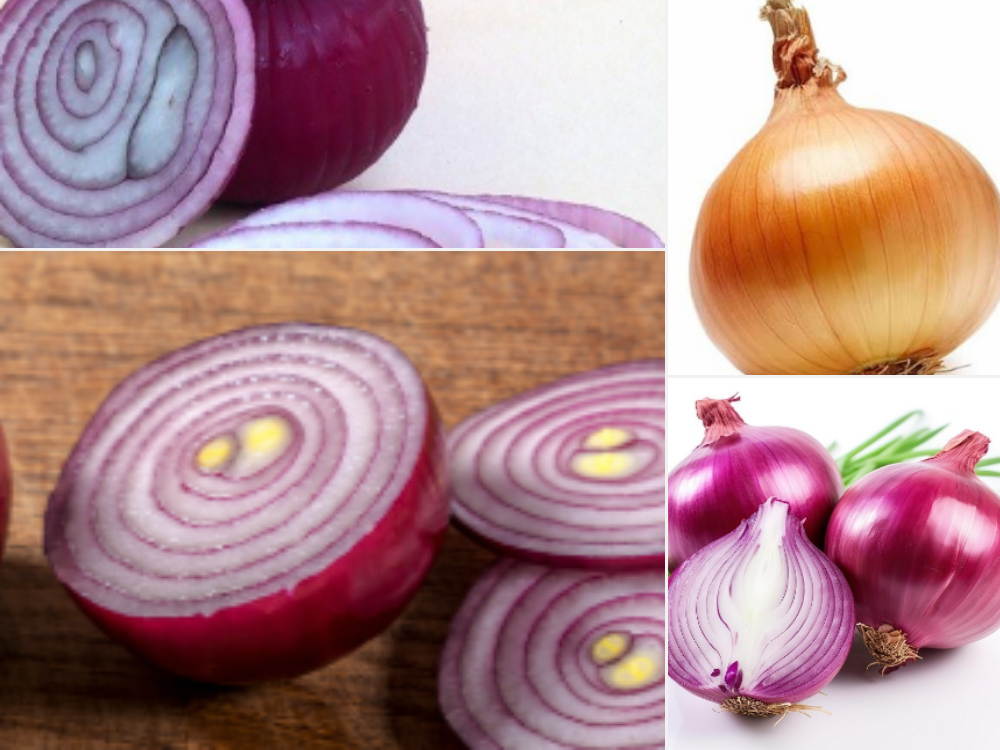
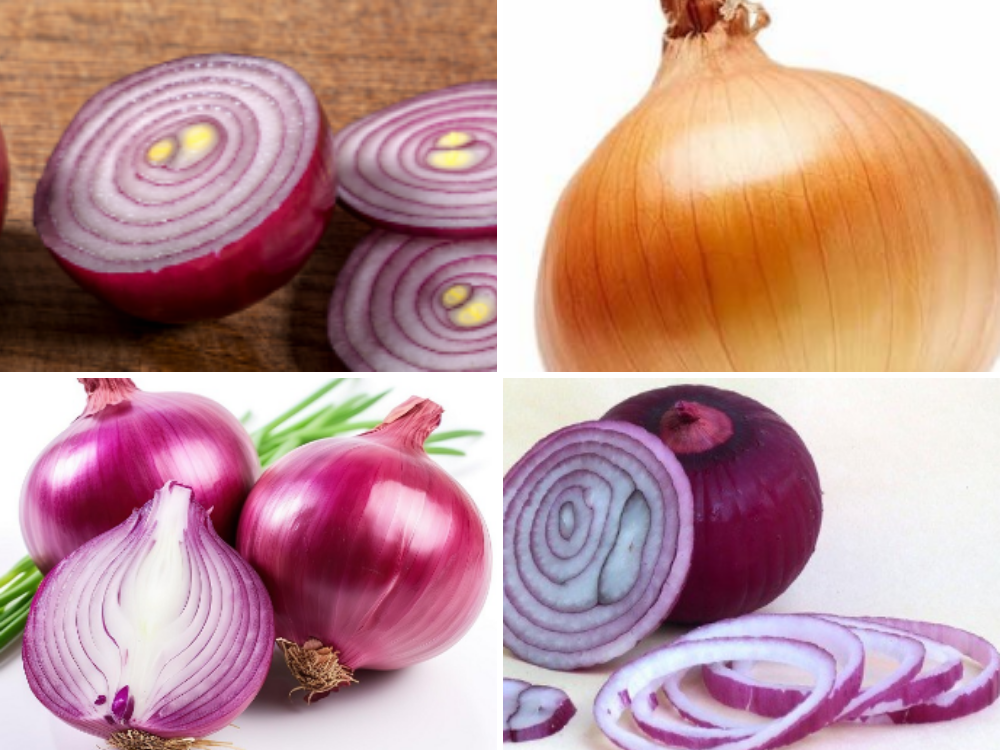
At the base of the plant is a bulbous swelling known as the onion bulb, which consists of several layers of thin, skin-like scales.
A variety also occurs in mountainous regions that matures over a two-year cycle. It produces a very large bulb and is used in much the same way as the common onion.
Chemical Composition
The traditional description gives the following approximate composition:
- Water: 80%
- Protein: 1.5%
- Carbohydrates: 11%
- Calcium: 180 mg
- Phosphorus: 70 mg
- Iron: 23 mg per 100 g
- Vitamins: B and C
- Fatty substances: 10%
Temperament
Hot (third degree) and dry (first degree).
Actions
Traditionally, Bulb Onion is described as having the following actions:
- Aphrodisiac
- Antitoxic
- Diuretic
- Emmenagogue — traditionally believed to promote menstruation
- Resolvent
- Maturant (concoctive)
- Expectorant
- Detergent — cleansing
- Deobstruent — traditionally used to relieve obstructions
Traditional Uses
Bulb Onion is commonly used as a culinary ingredient and spice, where it adds flavor to food and is traditionally considered helpful for digestion.
Regular consumption with honey, ghee, and onion juice is traditionally described as strengthening sexual potency.
It is also traditionally regarded as an antidote to certain toxins. Because of its digestive and deobstruent properties, it has historically been considered beneficial during conditions such as cholera. Consuming it with vinegar is traditionally believed to aid digestion.
Because of its resolving, maturant, and dispersing properties, warm onion is traditionally applied over swellings to help resolve or bring them to maturity. Its cleansing properties are traditionally believed to assist in the opening