



Introduction
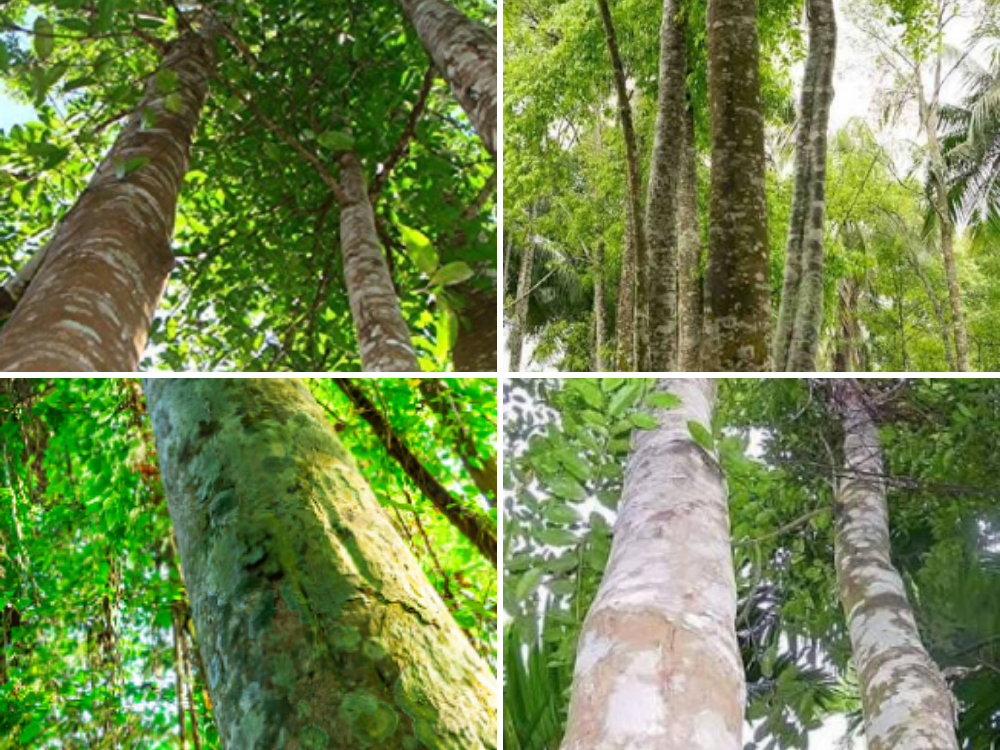
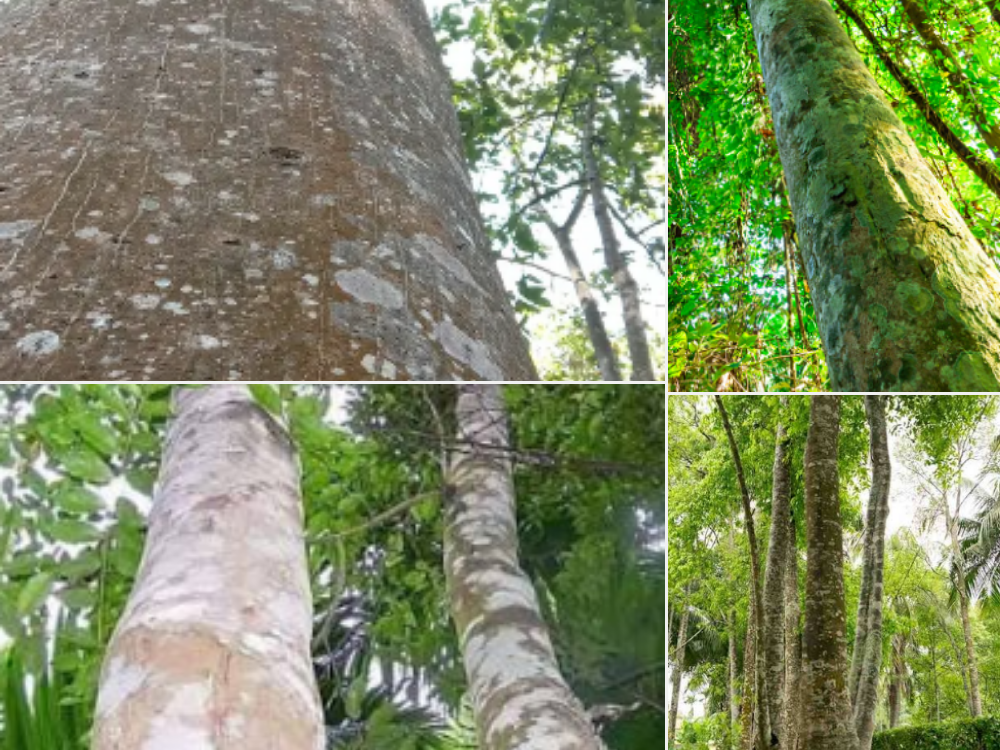
Eagle Wood, commonly known as Oud or Agarwood, is obtained from an evergreen tree that can reach a height of approximately 70–80 feet.
When the tree matures, usually at around 30–40 years of age, a dark, heavy, and aromatic resin develops within the wood. As the resin accumulates, the wood becomes increasingly dense and heavy. In traditional descriptions, highly resinous dried wood is said to be heavy enough to sink in water. This resinous wood is known as Oud (Agarwood).
Bark
The bark is thin, strong, and smooth. When the outer bark is removed and the inner bark is cleaned, it becomes remarkably tough and resembles white leather. Historically, this durable bark was used for writing books, important documents, and historical records.
The branches are soft and flexible.
Leaves
The leaves are approximately 2–3 inches long, glossy, and resemble the leaves of the Bansa (Malabar nut) plant. They remain firmly attached to the branches by their stalks.
Fruit
After the flowers fall, the fruit develops. It is approximately 1.5–2 inches long, resembles a guava in shape, and has a velvety exterior. The inside is densely hairy.
Wood
The ordinary wood is generally soft and smooth. In older trees, however, the accumulation of aromatic resin makes the wood heavy, dark or black, and irregular in shape.
Historical and Geographical Distribution
Eagle Wood has been used in India since ancient times, including during the periods associated with Charaka and Sushruta.
It grows abundantly in Assam, the Eastern Himalayas, Sylhet, the Khasi Hills, Eastern Bengal, Burma, Malaya, Zanzibar, and other regions.
Temperament
Hot and dry in the second degree.
Actions
Traditionally, Eagle Wood is described as having the following actions:
- Stomachic — strengthens the stomach
- Tonic for the vital organs
- Carminative
- Emollient
- Deobstruent
- Breath freshener
- Expectorant — helps expel phlegm
- Cleansing of cerebral secretions
Traditional Uses
Eagle Wood is traditionally used as a breath freshener. To help eliminate bad breath, the wood is finely powdered and chewed with paan (betel leaf).
It is traditionally used for gastric weakness and loss of appetite and is included in certain traditional formulations intended to support sexual vitality.
Because of its traditionally described effects on the brain, it has been used for neurological complaints such as epilepsy and headaches. As an expectorant, it has also been traditionally used for phlegmatic cough and asthma.
Jawash-e-Ood, including its sweet and sour varieties, is among the traditional compound preparations made from Eagle Wood.
The fragrant wood is also traditionally burned or used to impart a pleasant aroma to the surrounding air. Its fragrance is traditionally believed to repel mosquitoes and flies. Powdered Eagle Wood has also been used traditionally to help control household pests such as bedbugs and lice.
Dosage
approximately 1.9–3.9 grams