



Introduction
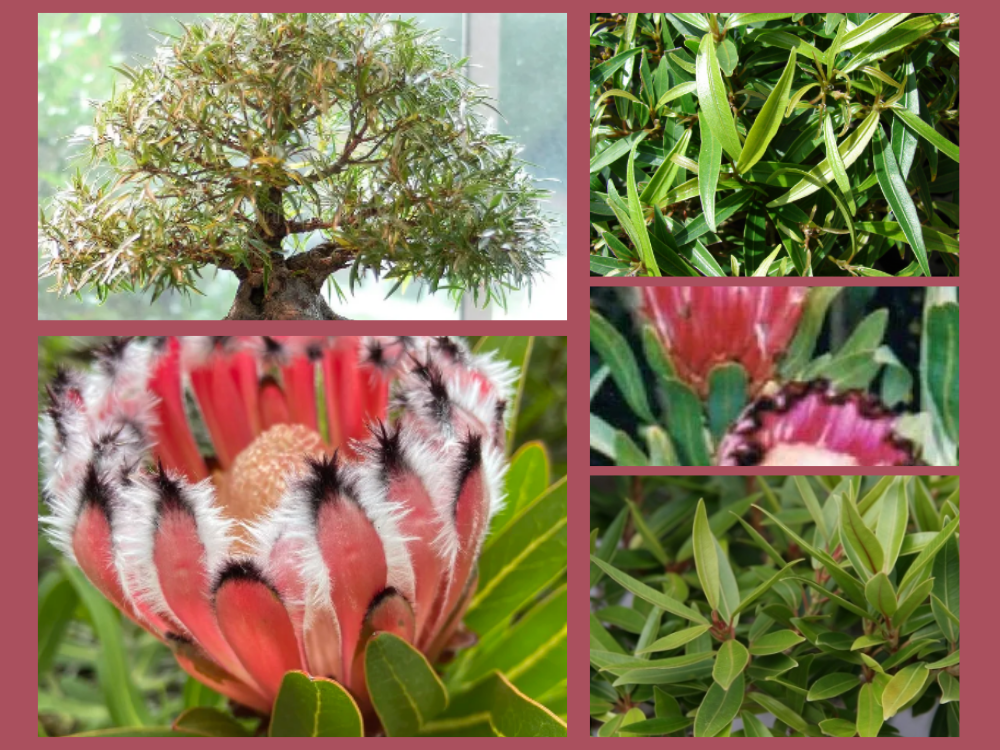
This plant typically grows to a height of one to three feet. If its leaves are planted in the ground during the rainy season, a new plant develops. Its leaves are thorny, flat, round, and thick, resembling a snake’s tail. If one of its thorns pricks the skin, the wound may take a long time to heal. The leaves are deep green in color.
The flowers are red and are traditionally used in children’s medicines.
Fruit
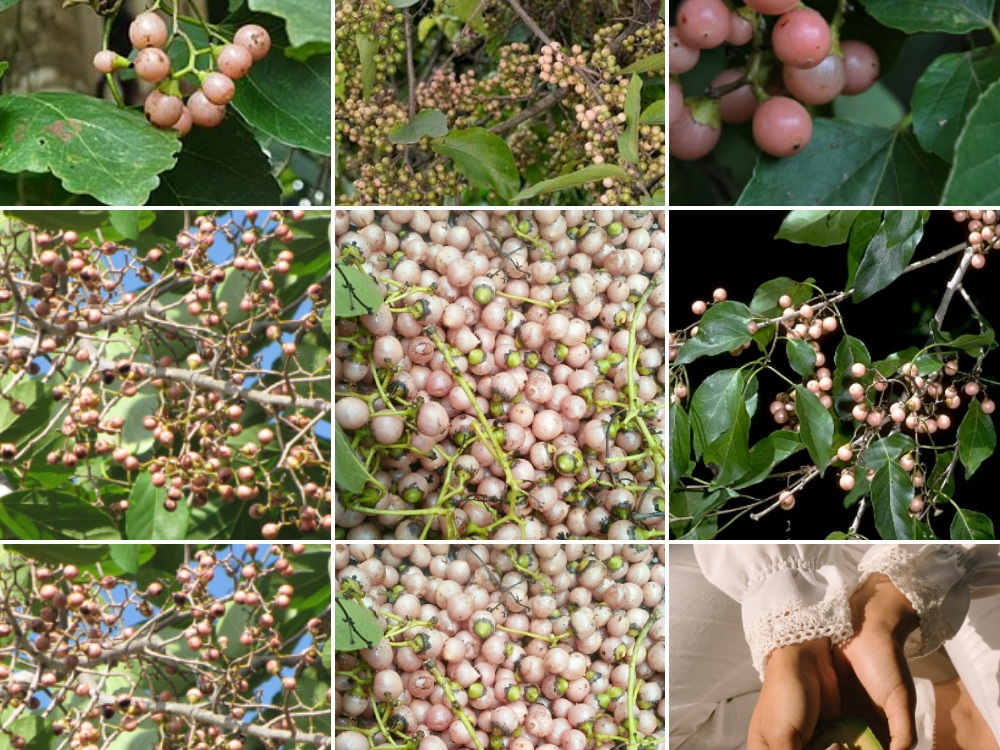
The fruit is initially green and turns red when ripe. Its juice is sweet and delicious.
The plant was originally brought from America. It is not described in old books and is usually planted along the edges of fields as a natural fence.
Chemical Composition
It contains:
- Manganese malate
- Some white salts
- Citric acid
- Wax
- Some resin
- Sugar
- Other chemical components
The fruit contains carbohydrates, which make up approximately 29% to 41% of its composition.
It also contains:
- Albuminoids: approximately 45%
- Fat: approximately 3% to 23%
Temperament
Warm and dry in the second degree.
Actions
- Digestive
- Blood purifier
- Solvent
- Expectorant
- Tonic for the stomach and intestines
Uses
For cough and asthma, the fruit is traditionally fried in a pan, and its juice is extracted and mixed with honey. It is considered especially useful for coughs in children.
A traditional preparation consists of:
- Fruit juice: 1 tola (approximately 11.66 grams)
- Sahaga biryani: 3 ratti (approximately 0.36 grams)
- Honey: 2 tolas (approximately 23.32 grams)
These ingredients are mixed together and traditionally used for cough and asthma.
A syrup made from its juice or a decoction prepared from its flowers is traditionally used for teething problems in children.
The children’s syrup produced by Gupta and Company, Tohana, based on a formulation mentioned in Kanzal-ul-Mujarbat by Hakim Sahib, is traditionally regarded as very useful.
Dosage
Fruit juice:(approximately 11.66 to 23.32 grams).
The medicinal uses and dosages above are preserved from the traditional source text and should be medically verified before use, especially in children.