




Nature
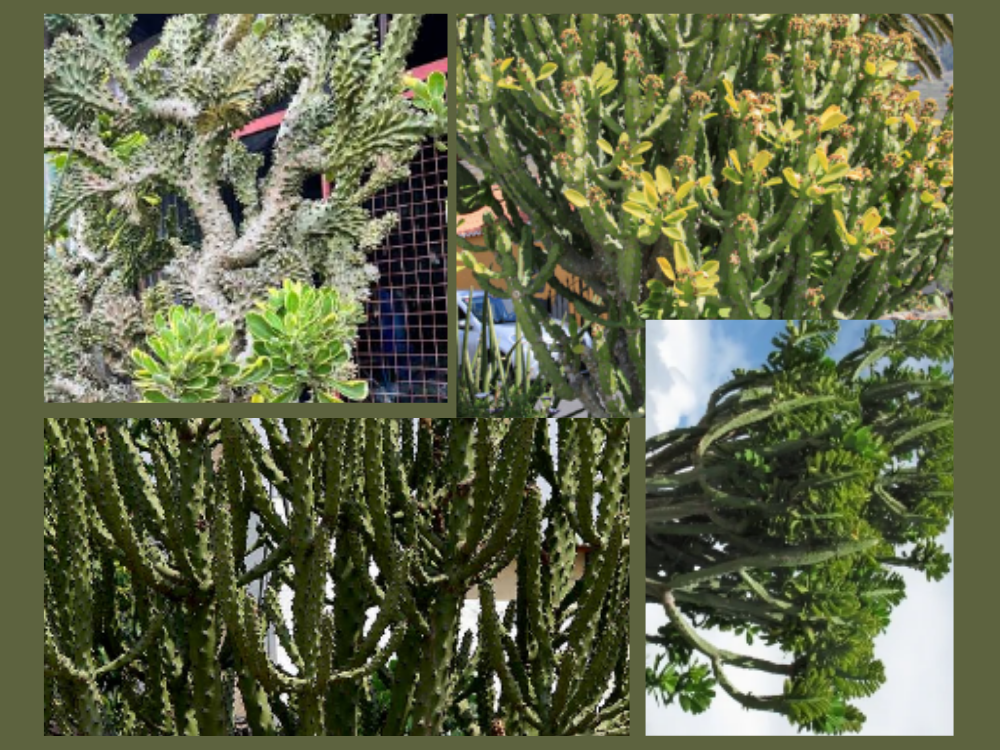
Nerifolia is a thorny plant that grows from about one foot to ten or fifteen feet in height, sometimes developing into a tree-like form. Its leaves are clustered at the ends of the branches and are rounded at the tips.
A milky substance comes out when the leaves are broken or the plant is cut. It has many varieties, including Danda Tohar, Tadhara, and Choudhara. The five-stream varieties include Anglia, Tohar, Nag, Phagini, and others.
If its stem is cut and planted in the ground, it can develop into a new plant. Its latex, water, and pulp are used medicinally.
Chemical Components
It contains:
- Eupharbon
- Resin-like substances
- Calcium
- Other components
Temperament
The plant is hot and dry in the third degree. Its milky latex is hot and dry in the fourth degree.
Actions
- Muhammar
- Mucilaginous
- Laxative
- Expectorant
- Solvent
- Stimulant
- Jali-ul-Sarrah
Uses
Due to its stimulant properties, the latex is traditionally mixed with butter and kept in the sun. The simmering butter obtained from this preparation is traditionally used to produce stimulation and excitement in the body and is also used in certain preparations involving gold-plated metals.
When massaged onto the body, it may cause redness of the skin.
The water extracted from its leaves is mixed with an equal weight of sesame oil and heated until the water evaporates. The resulting oil is traditionally used as a massage oil for women’s discharge, joint pain, gout, paralysis, and weakness.
Applying a paste made from this oil to painful areas is traditionally used for toothache. A paste made from its latex is also traditionally applied for toothache.
Its latex is mixed with milk and gram flour and made into tablets. These are traditionally used to expel phlegm and relieve conditions such as cough, asthma, joint pain, dropsy, leprosy, and syphilis through their laxative action. They are also traditionally used for flatulence, gallstones, enlargement of the spleen, jaundice, and weak digestion.
The preparation may be mixed with twenty times its quantity of cow’s milk. Butter is then extracted from the milk and made into simmering butter (ghee). Two or three spoonfuls of this simmering butter are traditionally used to help eliminate waste and strengthen the body.
After taking the tablets mentioned above, the patient is traditionally given ghee to help prevent irritation and excessive dryness in the intestines.
If warts occur on the body, continuously applying its latex is traditionally believed to cause the warts to fall off.
Two drops of its latex mixed with 12 grams (one tola) of butter are traditionally taken to induce vomiting and diarrhea and are used for asthma and cough.
Dosage
½ to 1 drop.
Special Benefits
- Strong laxative
- Helps expel phlegm
Egyptian Variety
The Egyptian variety is described as astringent.
Remedy for Its Effects
Ghee and milk.
Note:The latex described here can be highly irritating and potentially toxic. The traditional internal uses and dosage should not be treated as modern medical advice without expert verification.