



Introduction
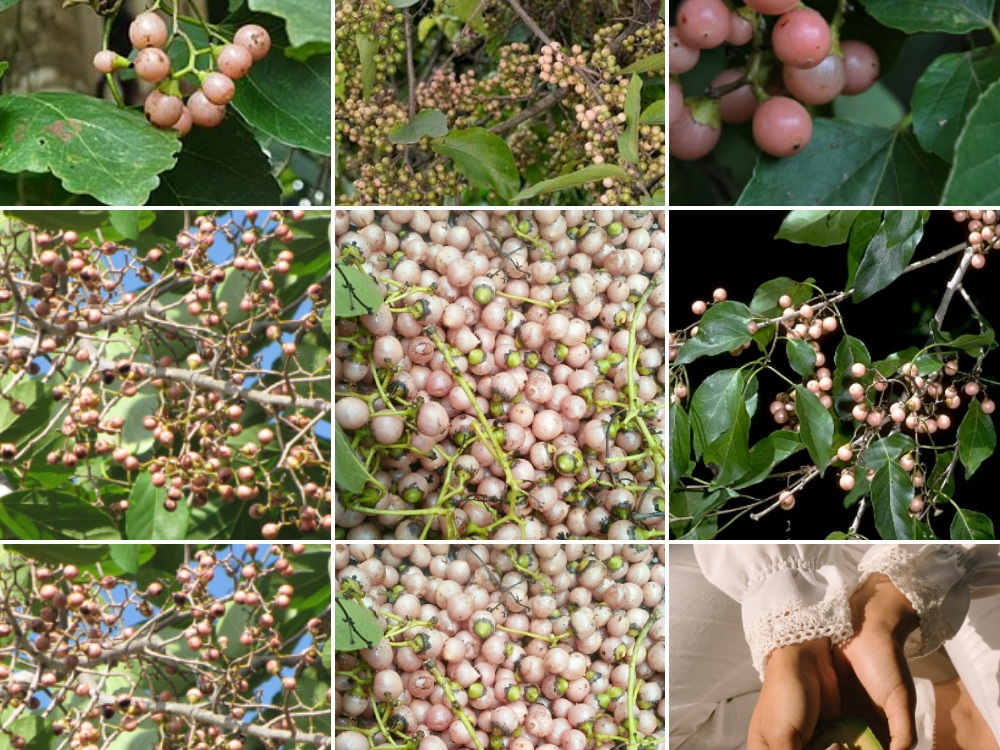
Cordia dichotoma is found in two types, small and large, according to the size of its fruit. Its tree grows to a height of about 40–45 feet. The bark is brown, while the wood is soft and suitable for use as fuel.
Leaves
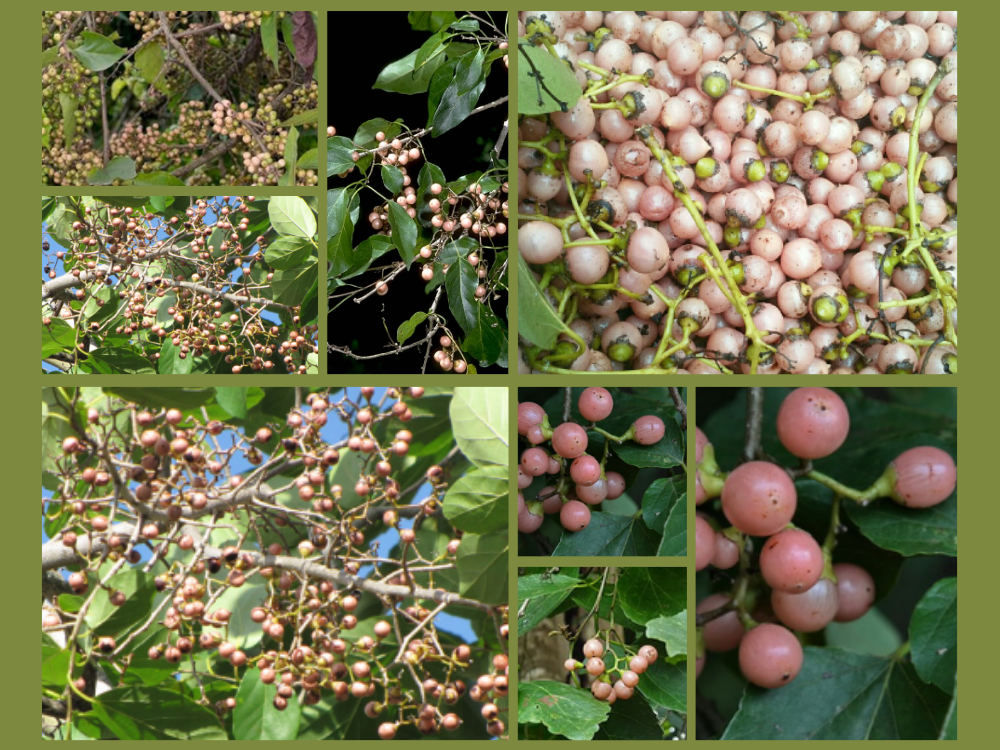
Its leaves are smaller than those of the mulberry tree. They are thick, slightly pointed, and have serrated edges. The fruits grow in clusters. They are initially green, then become yellowish, and finally turn reddish-almond in color when ripe. They have a sweet and slightly salty taste. After drying, the fruits become pointed and hard, resembling sarpastan. Each fruit contains a seed.
This plant is found almost throughout Pakistan and India. Its flowers grow in white clusters. Oil is also extracted from its kernels and applied to the head. The flowers appear in Chet and the fruits in Jeth.
Chemical Constituents
The bark contains cinchonine. The ripe fruit contains glucose, gum, and a type of ash.
Temperament
It is considered moderate in summer and winter and is described as being of the first degree in freshness.
Uses
Like other fruits, its ripe fruits are eaten, especially by children. Its mucilaginous juice is also used as a natural adhesive for binding books and other materials.
It is used as a decoction or poultice for dry cough, colds, sore throat, and similar complaints. It is also used to relieve inflammation and thirst associated with bilious fevers.
The mucilaginous substance obtained from the fruit is considered useful in preparations for intestinal ulcers and dysentery. The ash of its leaves, when mixed with butter and applied to wounds, is traditionally believed to provide quick relief.
Its leaves can also be converted into charcoal, made into a paste, and applied inside the mouth for oral thrush.
Preparations
Many traditional medicinal preparations are made from it, including:
- Laooq-e-Spastan
- Laooq-e-Spastan-Kheyar-Shanbari
- Majoon-e-Spastan
- Sherbet-e-Sadr
- Sherbet-e-Arzani
- Sherbet-e-Ijaz
- Sherbet-e-Astu-Khud-Doos
- Sherbet-e-Masahel
Special Benefits
It is traditionally considered useful for cough and dysentery and beneficial for colds.
Substitute
Khatmi
Dosage
15–90 grains