



Introduction
Saqmanya is obtained by two methods.
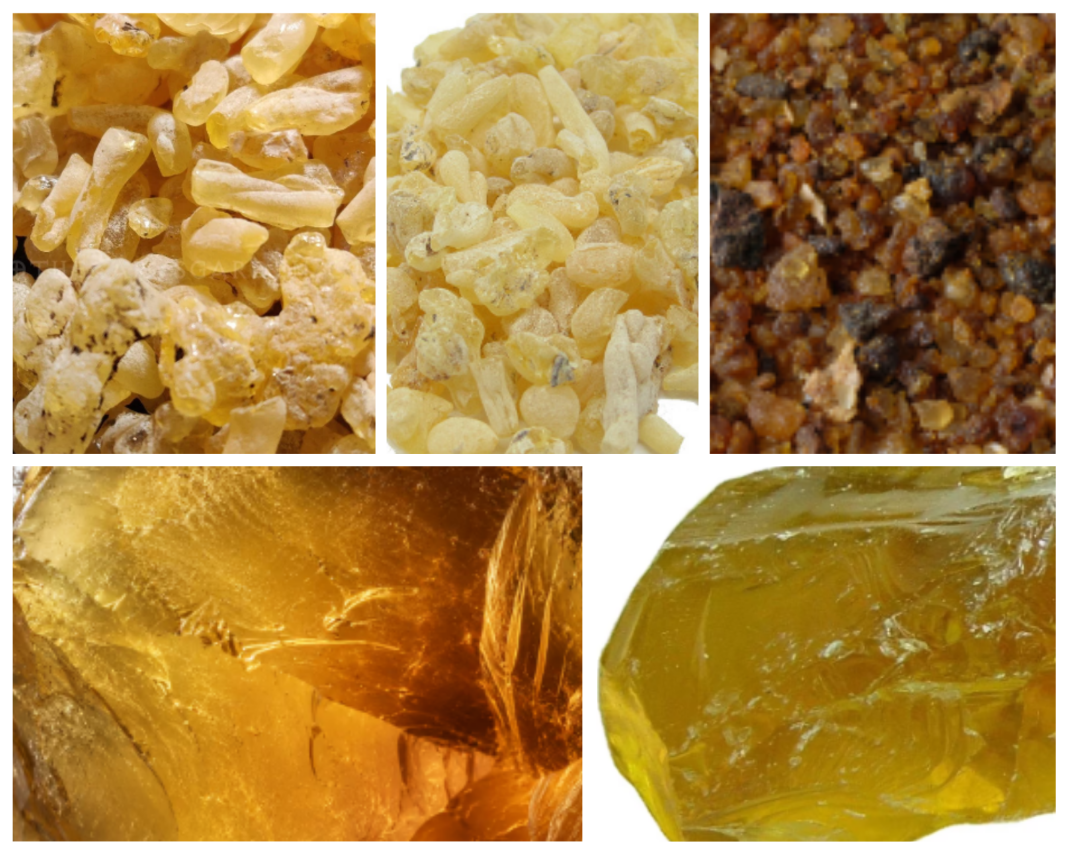
In the first method, the fresh root of the Saqmanya plant is cut or cracked, and the juice is collected and allowed to coagulate. The resulting resinous substance is called Saqmanya.
In the second method, the root of the Saqmanya plant is prepared as a tincture using 90% alcohol. Water is then added, the pulp is allowed to settle, and the resulting material is dried.
Plant Description
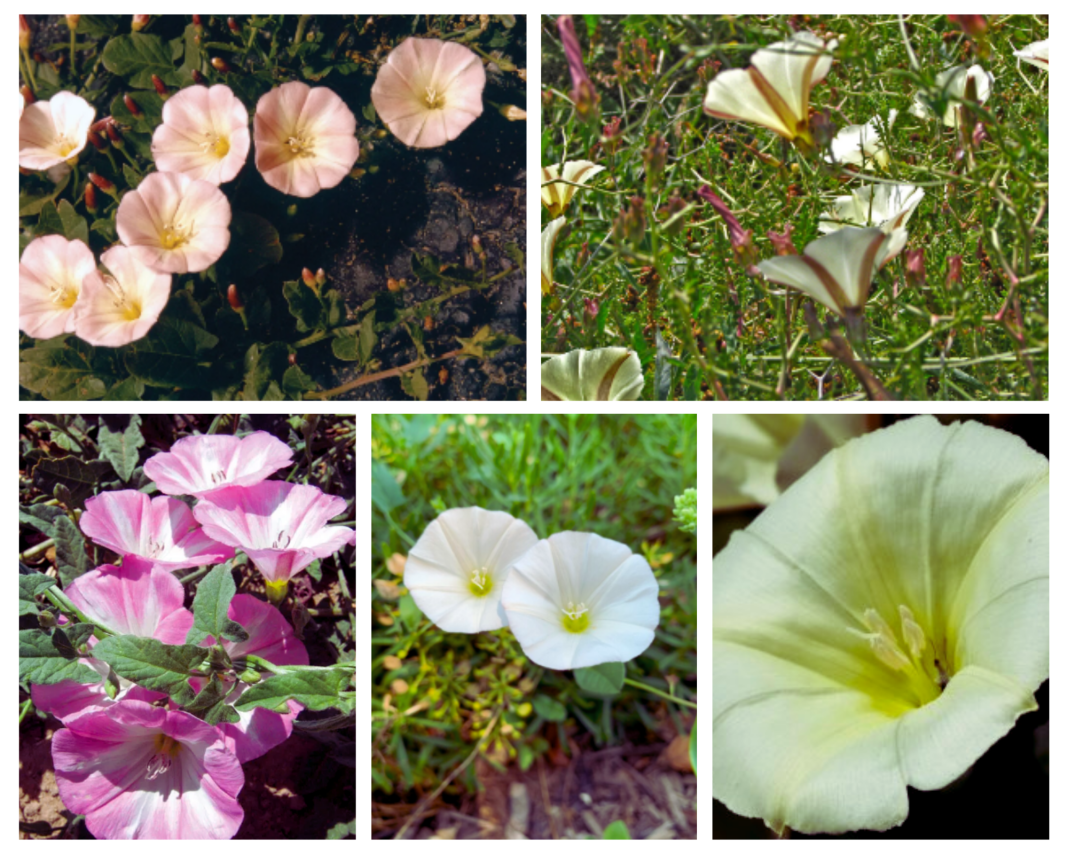
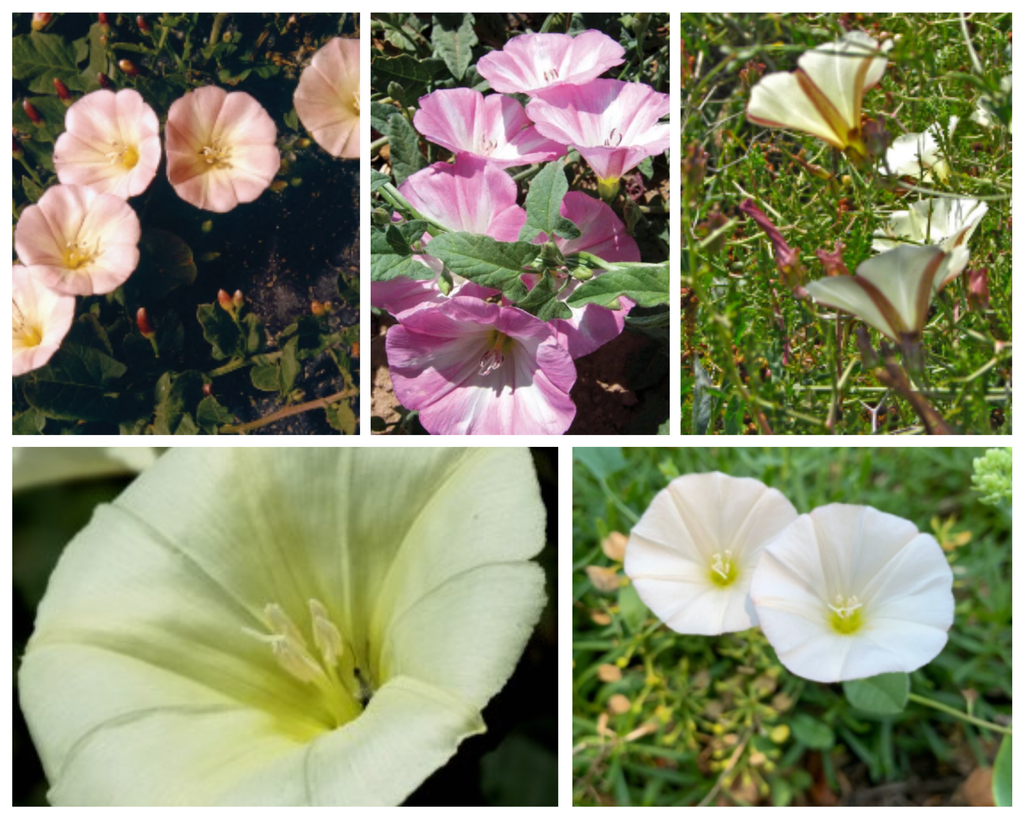
The Saqmanya plant is a woody plant found in the Thivad region of Gujarat and in Kochak, Syria, and Asia.
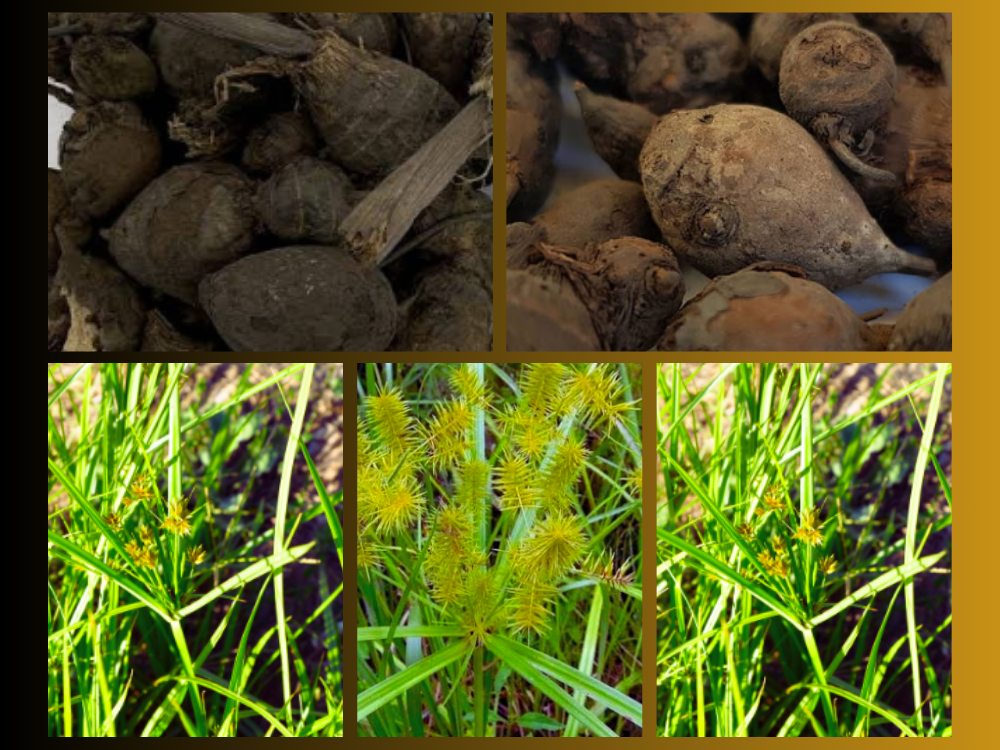
Its root is about 1–3 inches long and round. The upper end is somewhat shorter and has thin branches. The roots are generally crooked or bent. Straight portions become wrinkled and resemble earrings.
The outer part is brownish, while the inside is khaki-colored. The texture is fibrous and brownish. When freshly broken, the root is shiny, has a characteristic odor, and breaks easily.
Chemical Constituents
The root contains about 7% resin and scamonin, a glycoside. The root is traditionally used as a laxative.
Temperament
Hot and dry, third degree.
Actions
External: Astringent.
Internal: Strong laxative. It is traditionally described as useful for expelling intestinal worms and as a tonic for the stomach and liver.
Uses
It is traditionally used externally for skin blemishes, ringworm, and leprosy, although this use is described as uncommon. It is also used for joint pain and may be applied as a poultice for sciatica.
Because of its laxative action, it is traditionally combined with turmeric to help expel intestinal worms. It may also be used with rose hips to reduce its irritating effect and strengthen the stomach.
Saqmanya can irritate the stomach and may cause nausea and discomfort. Therefore, according to traditional practice, it should be used only after appropriate correction of the preparation.
Method of Roasting Saqmanya
Take an apple or pear and remove the pulp from one side. Fill the hollow portion with Saqmanya and replace the pulp over it. Coat the fruit with clay or flour and place it in an oven.
When the coating becomes red, remove the fruit from the oven. Remove the clay or flour and use the prepared Saqmanya.
The traditional text notes that people with a sensitive temperament may experience illness or nausea after eating the apple or pear in which Saqmanya has been prepared.
Special Benefits
Traditionally considered useful for jaundice. It may also cause nausea because of its strong laxative and irritant action.
Corrective
Rose or roasted Saqmanya.
Substitute: Aloe vera.
Preparations
It is mentioned as an ingredient in preparations such as:
- Atrifal Zamani
- Million Tablet
- Million Jawarish Safar Jali
- Jawarish Shahriyaran
- Jawarish Oud Million