



Introduction
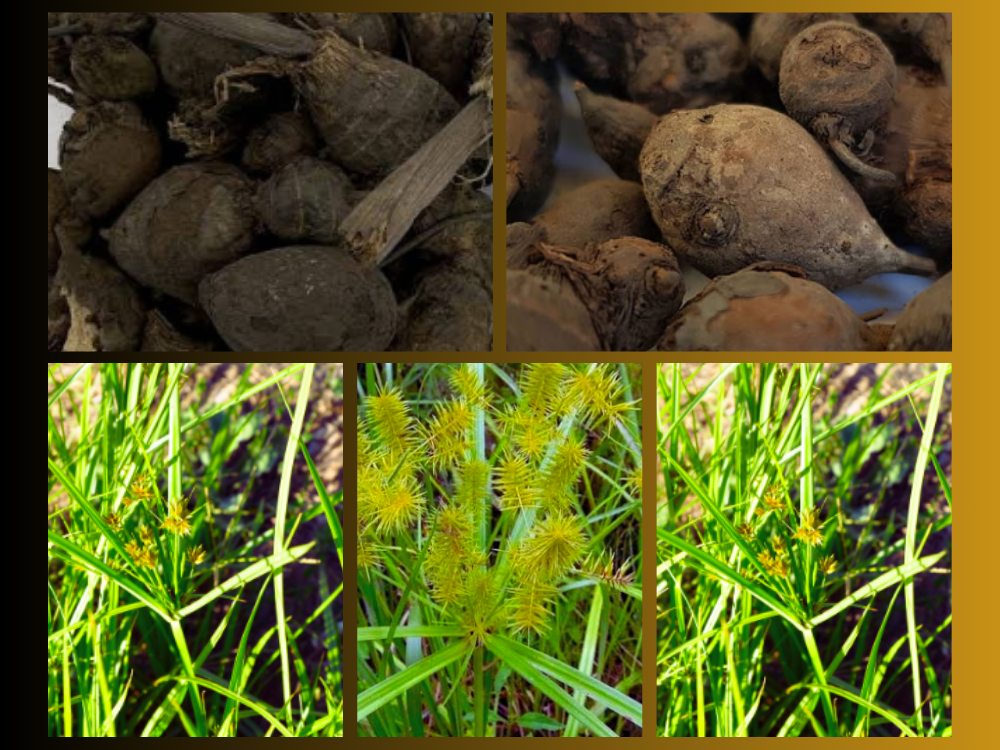
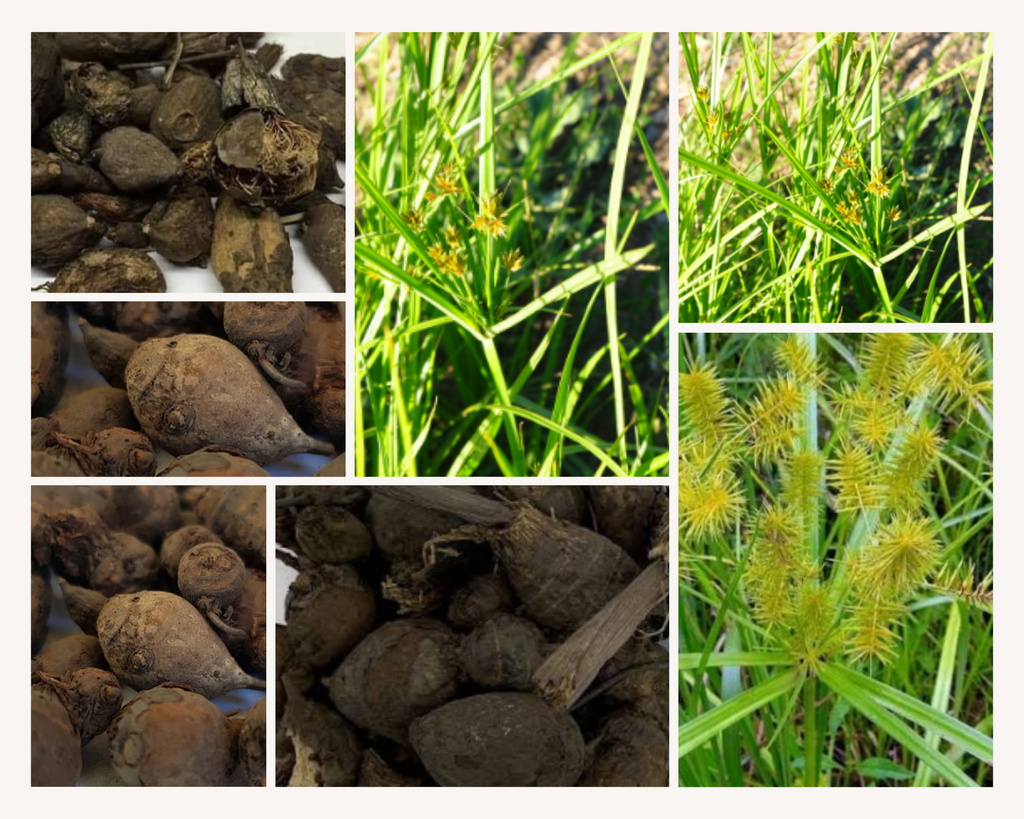
The leaves of this plant arise from the root and resemble grass. They are similar to reed grass or sedge grass but are broader, measuring about 9 inches to 2 feet in length.
Its root is knot-like, round, black, and hairy on the outside, while the inside is white. It is known as Ghiyan. Children enjoy eating it, although the root is somewhat difficult to chew and has a pleasant fragrance.
Each plant produces about 10–12 leaves, which emerge from the base in a manner similar to the leaves of an onion. It grows abundantly in fields, gardens, and moist soils of Punjab and Pakistan. It is also particularly common in Uttar Pradesh and Bengal.
The upper part of the root becomes black when mature. During the rainy season, the leaves fall, and cattle feed on them readily. In Europe, a valuable fragrance resembling the scent of roses is obtained from its root.
Chemical Constituents
It contains:
- Fragrant oil
- Sugar
- Fat
- Carbohydrates
- Albuminous matter
- Ash
- Salts
Temperament
Hot and dry, second degree.
Actions
It is traditionally considered a tonic for the:
- Nerves
- Heart
- Brain
- Stomach
- Head and gastric region
It also promotes sweating, helps relieve menstrual cramps, and acts as an opener of the urinary passages.
Uses
It is generally used traditionally for nervous disorders, mental weakness, and other mental complaints.
Because it is considered beneficial for menstruation, it is included in traditional preparations for menstrual disorders and urinary complaints.
A poultice made from it is traditionally applied in cases of scorpion venom, and its administration is also mentioned for this purpose.
It is traditionally used to relieve pain, nausea, and unpleasant odors from the nose. It is also considered useful in chronic fevers and diarrhea.
Special Benefits
Traditionally considered beneficial for urinary incontinence and menstrual disorders.
Dosage
1–3 times daily