



Introduction
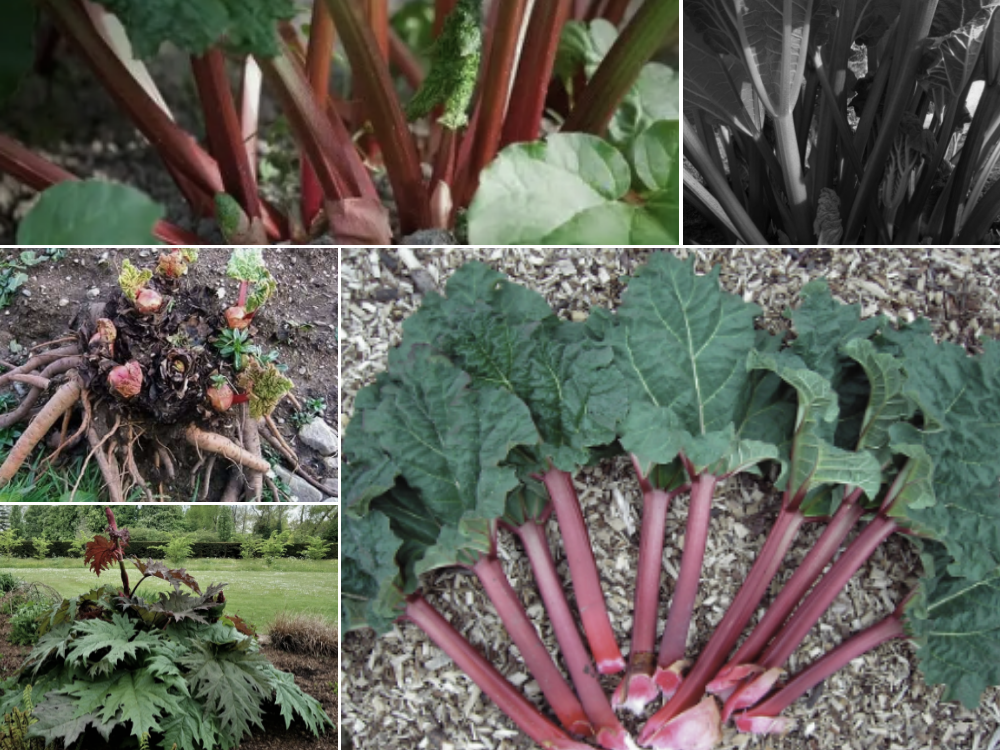
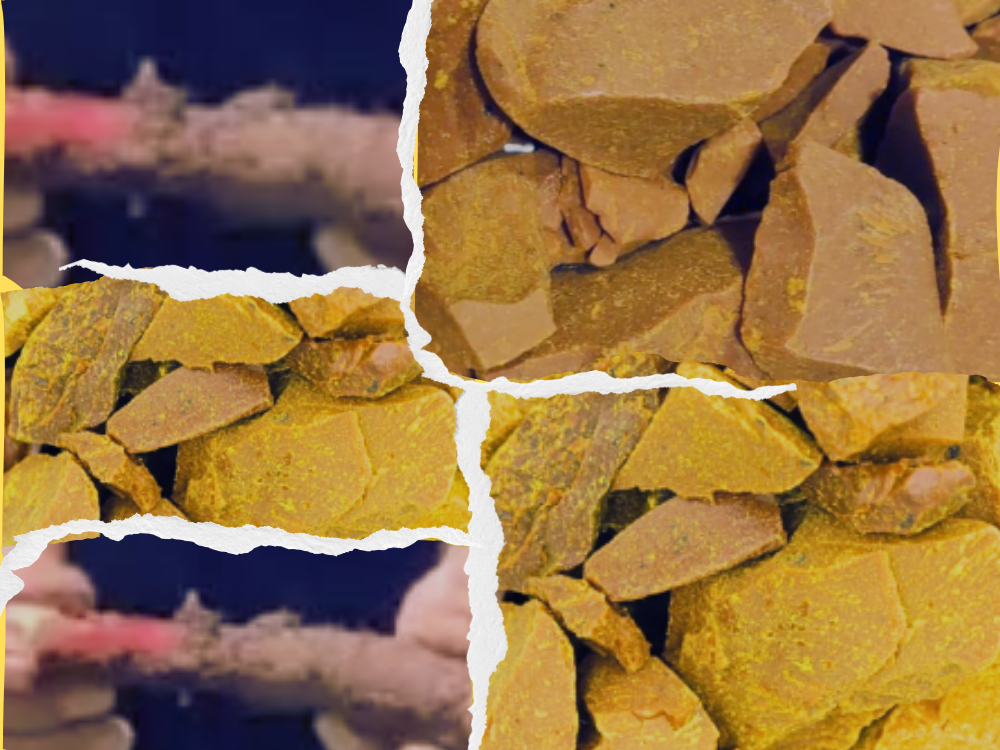
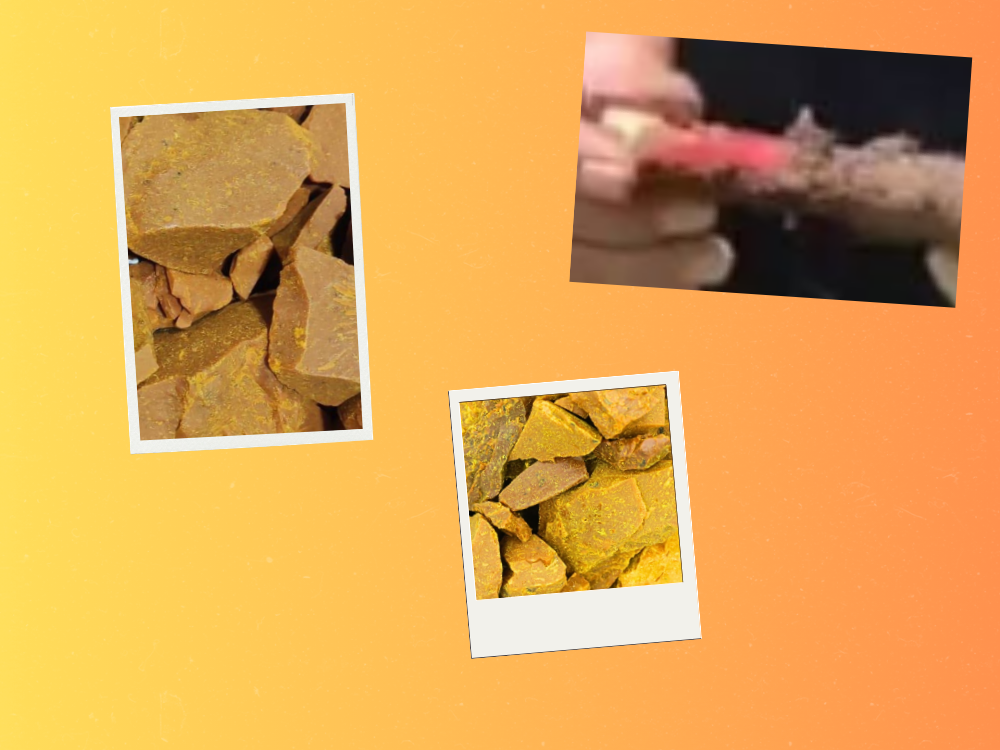
Asara-e-Raiwand is described in traditional Unani literature as a medicinal resin or extract associated with the Raiwand (rhubarb) plant. Historically, it has sometimes been identified as the resinous substance obtained by making incisions in the trunk or woody portion of the plant.
Its colour and medicinal properties are considered similar to those of rhubarb extract, which is why it has traditionally been referred to as Rhubarb Extract. However, historical descriptions differ regarding its exact botanical origin.
Note on Identity
Some traditional sources describe Asara-e-Raiwand as a resin obtained by cutting or incising the woody portion of a tree or plant, while later interpretations have identified it as an extract derived directly from rhubarb wood. Therefore, the identity of the substance may vary between historical sources, and botanical authentication is important when discussing the crude drug.
Temperament
According to traditional Unani medicine, Asara-e-Raiwand has a temperament that is:
Hot and dry in the second degree.
Traditional Actions
Asara-e-Raiwand is traditionally described as having the following actions:
- Laxative — promotes bowel evacuation.
- Mucolytic — traditionally believed to help clear mucus and phlegm.
- Mild diuretic — promotes the flow of urine.
- Anthelmintic — traditionally used to help expel intestinal worms.
- Purgative — promotes the elimination of unwanted or excessive substances from the body.
Traditional Uses
Asara-e-Raiwand has traditionally been used as a strong evacuative medicine. It is described as helping to eliminate accumulated or foul bodily matter through stool, vomiting, and urine, with the traditional belief that it does not remain in the stomach for an extended period.
It has traditionally been recommended for a range of conditions associated with a cold temperament, particularly certain mental, nervous, and digestive complaints.
Traditional uses include:
- Paralysis
- Constipation
- Convulsive disorders
- Epilepsy
- Dysentery
- Digestive complaints
- Intestinal worms
It has also traditionally been used to help kill and expel intestinal worms.
Effect on the Intestines
In appropriate traditional doses, Asara-e-Raiwand is considered useful as an evacuative and laxative medicine. However, excessive quantities may irritate the intestines and produce unwanted gastrointestinal effects.
For this reason, traditional sources emphasize careful dosing.
Special Traditional Benefit
Its special traditional benefit is described as helping to prevent the accumulation of foul intestinal matter and phlegm through its laxative and evacuative action.
Traditional Cautions
Traditional sources advise caution or avoidance in:
- Pregnant women
- Individuals with a naturally hot temperament
- People who may be particularly sensitive to strong laxative or purgative medicines
Large quantities may cause intestinal irritation.
Traditional Corrective
Katira (Tragacanth gum) is traditionally mentioned as a corrective or accompanying substance for Asara-e-Raiwand.
Traditional Dosage
The traditional dosage is given as:
½–1 ratti (approximately 60–120 mg).
Because historical weights and preparations vary, this dosage should be regarded as a historical traditional-medicine reference rather than a modern medical dosing recommendation.
Traditional Compound Preparations
Asara-e-Raiwand has been mentioned as an ingredient in various traditional compound preparations, including formulations referred to in the source as:
- Fever preparations
- Medica Pharma formulations
- Fever Shebarba
- Special compound recipes
- Fever Extract
- Other traditional formulations
The exact composition and indications of these preparations may vary between traditional formularies and manufacturers.