



Introduction
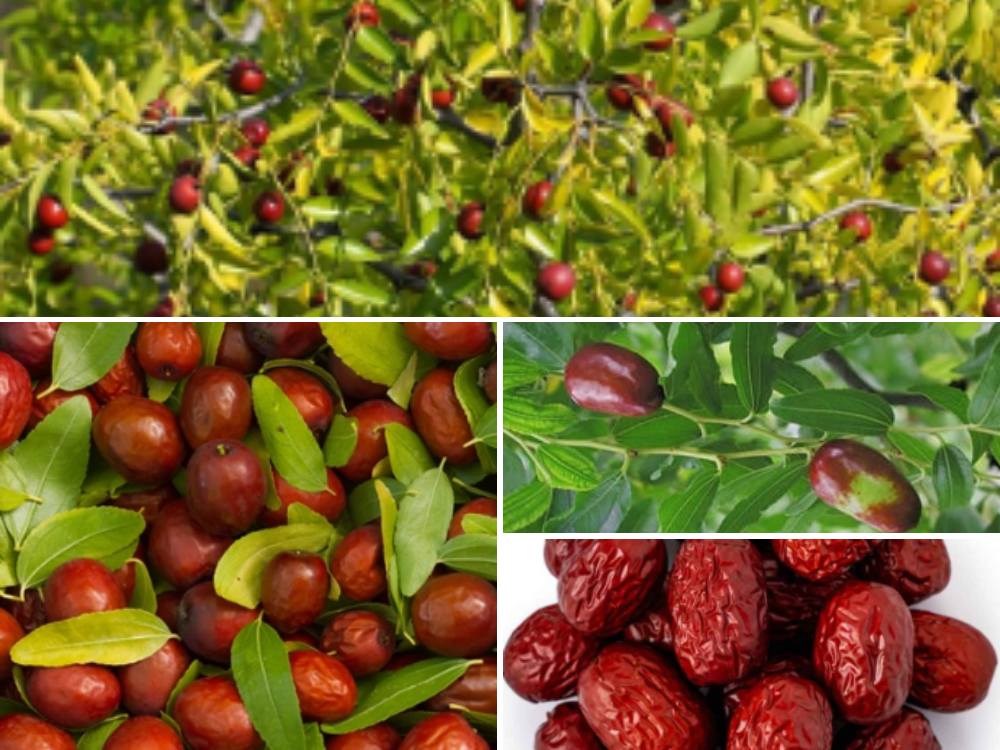
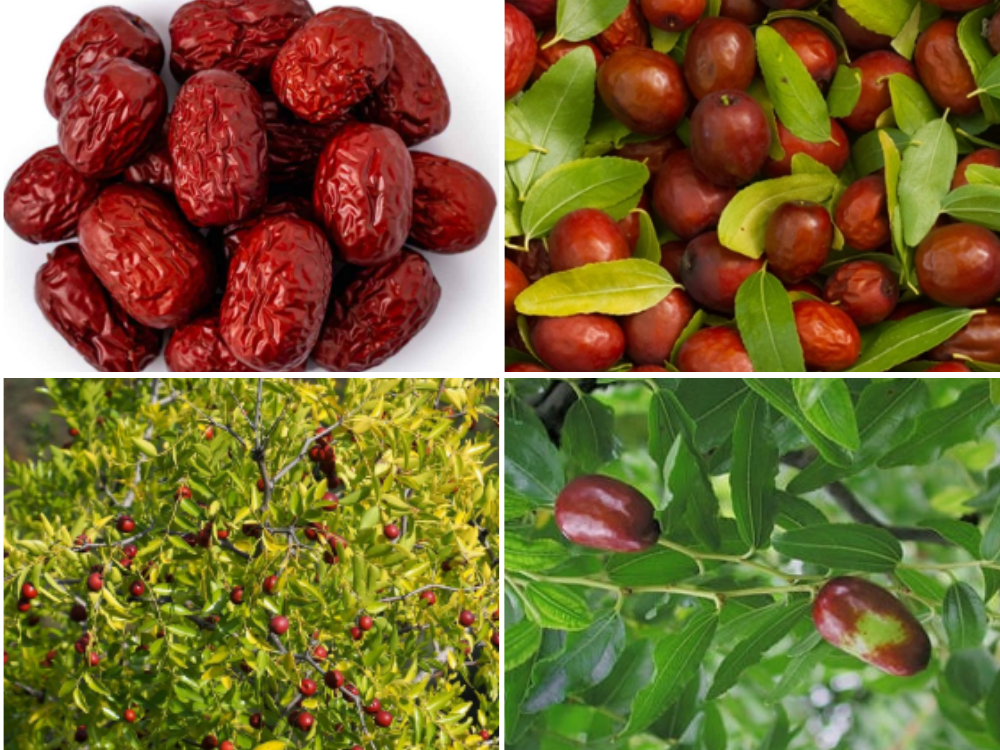
Zizyphus vulgaris is a thorny shrub belonging to the Ber (Jujube) family. Its leaves and fruits resemble those of the common Ber, although its leaves are somewhat larger and more elongated or spear-shaped. The underside of the leaves is covered with a soft, velvety down.
The flowers and fruits are similar to those of the Ber and retain a similar appearance even after drying.
High-quality Unnab (Jujube) is deep red, fleshy, and sweet in taste.
The plant grows in the Himalayan foothills, particularly in Kashmir, Shimla, Eastern Bengal, and the Deccan. It is also found in Afghanistan and Iran.
Chemical Constituents
The fruit contains mucilage and sugars. The bark and leaves contain sugars and tannins. The wood contains an alkaline substance traditionally identified as zizyphic acid, along with sugar.
Temperament
The Unnab is temperate in terms of heat and cold, but it tends to be more moist.
Actions
Traditionally, Unnab is described as having the following actions:
- Munzij—concoctive or maturative for viscous humors
- Mulayyin—laxative for the bowels and chest
- Munaffis-e-Balgham—expectorant; helps expel phlegm
- Musaffi-e-Khoon—blood purifier
- Sedative for excessive heat of the blood and bile
- Mubarrid—refrigerant or cooling agent
Traditional Uses
Because of its traditionally described ability to concoct viscous humors, Unnab is used in traditional medicine for conditions associated with such humors.
As a refrigerant, expectorant, and laxative, it is traditionally considered beneficial for roughness of the throat, hot catarrh, cough, chest discomfort, and thirst.
Because of its cooling properties, it is traditionally used to reduce excessive heat in the blood and bile and to relieve thirst associated with that heat. It is also used traditionally in bilious fevers.
As a blood purifier, laxative, and concoctive agent, Unnab has traditionally been administered for various blood disorders, syphilis, itching, and skin eruptions, including boils and pimples. It may also be incorporated into traditional formulations alongside other medicines described as blood purifiers.
An infusion of the herb is traditionally administered in cases of bilious fevers, smallpox, and measles.
Specific Benefits
- Blood purifier
- Expectorant
Dosage
The traditional dosage is 5–7 seeds.
For dry coughs, Unnab is traditionally used in combination with Sapistan (Cordia myxa).