



Introduction
Pyrethrum Radix is not mentioned in ancient Ayurvedic texts such as Sushruta or Charaka. Two varieties are traditionally described as Syrian and African, named according to their countries of origin.
Two varieties are also found in India:
- Bhoji Dana or Meetha Chhota Akarkara (Spilanthes acmella)
- Bada Akarkara or Yokarmon (Spilanthes oleracea)
Description
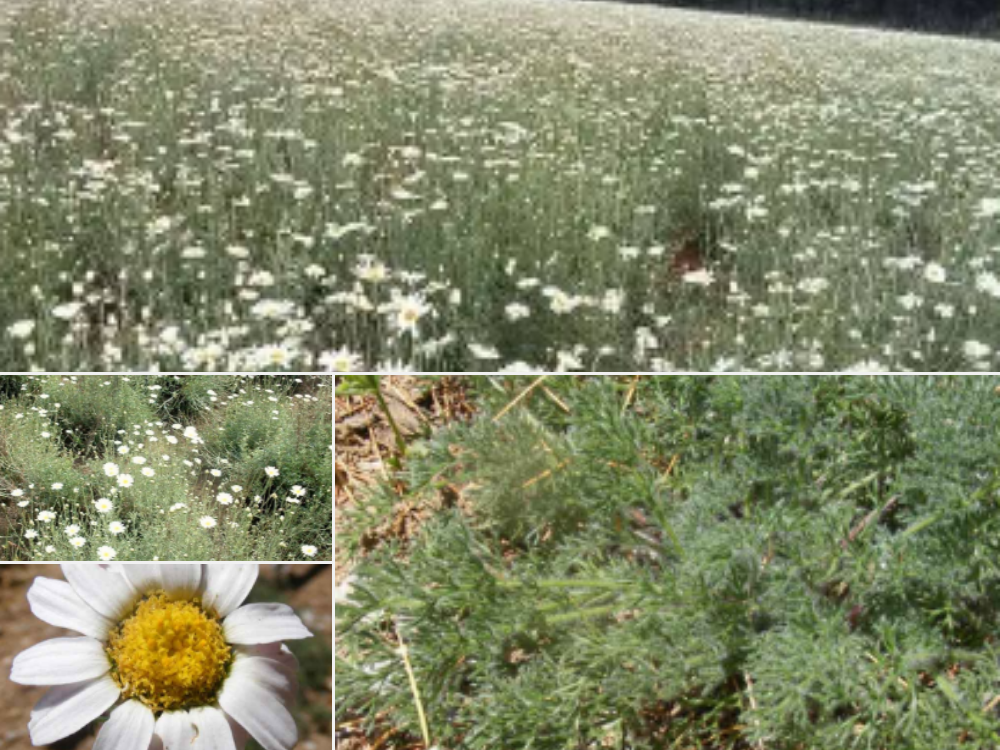
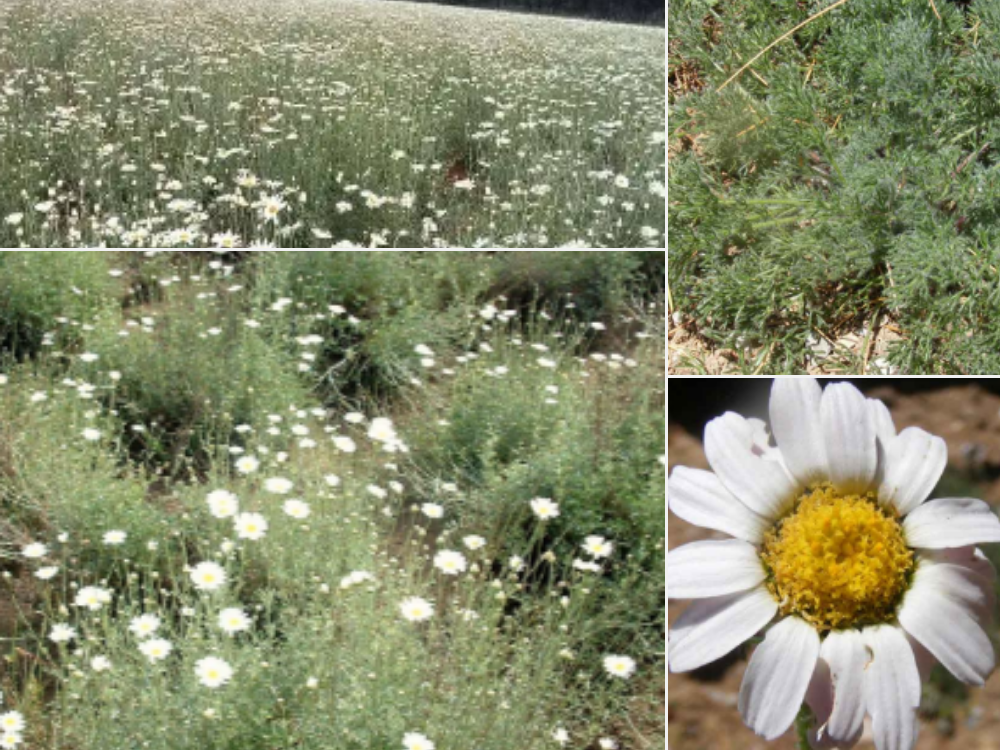
Akarkara is a small plant that emerges at the beginning of the monsoon season. Its leaves, branches, and flowers resemble those of chamomile (Babuna), although its stalks have a yellowish appearance.
The stem and branches are covered with fine hairs, while the root has a distinctive fragrance.
The root is approximately 2–4 inches long and ½–¾ inch thick and is the part used medicinally.
Flowers
The flowers are yellowish-white in color.
The root is traditionally said to retain its potency for up to seven years. Genuine Akarkara appears white inside when broken.
When consumed, it produces a characteristic tingling or prickling sensation in the mouth and on the tongue. It stimulates salivation, causing saliva to flow freely. After a short period, the mouth is traditionally described as feeling cool and clean.
Chemical Constituents
Traditionally reported constituents include:
- Pyrethrin—described in the source as the principal active constituent
- Resin
- Inulin—Inulin, a white, starch-like substance
- Volatile and non-volatile oils—both described as yellow in color
Actions
Traditionally, Akarkara is described as having the following actions:
- Sialagogue—promotes salivation
- Mild anesthetic
- Cleansing of cerebral mucus or waste
- Expectorant—helps clear phlegm
- Aphrodisiac
- Warming agent for the bodily humors
Traditional Uses
Because of its traditionally described cleansing effect on cerebral mucus and its warming properties, Akarkara is used in traditional medicine for phlegmatic and neurological disorders, including paralysis.
It is traditionally considered beneficial for facial paralysis, tremors, lockjaw, muscular weakness or paresis, and epilepsy.
Because of its tonic, mildly anesthetic, and sialogogue properties, it has traditionally been used as a tooth powder and gargle for toothache, relaxation or weakness of the uvula, and tonsillitis.
Due to its phlegm-clearing and mildly anesthetic properties, Akarkara is traditionally taken with honey for phlegmatic coughs.
Because of its warming and cleansing properties, the powdered root may traditionally be rubbed onto the tongue and throat with honey for complaints such as paralysis of the tongue, stuttering, and hoarseness attributed to phlegm.
When the hands and feet become cold, traditional practice describes rubbing a powder or oil preparation of Akarkara onto the affected limbs.
Specific Benefit
Traditionally described as clearing cerebral mucus and eliminating phlegm.
Dosage
The traditional dosage is approximately 0.97 grams.