



Introduction
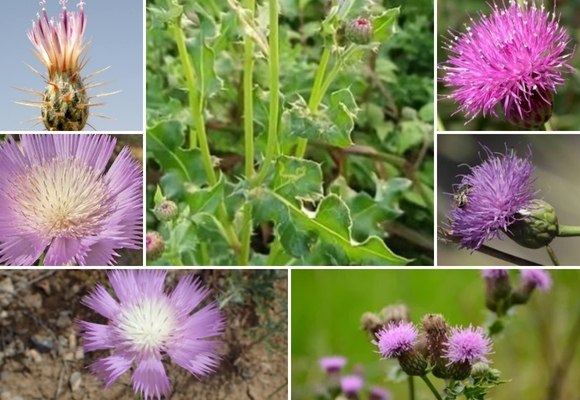
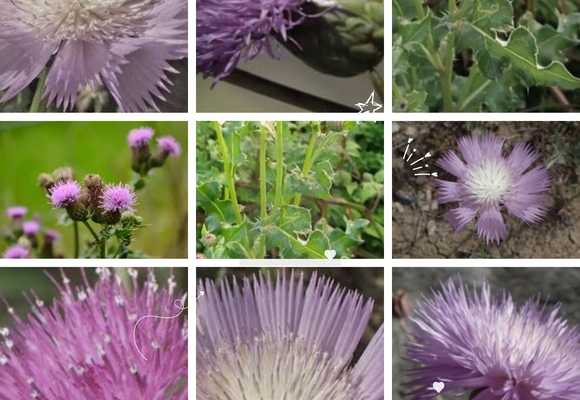
It is a thorny plant with thick, triangular, and hairy leaves that terminate in a sharp, thorn-like tip. The stem is three-sided, and the flowers are yellowish-violet.
Temperament
Hot and dry, second degree.
Actions
Volutarella divaricata is traditionally described as having the following actions:
- Resolvent
- Astringent
- Desiccative
- Febrifuge
- Tonic for the liver and stomach
- Sedative
- Styptic
- Blood purifier
Medicinal Uses
Menorrhagia, Diarrhea, and Hemorrhage
Due to its resolvent, astringent, and desiccative properties, a decoction of its root is traditionally considered beneficial for menorrhagia (excessive menstrual bleeding), chronic diarrhea, and hemorrhages.
Mouth, Gums, and Toothache
Gargling with its decoction is used for uvula and gum inflammation and toothache due to its sedative and anti-inflammatory effects.
Paralysis, Tremors, and Backache
Its sedative properties have traditionally made it useful in cases of paralysis, tremors, and backache.
Skin Diseases
As a traditional detergent and blood purifier, it is considered beneficial for leprosy and other skin diseases, whether taken internally or applied externally as a poultice.
Chronic Fevers and Liver Disorders
It is traditionally used for chronic fevers because of its tonic effects on the stomach and liver.
Anal Inflammation
Its resolvent and sedative properties make it traditionally useful in sitz baths for cases of anal inflammation.
Specific Benefit
Chronic fevers and liver disorders.
Substitute
Baad-a-Ward (Centaurea behen).
Dosage
Approximately 5–7 grams.