



Introduction
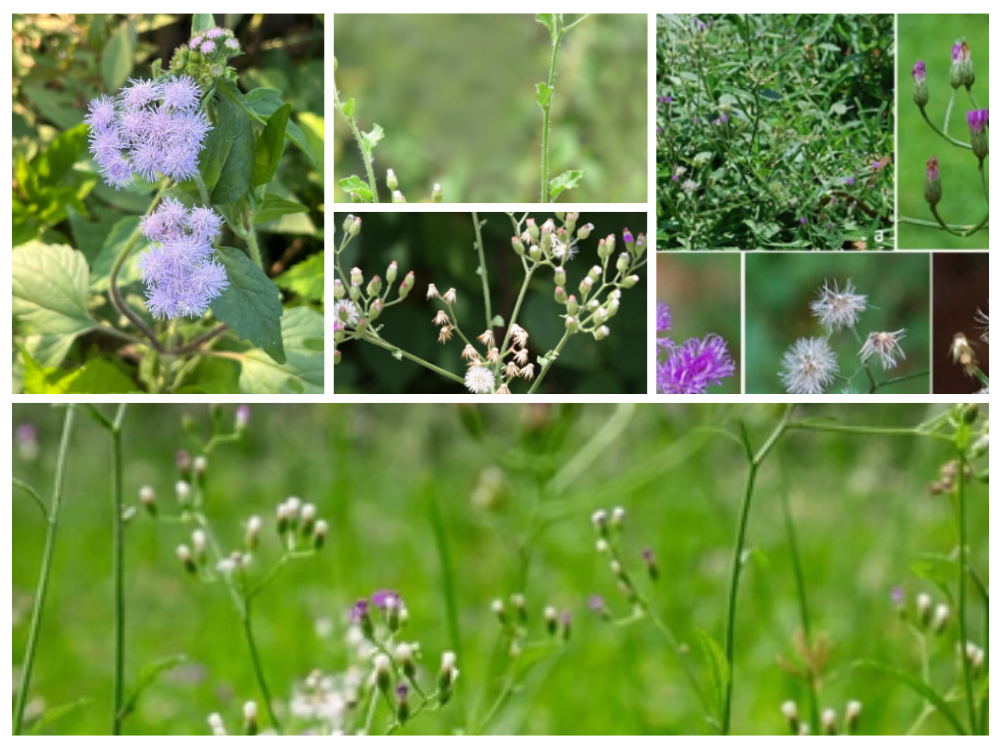
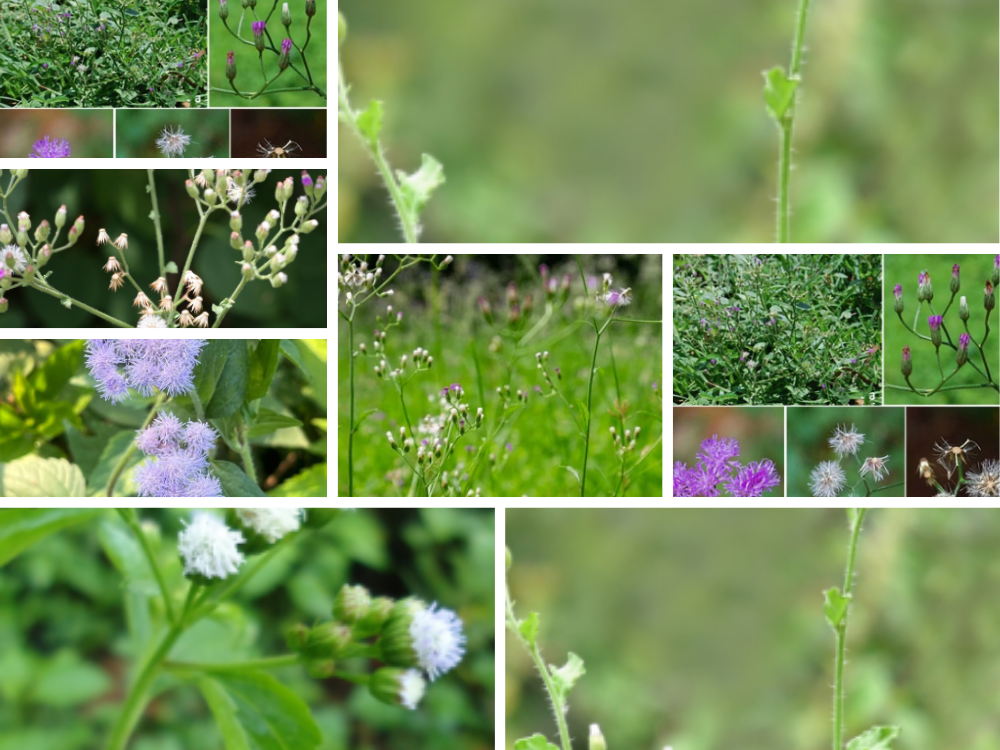
Vernonia cineria is a small herbaceous plant that generally grows to a height of approximately 1–3 feet (30–91 cm). Its stems and branches are covered with fine hairs.
The leaves are relatively large and pinnate, appearing in pairs along the branches. They resemble the leaves of Tulsi (Holy Basil). Clusters of approximately 25–30 flowers develop together, ranging in color from white to reddish-blue.
The seeds are small and fine, resembling black cumin seeds. The plant commonly grows wild during the monsoon season in fields of sorghum, maize, pearl millet, and sugarcane, as well as around ruins and abandoned areas.
The root is aromatic, while the plant generally withers during the winter season.
Temperament
Cold and dry.
Traditional Actions
Traditionally, Vernonia cineria is described as having the following properties:
- Sedative and heat-reducing
- Lithontriptic (traditionally used for dissolving urinary or bladder stones)
- Diuretic
- Blood-purifying
- Body tonic
- Styptic (bleeding-stopping)
- Diaphoretic (promotes sweating)
- Beneficial for hoarseness
- Antidotal or antitoxic
Traditional Uses
Fevers and Excessive Heat
Because of its traditionally described heat-reducing properties, the plant is used as a cooling agent for bilious and sanguineous fevers, as well as for conditions associated with excessive heat in the blood or bile.
Its diaphoretic action is traditionally believed to promote sweating and help break bilious or sanguineous fevers.
Urinary Disorders
As a diuretic, it is traditionally used for gonorrhea, urinary obstruction, strangury (painful or difficult urination with frequent dribbling), and burning during urination.
It is also traditionally regarded as beneficial for kidney and urinary stones.
Hemoptysis
Because of its traditionally described blood-purifying, styptic, and heat-reducing properties, its extract mixed with rock candy (misri) is traditionally administered for hemoptysis (coughing up blood).
Cough and Hoarseness
The plant is traditionally used for both dry and productive coughs because of its soothing properties. It is also traditionally used to relieve hoarseness and restore the voice when it has become weak or lost.
Hemorrhoids
The herb is traditionally regarded as beneficial for hemorrhoids.
Eye Complaints
The juice of its flowers is traditionally used for various eye ailments.
Traditional Medical Observations
Dr. Desai noted that the plant possesses properties similar to Fumaria (Shahtara). It is traditionally described as promoting sweating, reducing fever, and relieving pain.
According to traditional medical opinion, in cases of malaria where quinine is ineffective, administering Sahdevi juice together with a mild dose of quinine was reported to provide significant benefit.
Chemical Composition
Sahdevi juice contains chlorophyll and is traditionally reported to promote the rapid healing of boils and pustules.
The plant is also traditionally regarded as a blood purifier and has been used for kidney stones. Dr. Ansari, a former professor at Tibbia College, Delhi, reportedly used it for this purpose.
Antitoxic Properties
Because of its traditionally described antitoxic properties, the plant has been used as an antidote for snake venom. Traditionally, it is administered after mixing the preparation with black pepper and straining the mixture.
Specific Benefit
Chronic fever.
Corrective Agent
Black pepper.
Dosage
approximately 2.9–6.8 grams.