




Introduction
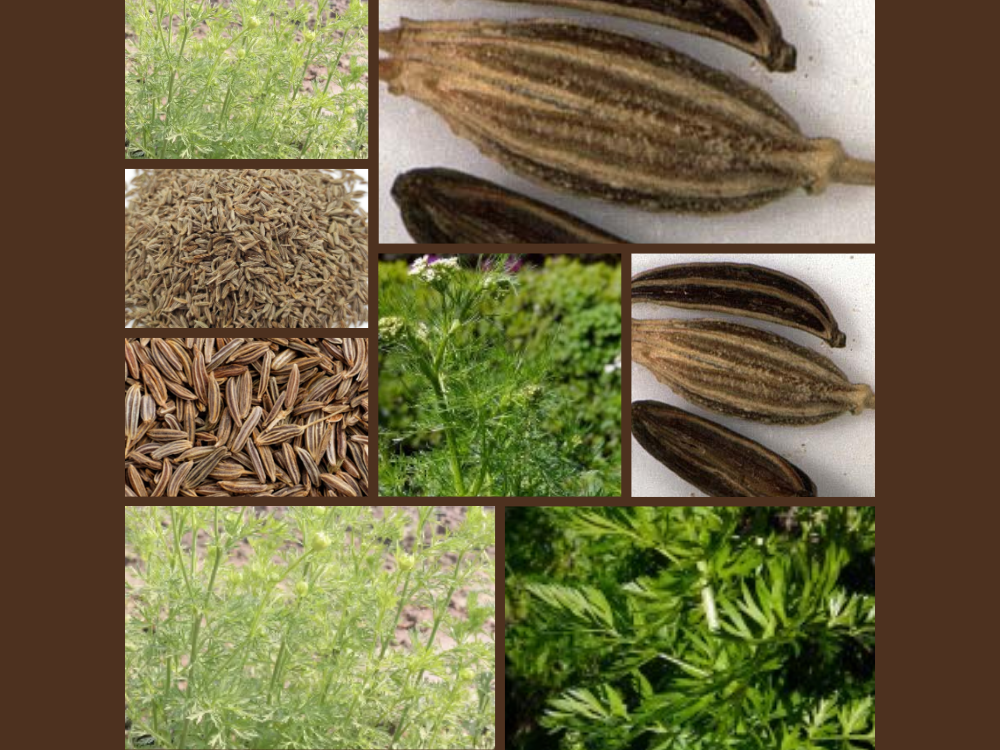
Hyssopus officinalis is a plant that grows to about one to two feet in height. Its stem and branches are jointed and knotted. It is also found in hilly areas.
The leaves are narrow in the middle and broader toward the ends. They are fragrant and bitter in taste.
Flowers
There are about ten to twelve small, yellowish flowers at each node of the branches. They have a sweet and pleasant fragrance.
The seeds are small, shriveled, and soft.
The plant is also cultivated in Iran, Syria, Central Europe, and Punjab. It is also known as Hyssopus parviflora.
Chemical Components
It contains:
- A glucoside
- Greenish-yellow volatile oil
- A small amount of tannin
- Resin
- Fat
- Pitch-like substances
Temperament
Hot and dry in the second degree.
Actions
- Astringent
- Expectorant
- Stomachic
- Digestive
Uses
Hyssop is traditionally used as a diuretic and for cough, asthma, colds, and flu. It is also considered useful in pneumonia and for improving liver function.
Its poultice is traditionally used for reducing swelling. It is also used for paralysis, chronic cough, swelling of the lungs, and pain or discomfort in the chest and sides.
It is considered useful for sinusitis. When applied to the eyes for conditions associated with liver problems, it is traditionally believed to help relieve watery discharge caused by cold conditions.
Gargling with its decoction is traditionally used for swelling of the teeth and gums.
Special Benefit
It is especially beneficial for cough and asthma.
Dosage
Three to nine times a day.
The original text does not specify the quantity for each dose; the dosage should therefore be verified from the source before publication.