



Introduction
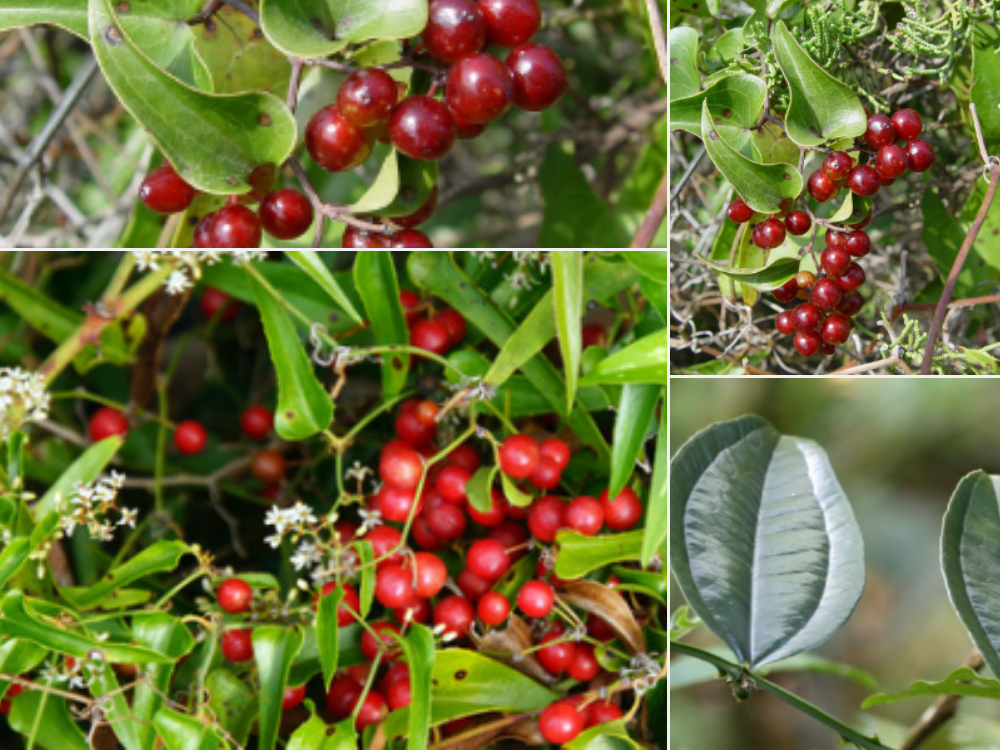
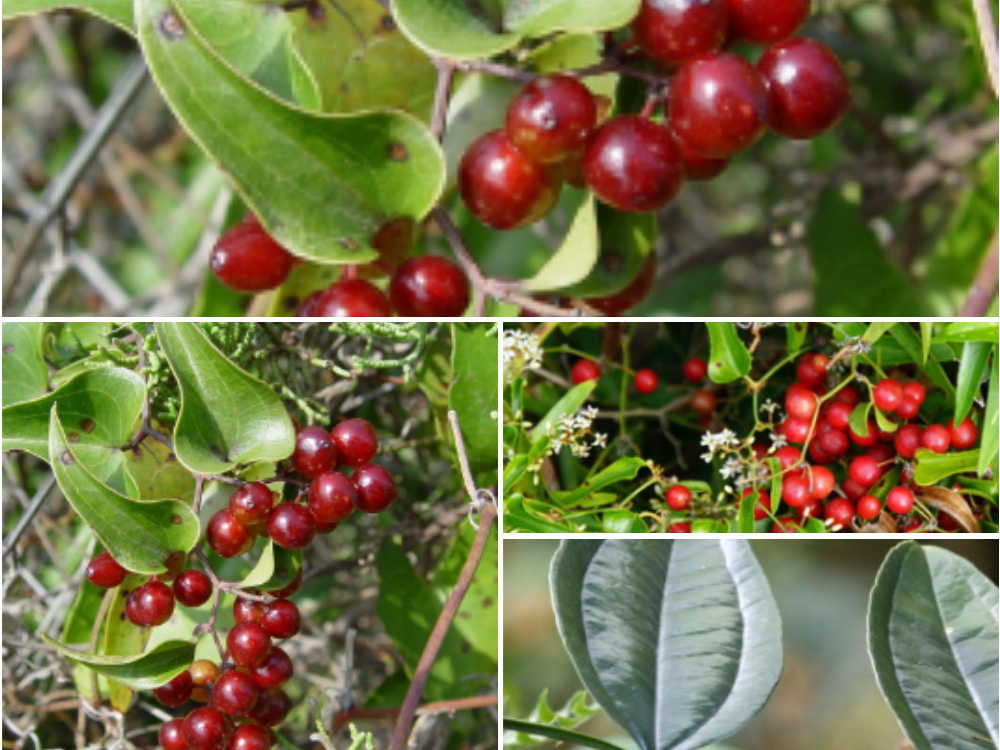
Smilax officinalis is a climbing plant with thin, wrinkled, rounded roots and reddish-brown branches. The roots are accompanied by numerous fine rootlets and fibers and have a slightly bitter taste.
Some traditional sources consider it a foreign variety of Anantmool (Indian sarsaparilla). It is imported from other countries, including the United States, although it is also found in certain parts of India.
The vine is thick, long, and strong, with a reddish-black color. It bears white flowers arranged in clusters and has broad, dense foliage. The plant is commonly seen twining around trees and shrubs in regions such as Kalkaji, Nepal, and South India.
Chemical Composition
The bark contains cinchotannic acid and coloring matter.
Temperament
Hot and dry in the third degree.
Actions
Traditionally, Smilax officinalis is described as having the following actions:
- Blood purifier (Musaffi-e-Khoon)
- Resolvent of swellings
- Diaphoretic—promotes perspiration
- Attenuant—helps thin or attenuate morbid humors
- Diuretic—promotes urination
Traditional Uses
Because of its traditionally described attenuant, warming, and diaphoretic properties, Smilax officinalis is used in traditional medicine, often in the form of a decoction or distillate, for various nervous and phlegmatic disorders.
Traditional uses include:
- Paralysis
- Facial palsy
- Chronic cough
- Asthma
- Hepatic obstruction
- Dropsy
- Rheumatism
It is traditionally administered orally and may also be applied externally in the form of an infused oil for complaints such as sciatica, paralysis, and joint pain.
Because it is traditionally believed to attenuate morbid humors, purify the blood, and resolve swellings, it has also been used in traditional formulations for melancholic disorders, syphilis, leprosy, and malignant ulcers.
Specific Benefit
Traditionally considered beneficial for melancholic disorders.