



Introduction
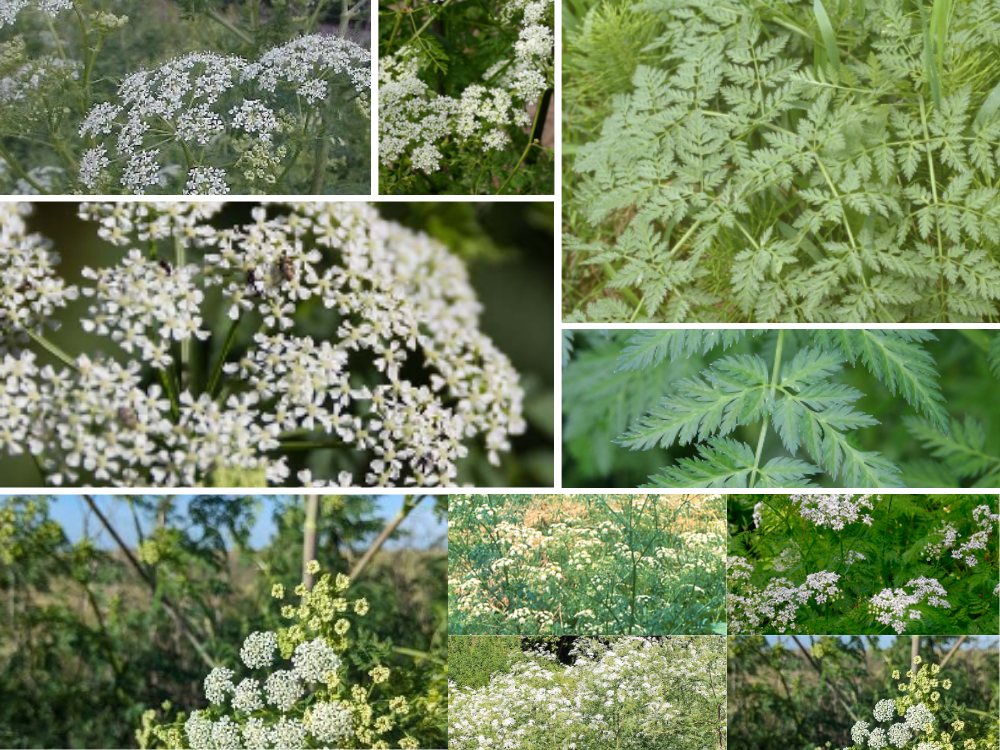
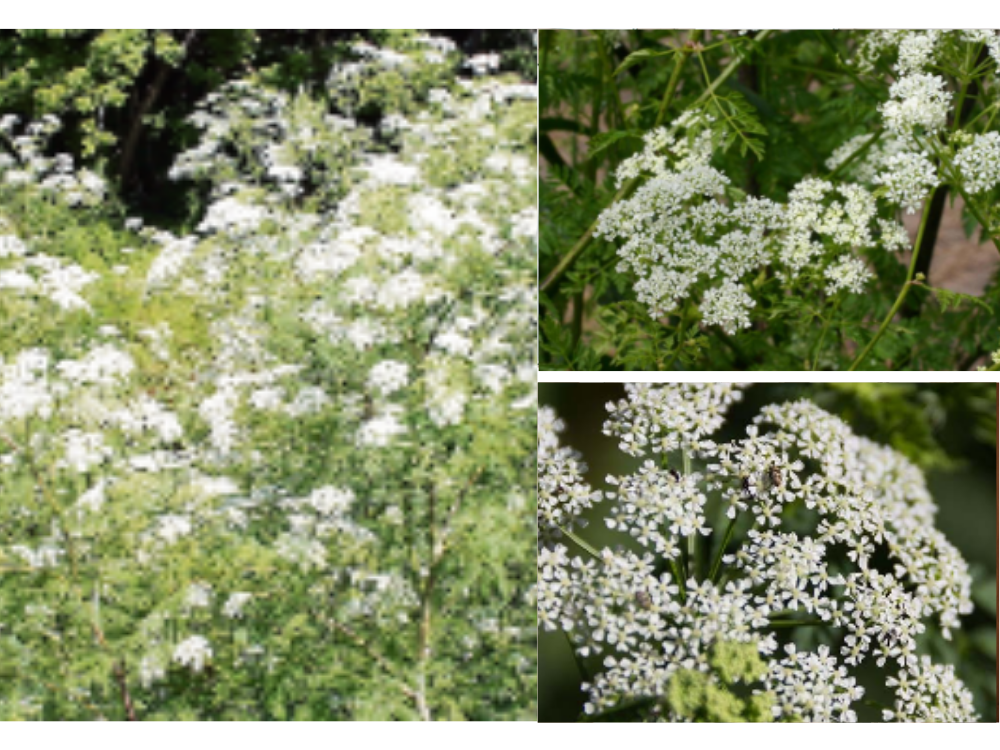
Hemlock is a herbaceous plant with smooth, clean leaves resembling those of the cucumber. The leaves have serrated margins and emit a sharp, unpleasant odor. Its branches resemble those of fennel. The flowers are white and arranged in umbels, resembling the flowers of dill (Soya), while the seeds resemble aniseed.
The roots, leaves, and flowers have historically been used medicinally, although the leaves and flowers are described as being the most potent parts.
Hippocrates referred to the plant as Quniyun, while the renowned physician Ibn Sina (Avicenna) identified Quniyun as Shokran (Hemlock).
Haji Zain al-Attar stated that the plant is known as Door-ras in Iran and grows in the Taft mountains. For this reason, Mulla Nafees referred to it simply as Taft in his commentary, Sharh-e-Asbab.
Some people in the Bombay region refer to it as Qumana, while others have incorrectly identified it as Ajwain Khorasani (Henbane) or, according to Muhit-e-Azim, as the root of Moth-washti. These identifications are considered incorrect in the source tradition.
Varieties
Four varieties are described in the traditional literature:
- Shokran-e-Suqrat — Socrates’ Hemlock
- Shokran-e-Kabir — Greater Hemlock
- Shokran-e-Saghir — Lesser Hemlock
- Shokran-e-Sammi — Poisonous Hemlock
According to historical accounts, the Shokran-e-Suqrat variety was administered to Socrates and caused his death. It is also described as the variety most commonly used medicinally.
The leaves and small branches are traditionally harvested in June, when the plant bears fruit.
Chemical Constituents
Coniine
Coniine is the principal active alkaloid of hemlock. It is described as an oily, volatile liquid with a characteristic mouse-like odor and is responsible for much of the plant’s toxicity.
Methylconiine
Methylconiine is a colorless liquid alkaloid.
Conhydrine
Conhydrine is described historically as an inert alkaloid.
Other Constituents
The plant also contains conic acid and other related alkaloidal compounds.
Temperament
- Cold, fourth degree
- Dry, third degree
Actions
External Use
Traditionally, hemlock is described as:
- Vesicant (blister-producing)
- Analgesic
- Antispasmodic
- Desiccative (drying)
Internal Use
Historically, it has been described as:
- Antispasmodic
- Desiccative
- Hypnotic
- Retentive
- Intoxicating
Traditional External Uses
Hemlock is described as having little effect on healthy, intact skin. When applied to wounded skin or mucous membranes, however, it can numb sensory and motor nerve endings.
Because of its local antispasmodic and sedative effects, traditional texts describe its external use for acute articular pain, shingles, carbuncles, erysipelas, and eye pain.
Its drying properties were traditionally believed to suppress lactation when applied as a poultice to the breasts.
Drying and Astringent Applications
Historically, a poultice applied to the abdomen was described as useful for diarrhea, while a paste applied to the forehead was traditionally used to help arrest nosebleeds.
Historical Internal Effects
In large quantities, hemlock can cause vomiting and marked neurological toxicity. It may initially produce changes in the pulse and progressively depress neuromuscular function.
In severe poisoning, motor nerves become paralyzed. Progressive paralysis can affect the muscles responsible for breathing, ultimately resulting in respiratory failure and death.
Effects on the Eyes
When hemlock compounds affect the eyes, they can produce dilation of the pupils and drooping of the upper eyelids (ptosis). Historical descriptions also mention ocular elimination of the drug.
Historical Internal Uses
Because of its traditionally described antispasmodic and sedative properties, hemlock was historically used for various spasmodic disorders, including tetanus, tremors, paralysis, and cough.
Its traditional retentive property was attributed to drying seminal fluid and was historically associated with delaying ejaculation.
Toxicity and Poisoning
Hemlock is a highly poisonous plant. Its alkaloids can cause progressive weakness and paralysis of the muscles, visual disturbances, loss of respiratory function, and death.
Historical medical texts contain various methods for treating hemlock poisoning, including inducing vomiting, gastric lavage, keeping the body warm, administering stimulants, artificial respiration, and certain injectable drugs. These historical instructions should not be attempted outside professional medical care.
Suspected hemlock poisoning requires immediate emergency medical attention. Do not attempt to induce vomiting or administer medicines without professional direction.
Specific Properties
Traditionally described as:
- Hypnotic
- Sedative
- Antispasmodic
- Retentive / anti-spermatorrhea
Substitute
Ajwain Khorasani (Henbane seeds) is given as a traditional substitute in the source literature.
Corrective
Jand-baid-star (Castoreum) is traditionally mentioned as a corrective.
Dosage
The traditional literature gives a dosage of 0.12–0.24 grams. However, because Conium maculatum contains highly toxic alkaloids and the concentration can vary considerably, this historical dosage must not be used as a modern medicinal dose.