



Introduction
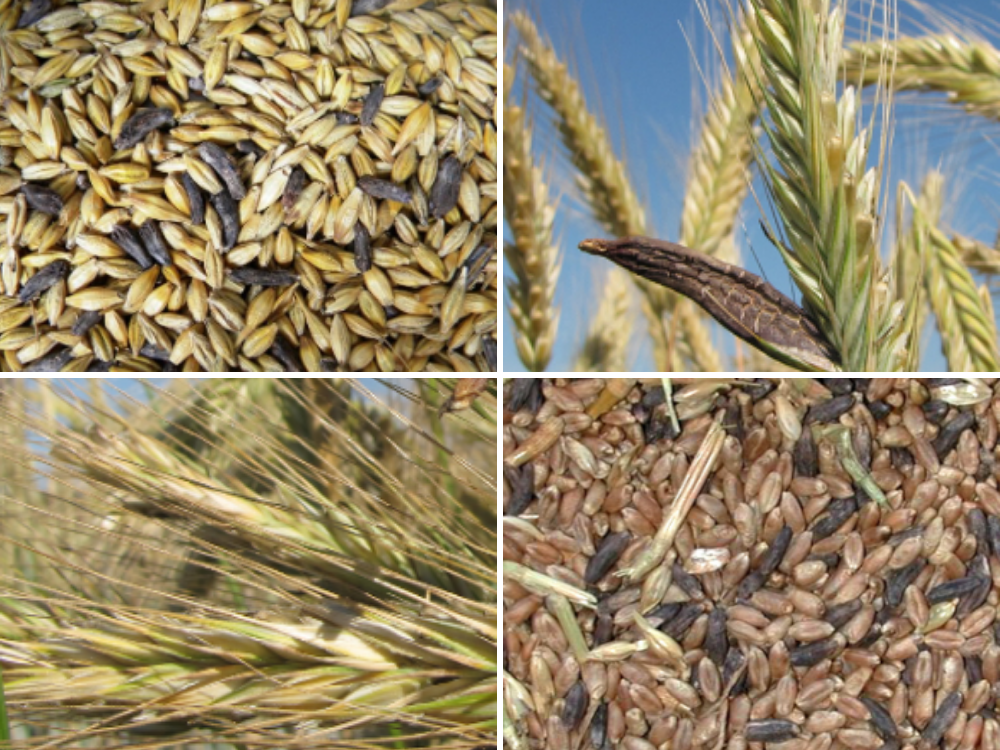
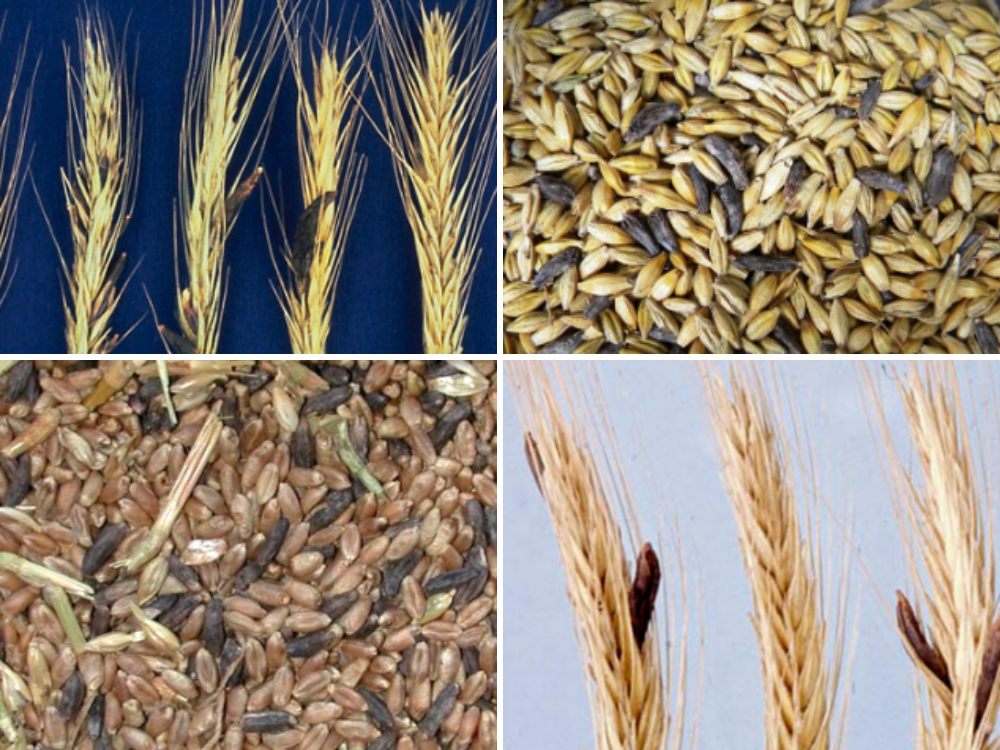
Ergot is a type of fungus (mold) that resembles a mushroom and infects a particular grain, most commonly rye. The affected grains are much smaller than barley and are curved, somewhat triangular, and pointed at the tip. They may reach approximately 1½ inches in length and have deep grooves on both sides, particularly along the concave surface.
The grains often appear cracked. Their outer surface is violet-black, while the interior is onion-like white. They break cleanly when fractured. The taste is unpleasant and bitter and may produce vomiting.
Chemical Constituents
Ergot contains several biologically active alkaloids and related compounds, including
- Ergotoxine
- Sphacelinic acid
- Ergotinine
- Ergotamine
- Sensibamine
- Ergoclavine
- Ergometrine
- Ergobasine
- Ergosterol
- Ergamine (or histamine), historically described as being derived from histidine
Ergotoxine is described as a fine powder that is insoluble in water but soluble in alcohol. Ergotamine closely resembles ergotoxine but differs slightly in its composition and properties.
Some of these compounds have physiological effects. Historically, some of these compounds were compared to adrenaline due to their physiological effects. compared with those of adrenaline.
Temperament
Hot and dry, second degree.
Traditional Actions
Historically, ergot has been described as having the following actions:
- Detergent
- Resolvent
- Analgesic
- Hypnotic
- Intoxicating
- Abortifacient
- Hemostatic (blood-stanching)
External Uses
Because of its traditionally described detergent, analgesic, and resolvent properties, finely powdered ergot was historically applied externally for conditions such as ringworm, scalp infections (favus), and scabies.
Because of its analgesic and anesthetic properties, it was also traditionally ground and mixed with alcohol before being applied to affected areas.
Due to its resolving properties, it was applied as a poultice for swellings and joint stiffness.
Historical Internal Use
Ergot was not traditionally used internally in the Unani system of medicine, although it was historically used internally in Western medicine (allopathy).
Historically, ergot was regarded as a hemostatic agent and was used for bleeding conditions such as vomiting blood, blood in the urine, and hemoptysis (spitting blood).
Its ability to produce uterine contractions led to its historical use after childbirth, particularly for postpartum hemorrhage. It was also historically used for conditions associated with blood-vessel constriction, including dysentery, enlargement of the spleen, excessive sweating, and diabetes insipidus.
Historical texts emphasized that ergot should only be used after childbirth because of its uterine-contracting effects and warned against its use during pregnancy or before delivery, as it could cause powerful uterine contractions and fetal death.
Historical Preparations and Doses
Historical medical texts described ergot in several preparations, including liquid extracts, infusions, and injectable forms. These included:
- Liquid Extract (BP): Historically described in drops.
- Fresh Infusion: Historically described in fluid ounces.
- Hypodermic Ergot Preparations: Historically administered by injection.
These historical preparations and doses are included here for documentation of traditional medical literature only and should not be used as modern dosing instructions.
Historical accounts also noted that inflammation, swelling, and occasionally a small abscess could develop at an injection site. Ergotinine was also historically prepared in tablet form.
Storage and Preservation
Traditional instructions recommend drying whole ergot grains using the heat of unslaked lime and storing them with a small quantity of camphor. According to the historical description, the material becomes unusable after approximately one year.
Important Safety Note
Ergot contains potent alkaloids that can cause serious poisoning, severe vasoconstriction, neurological effects, uterine contractions, and other dangerous complications. It should not be self-administered or used during pregnancy. The historical medicinal uses and dosage information above are provided for historical and Unani-literature documentation only, not as recommendations for treatment.
Unani Status
Ergot is not used internally in the Unani system of medicine.