



Introduction
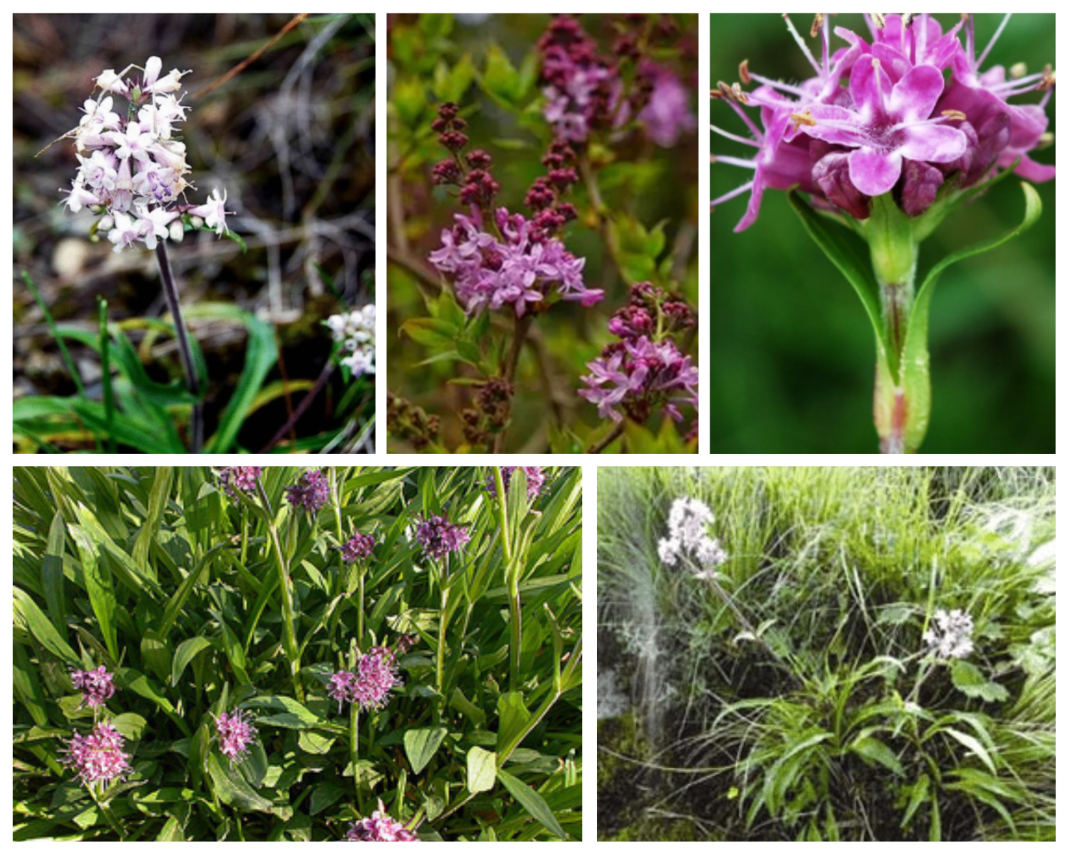
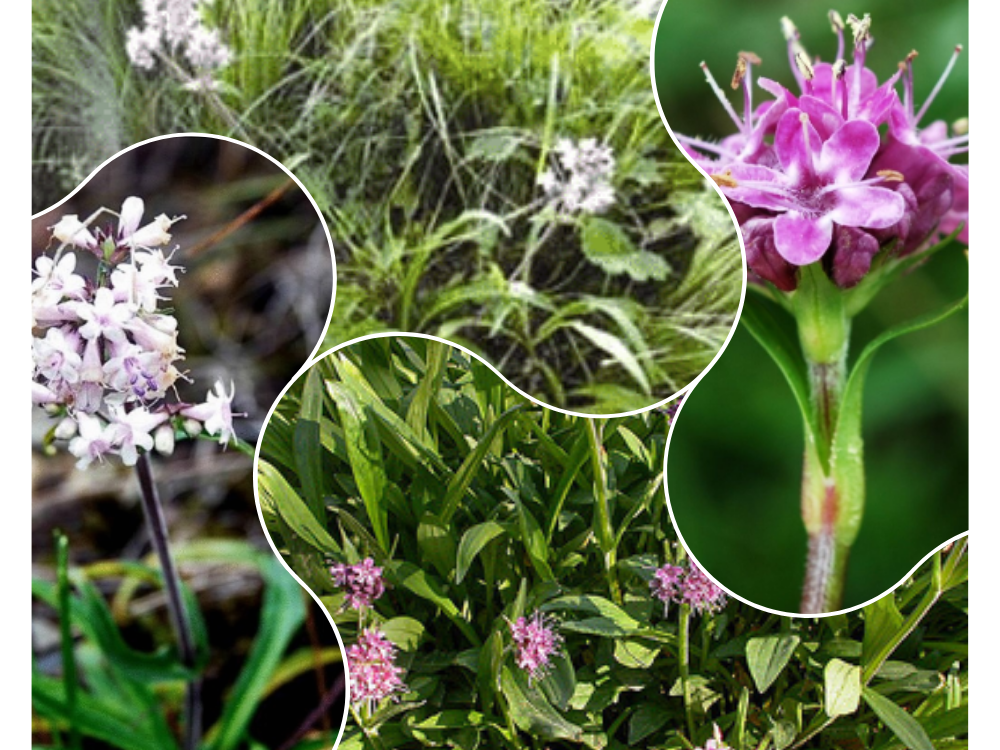
This plant grows from approximately 5 inches to 2.5 feet in height and has rough hairs on its surface. Five or six branches grow near the root, resembling the tufts of a monk.
Leaves:
The leaves are few in number, about 6–7 inches long and 1.5 inches wide. They are pointed and smooth at the ends.
Flowers:
The flowers are pink or blue and grow in clusters.
Root:
The root is about the size of a finger, reddish-brown, hairy, and fragrant. It is usually found at elevations of 7,000–16,000 feet. It grows in snowy regions extending from the Kumaon district to Kangra, as well as in Kashmir, Nepal, and Bhutan.
Another species, Valeriana officinalis, grows at elevations of up to 8,000 feet and is found in Kashmir, Burma, Ceylon, and Europe. Its properties are considered similar to those of the first species.
Its aroma resembles that of catnip, which is why some people have referred to it as catnip. However, true catnip is a different plant known as Badar Najwa.
Chemical Constituents:
It contains a mildly volatile oil consisting of oil, valeric acid, pinene, terpene, and borneol. A black, resin-like substance constitutes approximately 1% of its total composition. It also contains about 6–7% camphor, gum, water, and aromatic substances. Approximately 12% of the root consists of materials associated with its oil.
Temperament:
Warm, first degree; dry, second degree.
Actions:
It is traditionally considered astringent and beneficial for the heart, brain, liver, stomach, lungs, and skin.
Note:
There is some disagreement regarding the medicinal effects of Sanbul-e-Tayeb. Dr. Brittnam states that it may depress the spinal cord, lower blood pressure, and slow the pulse rate. Dr. Bulls reported that its oil may help relieve pain produced by certain substances. Some physicians consider it capable of reducing the sensitivity of sensory nerve endings throughout the body. Dr. Martel observed that washing a wound with a strong decoction of the herb may relieve pain. The finer and purer its oil, the more beneficial it is considered to be.
External Uses:
Because of its pleasant fragrance and bright color, it is traditionally used in ointments to reduce blemishes on the face and body and improve the complexion. When added to compresses, it may help remove unpleasant odors from the forehead and armpits. When ground and applied externally, it is traditionally used to remove excess oil, although it may have an irritating effect on healthy skin. Because it acts as a solvent, its ointment is also traditionally used for wounds.
Internal Uses:
It is traditionally considered a decongestant and tonic for the liver and stomach. It may help stimulate digestion by promoting intestinal movement and relieving flatulence.
Worm-Expelling Property:
Some traditional practitioners consider it useful against intestinal worms and use its decoction to help eliminate them.
Use in Betel Preparations:
Because of its pleasant warming sensation, it is sometimes chewed with betel leaves and similar preparations.
Nervous System and Women’s Health:
Due to its traditionally recognized sedative and tonic effects on the mind, it is used for hysteria, epilepsy, menstrual discomfort, heart palpitations, and headaches in women. It is also traditionally used to relieve headaches associated with menstruation, migraines, nerve pain, and other nervous disorders.
Diuretic and Uterine Uses:
Because of its diuretic properties, it is traditionally used during menstruation. It is often incorporated into warm pastes and applied to the region of the uterus and bladder.
Special Benefit:
Tonic effect on the mind.
Harmful Effect:
May be harmful to the kidneys.
Corrective: Rose oil
Dosage:
3–5 grams.