



Introduction
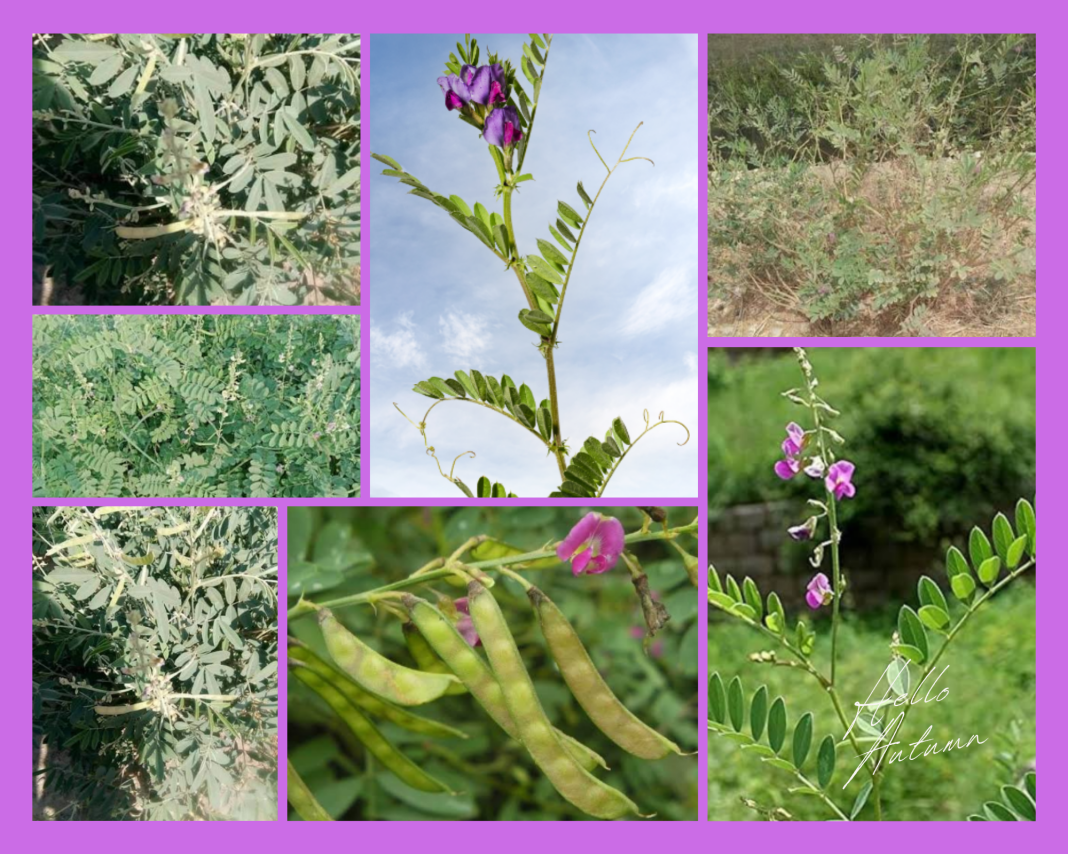
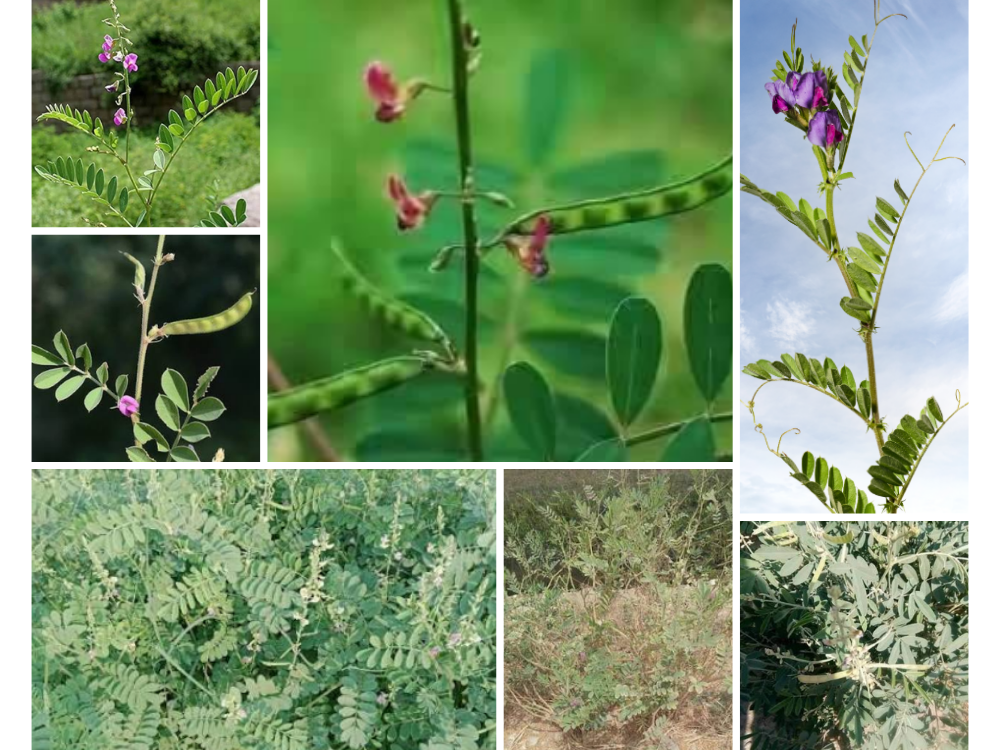
This plant grows to a height of about 2–3 feet. Its leaves are arranged parallel to one another on thin branches. The flowers are red or purple. Its pods are small, flat, slightly curved, and about 1.5–2 inches long, containing several seeds. The root grows deep into the soil.
It flowers during the rainy season, while the pods develop in winter. It is found throughout almost all parts of Pakistan and India. It can grow in areas ranging from deserts to elevations of 6,000–7,000 feet. It is distributed from northern and southern India to Brahma and is also found in Pakistan.
Chemical Constituents
The root contains compounds such as deguelin, tephrosin, rotenone, and isotephrosin. The leaves contain about 2.5% of a glycoside, while the plant produces approximately 6.5% ash, which contains a small amount of manganese. It also contains resin, chlorophyll, and caffeine citrate.
Temperament
Warm, first degree.
Actions
Purifying.
Uses
It is traditionally used as a decoction or infusion for purifying the blood in conditions associated with blood disorders, including fever, leprosy, itching, dryness, boils, and swelling.
According to the traditional text, if mercury or another metal is accidentally ingested, the plant is ground with water, filtered, and administered to help remove impurities. This decoction is also described as an important component of Shahatra preparations.
Special Benefit
Blood purification.
Substitute
Brahma Dandi
Dosage
approximately 0.95 grams