



Introduction
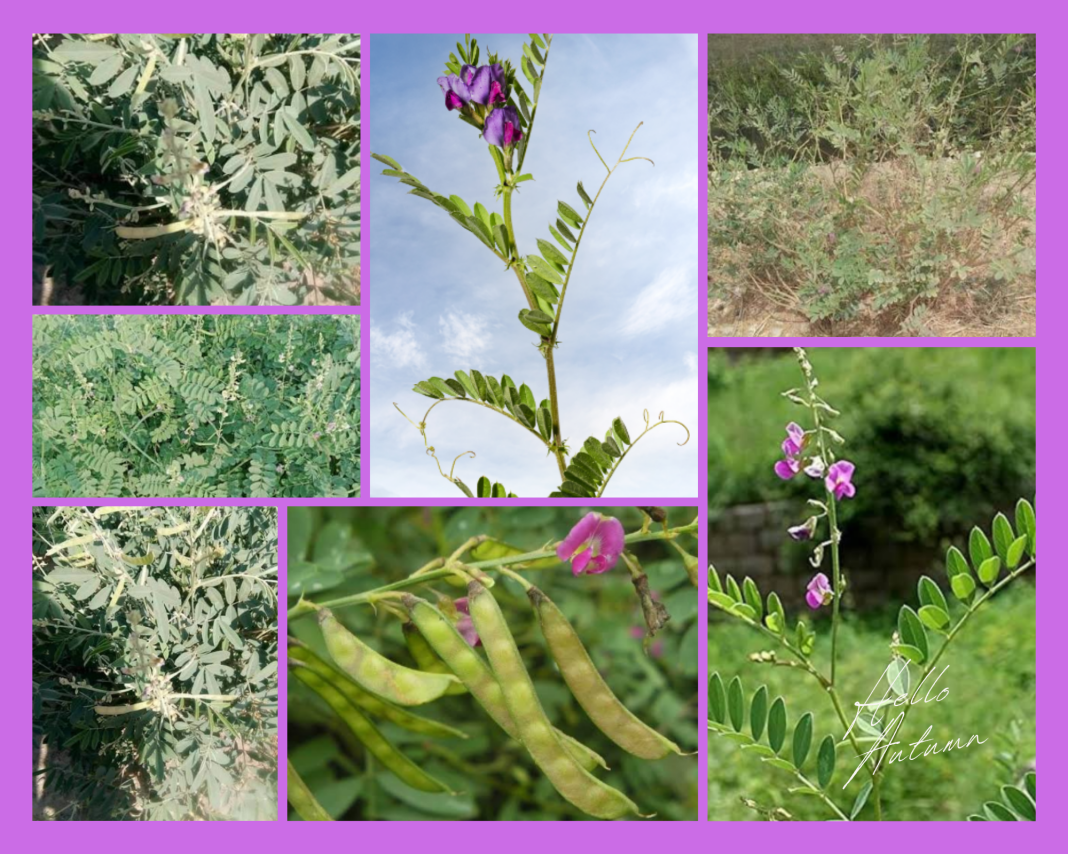
This herb commonly grows in wheat and gram fields and reaches a height of about half a meter. It is usually found in the fields of Punjab, Uttar Pradesh, and Pakistan.
Leaves
Some of its leaves are long and green in color. The plant generally grows to about 1 foot in height.
Flowers
The flowers are yellow in color.
Seeds
The seeds are triangular in shape and occur in groups of three inside a covering. The plant has a characteristic smell and grows wild.
Temperament
Hot and dry.
Chemical Constituents
The original text does not provide specific chemical constituents.
Actions
It is traditionally described as astringent, expectorant, and constipating. It is also considered useful for strengthening the stomach and liver.
Uses
It is traditionally used as an astringent and is believed to aid digestion and increase appetite. It is considered useful for strengthening a cold stomach, relieving flatulence, and expelling wind.
It is also traditionally used to strengthen the liver and stomach. It is believed to promote menstruation and urination and help eliminate waste from the body.
Because of its effect on thick mucus, it is traditionally used for sinusitis. It is also mentioned for gout and chronic gout and is traditionally believed to protect the body from toxins and help counter the effects of snake and wasp venom.
As a poultice, it is traditionally used to relieve fever and indigestion.
Special Benefit
Traditionally considered useful for relieving cough and cold.
Harmful Effect
Weakness of eyesight.
Corrective
Aniseed.
Substitute
Fennel.
Dosage
3–5 grams.