



Nature: Rose, Gulab
This plant is very famous, and hundreds of varieties have now been produced. It is grown in Pakistan, India, Iran, Syria, and other countries. Its original homeland is the subcontinent, where its extract was first used, leading to its name as “rose water.” This plant eventually became known as the rose.
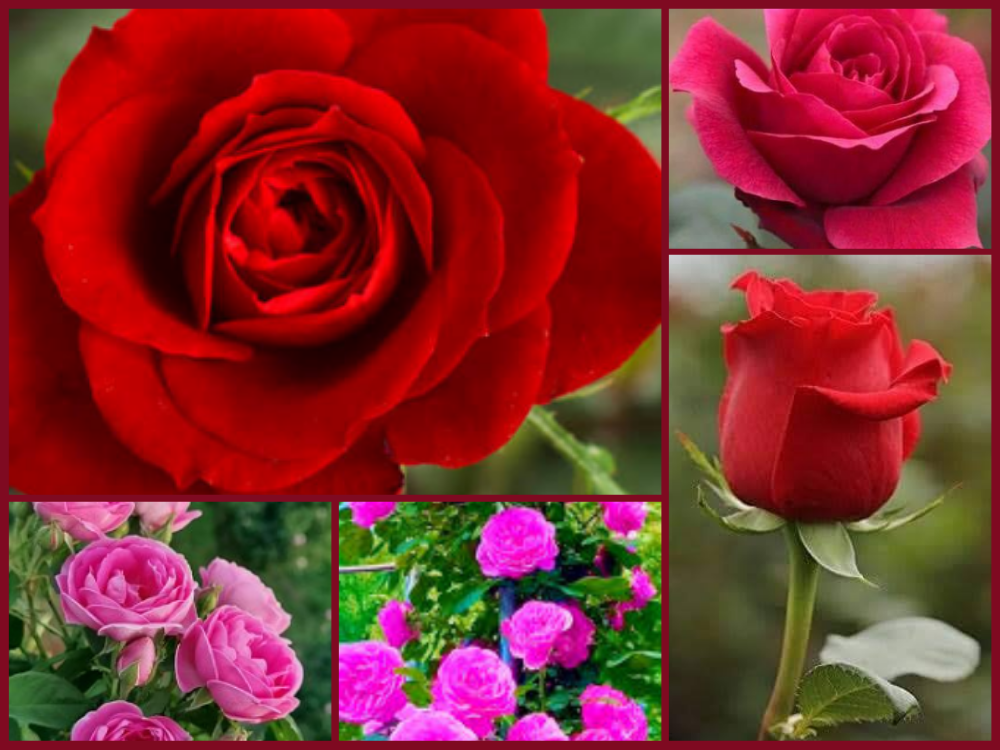
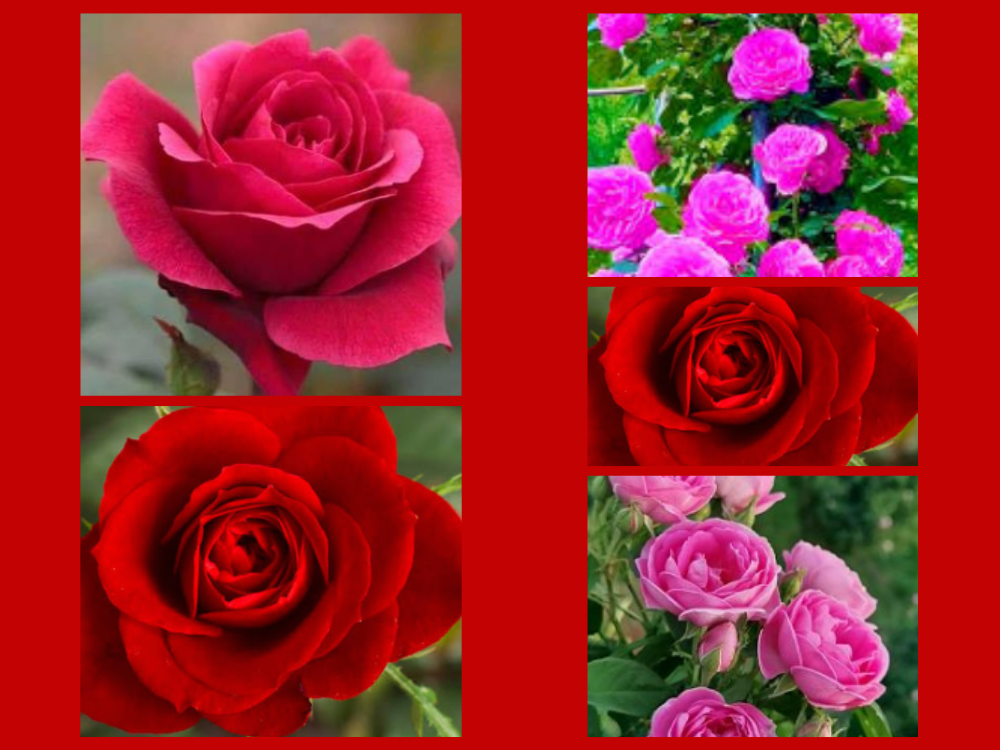
The plant grows to about three to four feet in height. Its leaves are dark green with serrated edges. They are rough and pointed. The branches are covered with thorns. The flowers are of different colors, but pink and red roses are widely used for medicinal purposes. They are round, have many petals, and are fragrant and beautiful. There are tiny grains between the rose flowers, which are called golden seeds. They are considered to have an addictive effect.
Temperature
It has a strong mixture of properties. Its hot and mild powers are high, while its bitter and pungent powers are low.
According to most doctors, it is cold and dry in the first degree and dry in the second degree.
Chemical Components
It contains Oleum Rosi (rose oil), tannic acid, and gallic acid.
External Use
Applying rose petals mixed with Abtan medicine to the face at night before going to bed helps remove acne and blemishes.
Actions
- Refreshing and tonic for the upper limbs
- Tonic for the body
- Tonic for the stomach and intestines
- Laxative and astringent, especially dried red roses
- Relieves the heat of bile
- Fragrant
- Promotes perspiration
- Prevents excessive sweating
- Soothes and relieves heat
- Relieves pain
- Soothes ulcers
Uses
Smelling fresh flowers gives joy and strength to the heart and mind, although some people may develop colds and flu after smelling them.
Due to its strong aroma, rose extract is traditionally used to relieve eye and ear pain and swelling. Finely ground rose is useful for treating headaches. A poultice is useful for liver swelling.
Gargling and rinsing with a rose decoction is useful for toothache. Adding rose preparations to mouthwashes makes the mouth fragrant. It also helps reduce swelling of the gums and provides relief from toothache.
Rose extract, or its addition to syrups or pastes, is traditionally used to strengthen the heart and brain and to relieve hot flashes, fainting, and nervousness. It strengthens the stomach and liver and is useful for hot diarrhea, dysentery, and bleeding. It relieves constipation. When given in large quantities, it may cause diarrhea.
Perfume and Preparations
Perfume is made from its flowers. The perfume of these flowers is considered the crown of all perfumes. Its flowers are also used to make Gulkand.
Special Benefits
- Relaxing
- Relieves and alleviates constipation
Dosage
Five to seven grams.
Famous Preparations
Its famous preparations include:
- Rose oil
- Rose perfume
- Syrup of Painkillers
- Majoon Dabid-ul-Ward
- Tablets of Tabashir
- Tablets of Zereshk
- Gulkand
- And others
Rose Cumin
Temperament
Hot and dry in the second degree.
Actions
- Astringent
- Muscular
- Stomach tonic
- Hemorrhage arrestant
- Dehydrating
Uses
Rose Cumin is used alone or in combination with other medicines for the treatment of stomach and intestinal disorders. It is also traditionally used for hemorrhage and is considered useful internally for controlling bleeding.
By drying uterine fluids, it is traditionally believed to tighten wounds by wrapping the muscular fibers and is considered useful during pregnancy.
Special Benefits
- Stomach tonic
- Antidiarrheal
Dosage
One to three tablets.