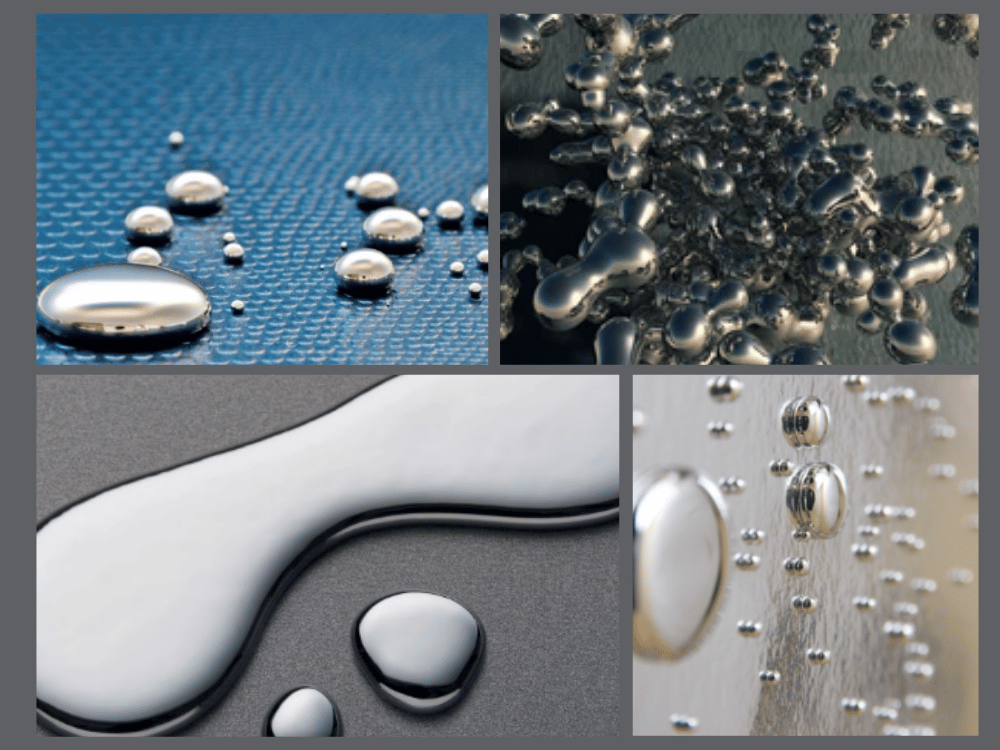




Introduction
Red Sulphide of Mercury, traditionally known as cinnabar or Roman coral, is a naturally occurring mineral compound formed from mercury and sulfur. It has been widely used in traditional systems of medicine, mineral therapy, and alchemical preparations for centuries.
This compound is recognized for its bright red color, heavy weight, and glossy appearance. In Unani and Ayurvedic medicine, it was regarded as a strengthening and purifying substance and was included in several medicinal preparations after careful purification.
Physical Description
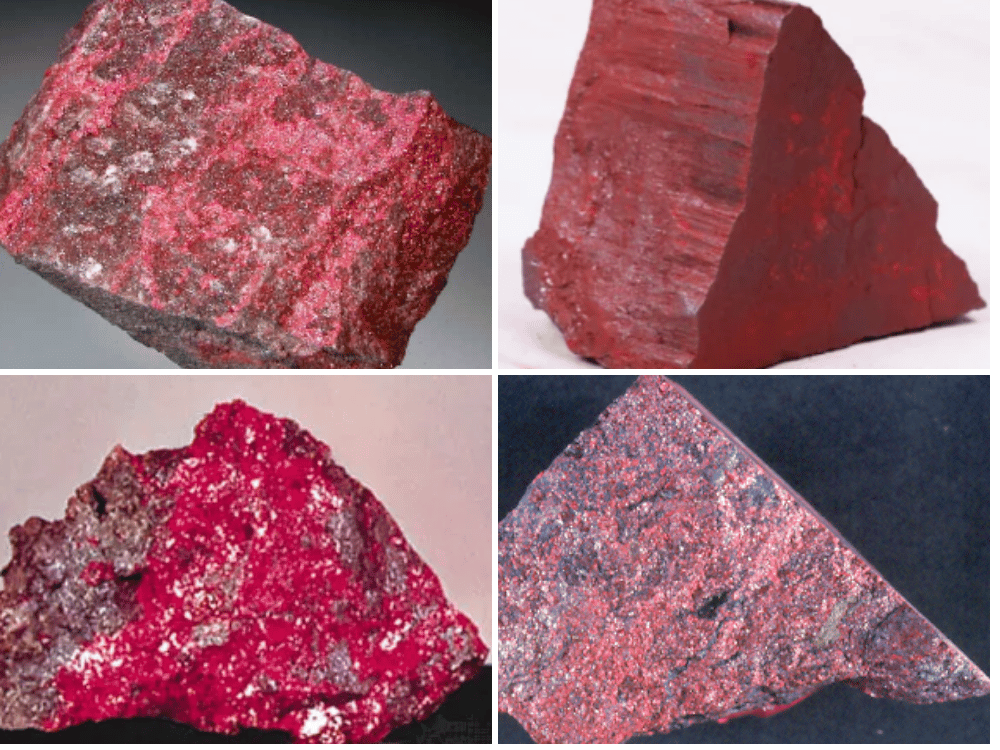
Red sulphide of mercury is usually found in the form of:
- Bright red lumps or crystalline masses
- Shiny and glossy mineral pieces
- Heavy and dense material
When rubbed on a hard surface such as clay or stone, it leaves a distinct red streak.
Its specific gravity ranges from approximately 8 to 8.5, meaning it is nearly eight times heavier than water.
Traditional texts describe two forms:
- High-quality Roman coral — bright red, shiny, and rich in mercury
- Lower-grade mineral form — duller, harder, and containing smaller amounts of mercury mixed with other minerals such as zinc and phosphate compounds
Large deposits were historically associated with regions such as Italy.
Natural Composition
Red Sulphide of Mercury is a natural compound of:
- Mercury
- Sulfur
The high-quality form may contain a very large proportion of mercury combined with sulfur in mineral form.
Temperament in Unani Medicine
According to Unani medicine, red sulphide of mercury possesses the following temperament:
- Hot and dry in the second degree
Its warming and strengthening qualities made it useful in chronic cold and phlegmatic disorders.
Medicinal Properties
Traditional physicians described the compound as having several important medicinal actions, including:
- General body tonic
- Heart tonic
- Lung tonic
- Astringent
- Antiseptic
- Anti-inflammatory
- Blood purifier
- Nervous system tonic
- Anti-phlegmatic agent
These properties made it valuable in both internal and external medicinal preparations.

Traditional Uses
Respiratory Disorders
Because of its warming and anti-phlegmatic properties, red sulphide of mercury was traditionally used in:
- Colds
- Chronic cough
- Asthma
- Chest congestion
Its decoction and smoke were believed to help remove excess phlegm and strengthen the lungs.
Nervous System and Joint Disorders
Traditional practitioners prescribed it in conditions such as:
- Paralysis
- Joint pain
- Gout
- Nervous weakness
It was regarded as a stimulant and tonic for the nerves and muscles.
Blood and Skin Disorders
As a blood purifier, it was traditionally used for:
- Syphilis
- Leprosy
- Chronic fevers
- Blood impurities
The smoke or processed preparations were believed to cleanse the body and improve circulation.
Wound Healing and External Use
Because of its astringent and drying properties, it was added to ointments and poultices for:
- Drying wounds
- Stopping bleeding
- Cold swellings
- Chronic ulcers
It was believed to help contract tissues and reduce inflammation.
Extraction of Mercury
Traditional texts mention that mercury could also be extracted from this mineral. The extracted mercury was considered highly potent and was further processed into medicinal preparations.
Special Benefit
Traditional medicine especially regarded red sulphide of mercury as:
- A strengthening tonic for the body and nerves
Traditional Dosage
Because of its strong nature, only extremely small quantities were traditionally administered:
- One to two rice-grain equivalents
Improper use or excessive dosage could be dangerous.
Modern Scientific Perspective
Modern science recognizes red sulphide of mercury as mercuric sulfide, a compound containing mercury. Although less absorbable than some other mercury compounds, it may still produce toxic effects if improperly handled or consumed.
Excessive mercury exposure can harm:
- The nervous system
- Kidneys
- Brain
- Respiratory system
For this reason, modern medicinal use of mercury compounds is highly restricted and requires strict professional supervision.