




Introduction
Ocimum pilosum, commonly known as Niazboo or a type of Tulsi (Holy Basil), is a fragrant medicinal plant widely grown in gardens, homes, and even cemeteries. It is valued for its aromatic leaves, therapeutic properties, and versatile use in traditional medicine. Its seeds are often referred to as basil seeds and are known for their soothing and cooling effects.
Botanical Description
Plant Structure
- A highly branched plant with a strong, pleasant fragrance in all parts
- Commonly cultivated in household gardens and open spaces
Leaves
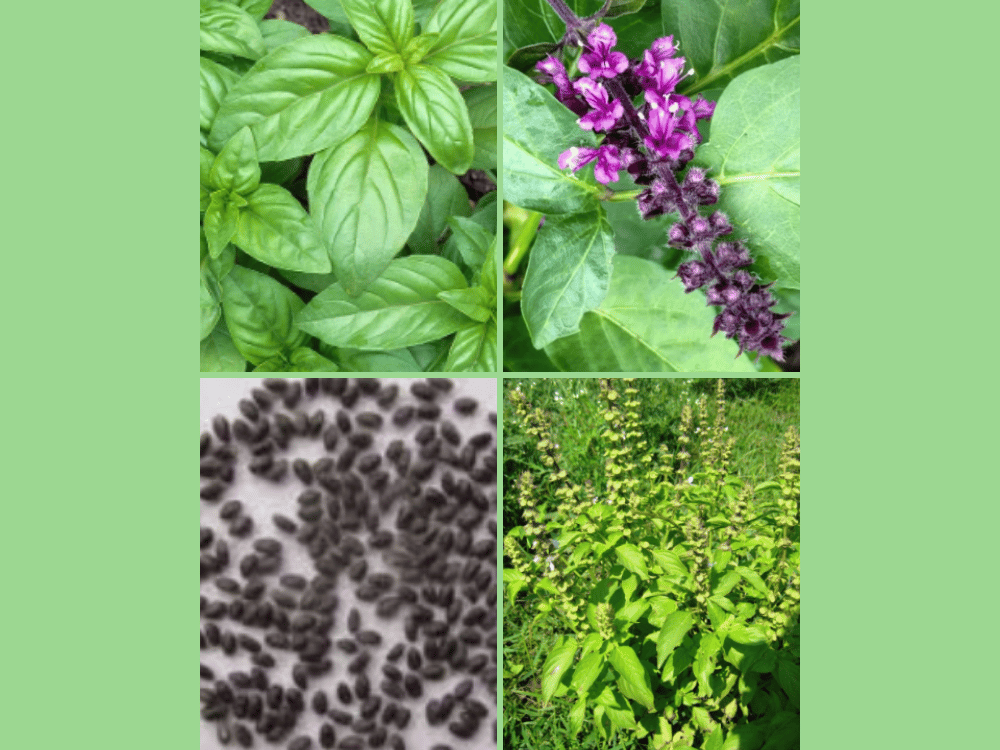
- Thin, smooth, and about 1–2 inches long
- Dark green in color, similar to basil leaves
Stems and Branches
- Dark green and aromatic
Flowers
- Arranged in panicles (clusters) about 3–4 inches long
- Purple with speckled appearance
Seeds
- Small, black seeds found within the flowers
- Contain a mucilaginous (gel-like) substance when soaked, commonly called basil seeds
Chemical Composition
- Volatile oil (lighter than water, solidifies over time) known as Basil camphor
- A turpentine-like compound called Ocimene (Ocumine)
- Mucilage (gel-forming substance in seeds)
Temperament
- Warm and dry in the first degree
- Seeds: Cold and dry
Pharmacological Actions
- Digestive stimulant
- Anti-asthmatic
- Soothing and calming
- Antipyretic (reduces fever)
- Astringent (especially leaves)
- Mild laxative
- Expectorant (removes phlegm)
- Thirst quencher
Medicinal Uses
Digestive and Respiratory Health
- Leaf juice improves digestion and stimulates appetite
- Helps in relieving gas and bloating
- Expels phlegm, useful in cough and asthma
Pain and Inflammation
- Leaves help reduce pain and swelling
- Applied as a poultice for throat and stomach issues in children
Ear and Nose Conditions
- Leaf juice can be used for ear problems, especially swelling-related deafness
- Helps reduce nasal discharge when used as nasal drops
Fever
- Decoction of leaves is effective in both acute and chronic fevers
Children’s Remedies
- Leaf juice mixed with honey is beneficial for cough
- Combined with other traditional ingredients for respiratory relief
Injuries and Sprains
- Warm leaf compress helps in healing sprains and injuries
Seeds Uses
- Basil seeds are cooling and soothing
- Useful in dysentery and intestinal disorders
- Known for their hydrating and mild laxative properties
Special Note
- Basil seeds are traditionally counted among the “four seeds” in Greek (Unani) medicine due to their importance
Dosage
- Leaf juice: 3–5 tolas
- Seeds: Used in small measured quantities depending on age and condition