



Introduction
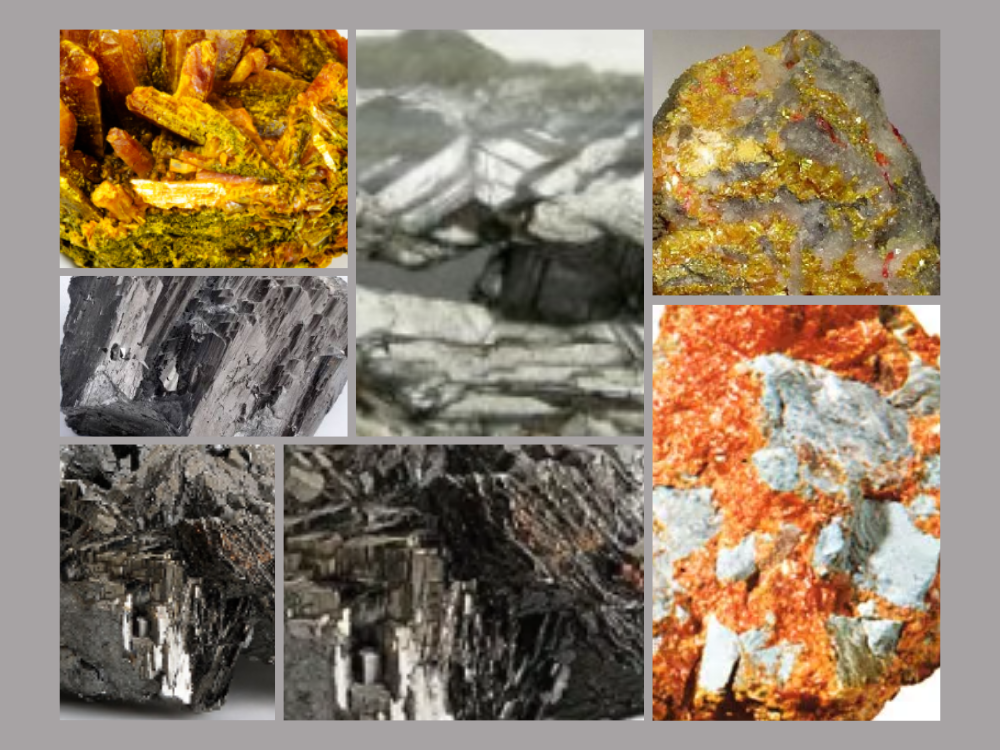
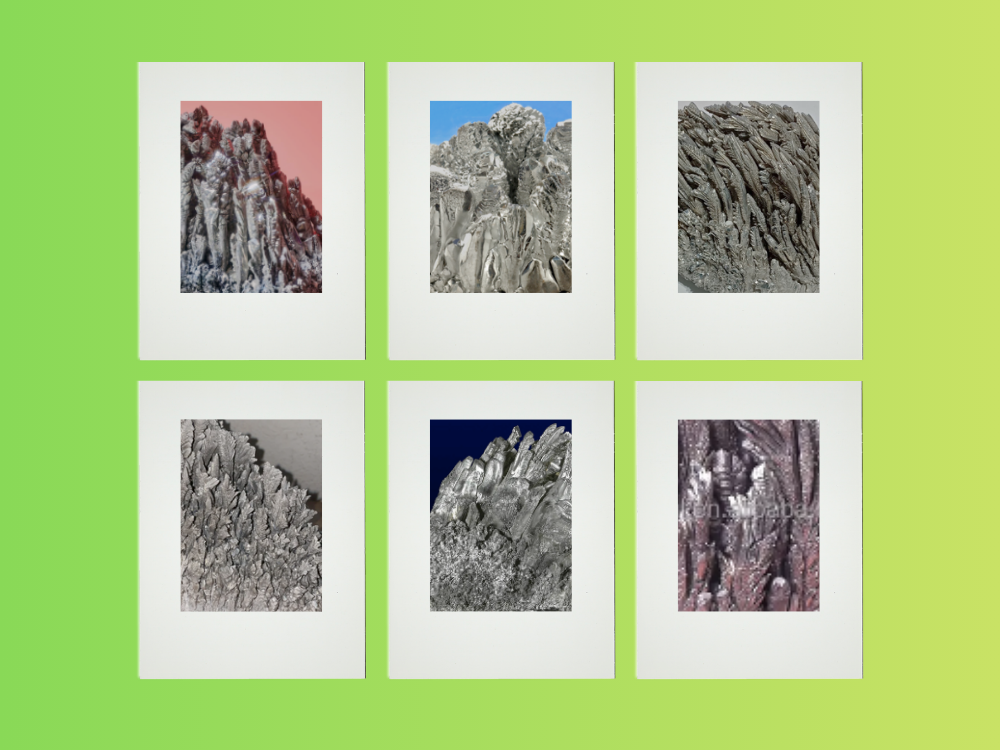
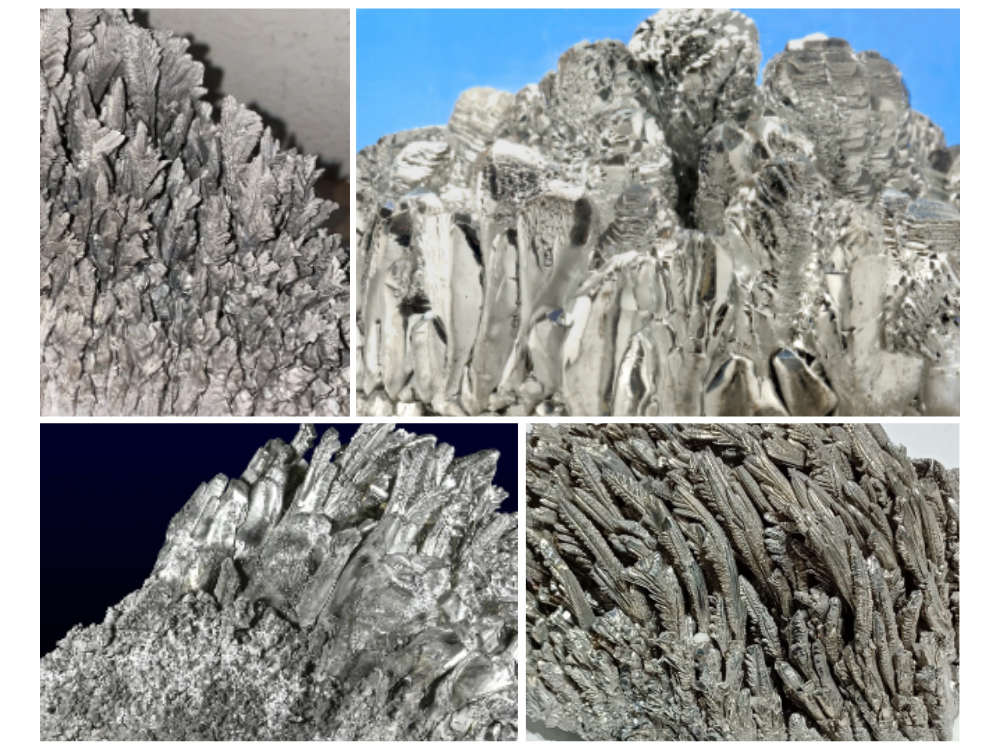
It is described as a soft, white mineral or stone. Its name is derived from Magnesia, a region of Thessaly in Greece, where magnesium compounds were historically found in natural deposits. It is also found in the water of mountains and natural springs.
Temperament:
Cold and dry, second degree.
Actions:
It is traditionally considered astringent and antiseptic.
Uses:
Because of its astringent and antiseptic properties, it is traditionally used in dental preparations. It helps reduce bleeding from the gums, supports firmer gums, and is traditionally used to help keep the teeth clean and white.
Due to its astringent properties, it may be sprinkled on fresh wounds to help control bleeding.
It is also traditionally used for excessive menstrual bleeding and other forms of abnormal uterine bleeding. It has also been used traditionally for ulcers and irritations of the kidneys and urinary bladder.
Special Benefit:
Astringent.
Harmful Effect:
Excessive use may produce excessive astringency.
Alternative:
Multani Gul.