



Introduction
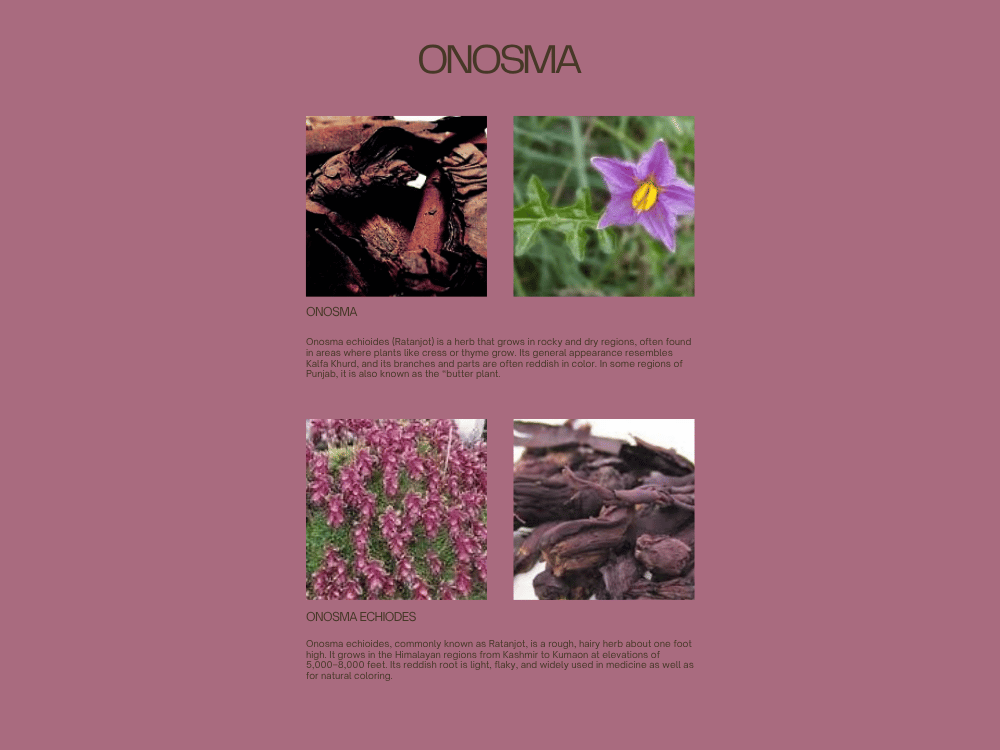
Berberis aristata is an important medicinal shrub known as Zarishk. Different species of Berberis are found across the world:
- In Europe and America: Berberis vulgaris
- In India and surrounding regions: multiple types including Berberis aristata and Berberis asiatica
- In Nepal: shrub-like varieties known as Nepalese barberry
Another variety, sometimes called Ophthalmic Barberry, grows in the Nilgiri mountains at altitudes of 6,000–8,000 feet. Generally, plants growing at higher altitudes are considered more potent.
Habitat and Growth
It is a thorny shrub growing about 6 to 15 feet high, commonly found in:
- Haripur Hazara (Pakistan)
- Kashmir, Kangra, Dehradun, Garhwal
- Himalayan foothills and mountainous regions
Morphology
Bark and Wood:
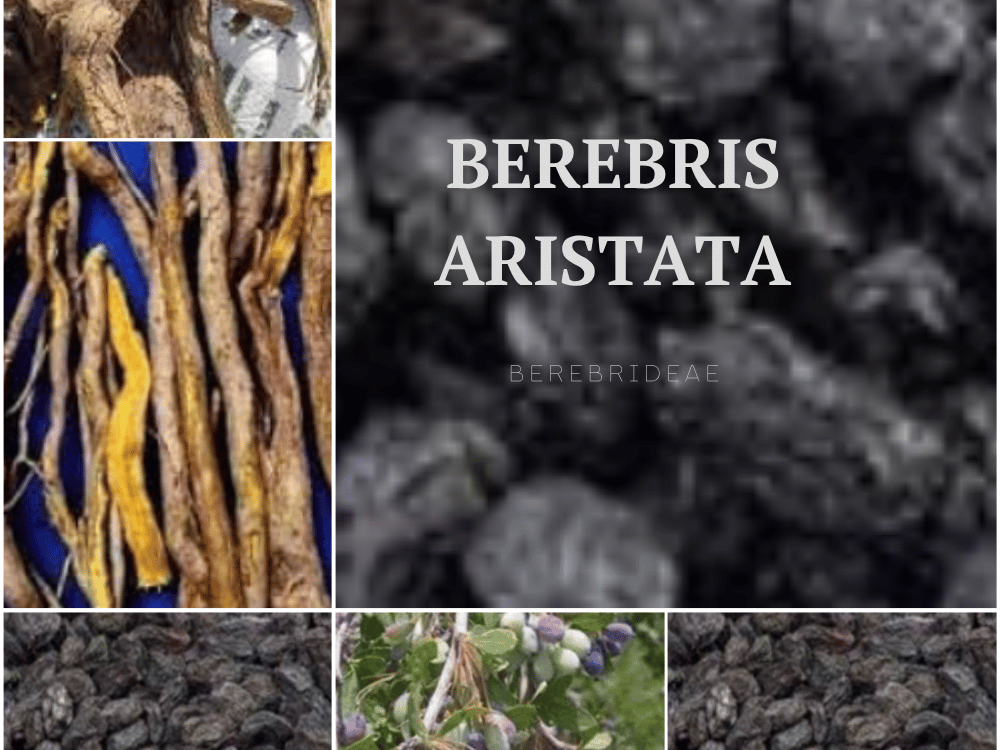
- Outer bark: Grey
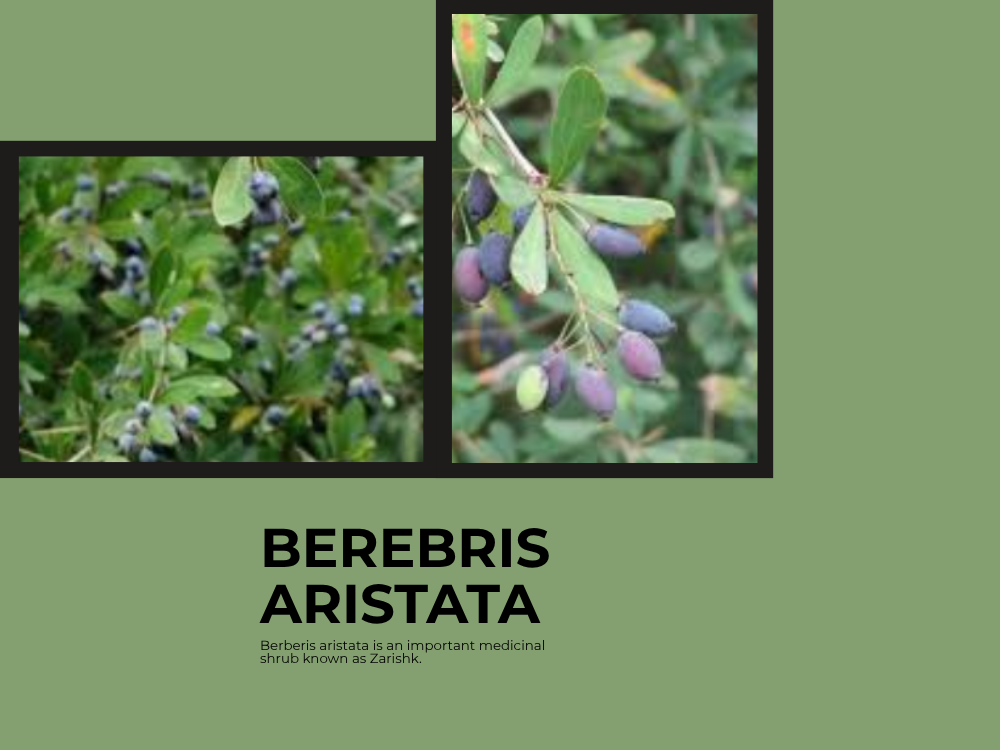
- Inner bark and wood: Deep yellow
Leaves:
- Thick, hard, and leathery
- Arranged at intervals of 2–3 inches on branches
Fruit (Berries):
- Initially green, later turn blue-black
- Taste: Sweet and sour
- Known as berries in Greek terminology
Chemical Composition
- Berberine (major active alkaloid)
- Tartaric acid
- Malic acid
- Gum and starch
- Yellow coloring matter present in root and wood (water-soluble)
- BERBERIS ARISTATA (Zarishk / Indian Barberry)
- Temperament (Unani Concept)
- Cold and dry in the first degree
- Functions (Pharmacological Actions)
- Musakkin (Soothing)
- Musaffi-e-Dam (Blood purifier)
- Anti-diarrheal
- Mild Mu’arrik (induces sweating)
- Uses
- 1. Fever:
- Its decoction induces sweating, which helps reduce fever
- Often mixed with Chirata (Swertia chirata) for enhanced effect
- 2. Injuries and Wounds:
- A paste mixed with egg white is applied to injured areas
- Helps relieve pain, reduce inflammation, and prevent clotting
- Useful in dissolving pus in abscesses
- 3. Eye Conditions:
- Wood is rubbed like sandalwood and applied as a poultice around the eyes
- Provides relief in eye pain and inflammation
- 4. Digestive Issues:
- Helpful in diarrhea due to its astringent and cooling nature
- Special Benefit
- Particularly effective in injuries and wound healing
- Harmful Effects
- May be unsuitable for individuals with hot temperament
- Corrective (Musleh)
- Orange juice
- Substitute (Badal)
- Turmeric (especially for injuries)
- Dosage
- 3 to 5 grams