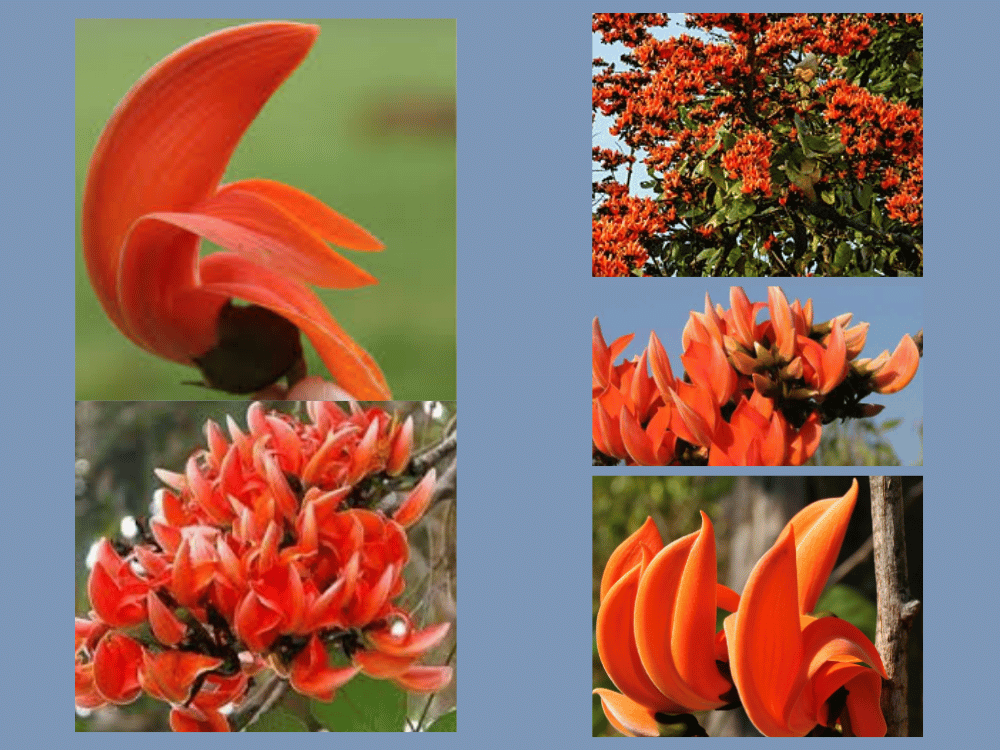





Introduction
Liquorice is a well-known medicinal plant growing up to 5–6 feet in height. It resembles the marigold plant in general appearance. Its root is the most important medicinal part, widely used in traditional systems like Unani and Ayurveda.
Morphology
Leaves:
Small, elongated, slightly pointed leaves arranged opposite each other on branches.
Flowers:
Reddish to purplish in color.
Pods:
Small, thin pods containing 2–5 seeds.
Root:
The root is the main medicinal part. After about four years, it is harvested.
- Outer color: Gray
- Inner color: Yellow
- Taste: Sweet
Both root pulp and paste are used medicinally.
Place of Origin
Cultivated in Kashmir (Chakravati farms) and also found in:
- England
- Italy
- Germany
- Russia
- Iran
- Iraq
In the Indian subcontinent, it is produced in Jammu & Kashmir and Punjab and has been used since ancient times.
Chemical Composition
- Glycyrrhizin (glycoside)
- Sugars (glucose, sucrose)
- Resin
- Starch
- Malic acid
- Succinic acid and other constituents
Temperament (Unani Concept)
Moderate (balanced), slightly hot in the first degree
Actions (Pharmacological Effects)
- Mulattif (Demulcent / soothing agent)
- Munaffis-e-Balgham (Expectorant)
- Muqawwi-e-Asab (Nervine tonic)
- Mushil (Mild laxative)
- Muqawwi-e-Bah (Aphrodisiac)
- Musakkin (Sedative)
- Daf-e-Humma (Anti-fever)

Uses
1. Respiratory System:
- Relieves dryness of chest and lungs
- Useful in cough, asthma, and throat irritation
- Improves voice clarity
2. Urinary & Reproductive System:
- Helpful in gonorrhea and burning urination
- Beneficial in kidney and bladder irritation
- Supports menstrual health
3. Digestive System:
- Mild laxative, helps remove phlegm via bowels
- Reduces irritation in the stomach
- Can induce mild expectoration of phlegm
4. Nervous System & General Health:
- Acts as a nervine tonic
- Increases physical strength and vitality
- Helpful in chronic fever and weakness
5. Eye & Oral Use:
- Used as a gargle to soothe throat
- Traditionally used for eye conditions and vision strengthening
Traditional Preparation
In Arabia and Egypt, a drink called Mai-ul-Soos is prepared by boiling liquorice. It is commonly served in gatherings and is believed to promote health and longevity.
Additional Use
The fibrous residue left after boiling can be used to make cardboard-like material.
Special Benefit
Highly effective in lung diseases and respiratory disorders
Dosage
3 to 7 grams
EXTRACTUM GLYCYRRHIZAE (Liquorice Extract)
Introduction
Extractum Glycyrrhizae is a concentrated preparation obtained from the root of liquorice (Mulethi / Asl-us-Soos). It is commonly prepared in the form of a thick paste or sticks and is widely used in traditional medicine, especially for respiratory conditions.
Recipe (Preparation Method)
- Take 1 kilogram of liquorice root (coarsely crushed).
- Soak it in 4 kilograms of water for 24 hours.
- Boil the mixture, then press and squeeze to extract the liquid.
- Add 2 kilograms of fresh water to the remaining residue.
- Boil again and squeeze thoroughly.
- Strain the combined liquid through a flannel cloth.
- Heat the filtrate gently until it becomes thick like a paste.
- Further concentrate it and shape into long sticks (wicks) or masses.
Temperament (Unani Concept)
Hot and dry in the second degree
Actions (Pharmacological Effects)
- Similar to liquorice (Mulethi)
- Demulcent (soothing)
- Expectorant
- Anti-tussive (relieves cough)
Uses
- Commonly used in cough and throat irritation
- Helps in loosening phlegm
- Soothes the respiratory tract
Special Benefit
- Highly effective for cough relief
Dosage
4 ratti to 1 grams
Common Ingredients (in compound formulations)
- Luqq Sapistan
- Cyprus chalk powder
- Cancer tablet powder (traditional preparation)
- Luqq Bedana
- Luqq Madaar, etc.