



Introduction
The uterus is one of the most important organs of the female reproductive system. It plays a central role in reproduction by providing the environment in which a fertilized egg implants, develops into a fetus, and grows until birth.
In traditional systems of medicine, the health of the uterus was considered closely connected to a woman’s overall well-being. Honey was frequently recommended as a nourishing food and included in many traditional remedies for women’s health.
Modern medicine recognizes honey as a nutritious natural food containing carbohydrates, antioxidants, and small amounts of vitamins and minerals. However, there is no scientific evidence that honey alone can treat gynecological diseases or disorders of the uterus.
The Uterus
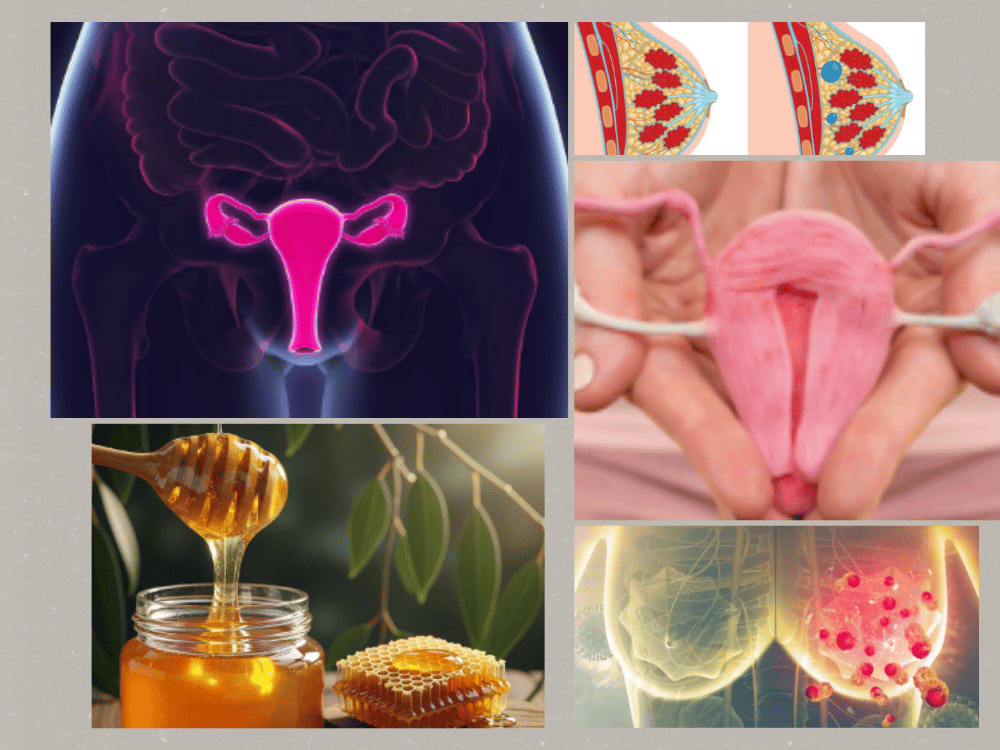
The uterus is a hollow, muscular organ located in the pelvis between the urinary bladder and the rectum. Its primary function is to support pregnancy by providing a safe environment for the developing embryo and fetus.
In a healthy adult woman who is not pregnant, the uterus typically measures approximately:
- Length: About 3 inches (7–8 cm)
- Width: About 2 inches (5 cm)
- Thickness: About 1 inch (2.5 cm)
During pregnancy, the uterus expands dramatically to accommodate the growing fetus and gradually returns toward its normal size after childbirth.
Menstruation
Menstruation is a normal part of the female reproductive cycle. During each menstrual cycle, the lining of the uterus thickens in preparation for pregnancy. If pregnancy does not occur, the lining is shed through menstrual bleeding.
Traditional medical texts viewed menstruation as a natural process that helped maintain women’s health.
Position of the Uterus
The uterus is situated in the center of the pelvic cavity.
Its neighboring organs include:
- Front: Urinary bladder
- Back: Rectum
- Sides: Ovaries, fallopian tubes, blood vessels, and supporting ligaments
The uterus is supported by several ligaments that allow a certain degree of natural movement. Its position may change slightly depending on whether the bladder or rectum is full.
Structure of the Uterus
The uterus consists of four main parts:
Fundus
The upper rounded portion of the uterus.
Body
The main central portion where pregnancy develops.
Cervix
The lower narrow portion connecting the uterus to the vagina.
Cervical Opening
The opening through which menstrual blood exits and through which the baby passes during childbirth.
The Ovaries
The ovaries are two small, almond-shaped glands located on either side of the uterus.
Their major functions include:
- Producing eggs (ova)
- Releasing hormones such as estrogen and progesterone
- Supporting the menstrual cycle
- Helping regulate fertility
Each month, one ovary usually releases a mature egg during ovulation, which travels through the fallopian tube toward the uterus.
Fertilization and Pregnancy
If a sperm fertilizes the egg, the fertilized egg travels to the uterus and implants in its lining.
The uterus then provides nourishment and protection for the developing fetus until birth.
If fertilization does not occur, the egg and the uterine lining are shed during menstruation.
The Breasts
Although the breasts are not reproductive organs in the strict anatomical sense, they play an essential role after childbirth by producing milk to nourish the newborn.
Throughout life, the breasts undergo changes influenced by hormones during:
- Puberty
- The menstrual cycle
- Pregnancy
- Breastfeeding
- Menopause
These changes reflect the close relationship between the breasts and the female reproductive system.
Traditional View of Honey in Women’s Health
Traditional medical literature describes honey as a nourishing food believed to support women’s health.
Historically, honey was thought to:
- Support general nutrition.
- Promote recovery after illness.
- Be included in herbal preparations for women’s health.
- Contribute to overall vitality.
Some traditional texts also claim that honey:
- Increases breast milk production.
- Promotes menstrual flow.
- Supports urinary function.
- Cleanses the uterus.
These beliefs are part of traditional medicine and have been passed down through generations.
What Modern Medicine Says
Honey is a nutritious natural food that contains:
- Natural carbohydrates
- Antioxidants
- Amino acids
- Trace minerals
- Plant compounds with antibacterial properties
Modern research supports the use of medical-grade honey for certain types of wound care. However, there is insufficient scientific evidence to conclude that honey can:
- Treat uterine diseases.
- Cure infertility.
- Regulate menstruation.
- Increase breast milk production.
- Cleanse the uterus.
Women experiencing irregular menstrual cycles, pelvic pain, infertility, abnormal bleeding, or other gynecological symptoms should seek evaluation from a qualified healthcare professional.
Honey and Human Health
Introduction
Blood is one of the most essential components of the human body. It transports oxygen and nutrients, removes waste products, regulates body functions, and protects the body against infections. Traditional medical literature also highlights the importance of maintaining healthy blood through proper nutrition and natural remedies, particularly honey, which has long been regarded as both a nutritious food and a valuable medicinal substance.
Composition of Blood
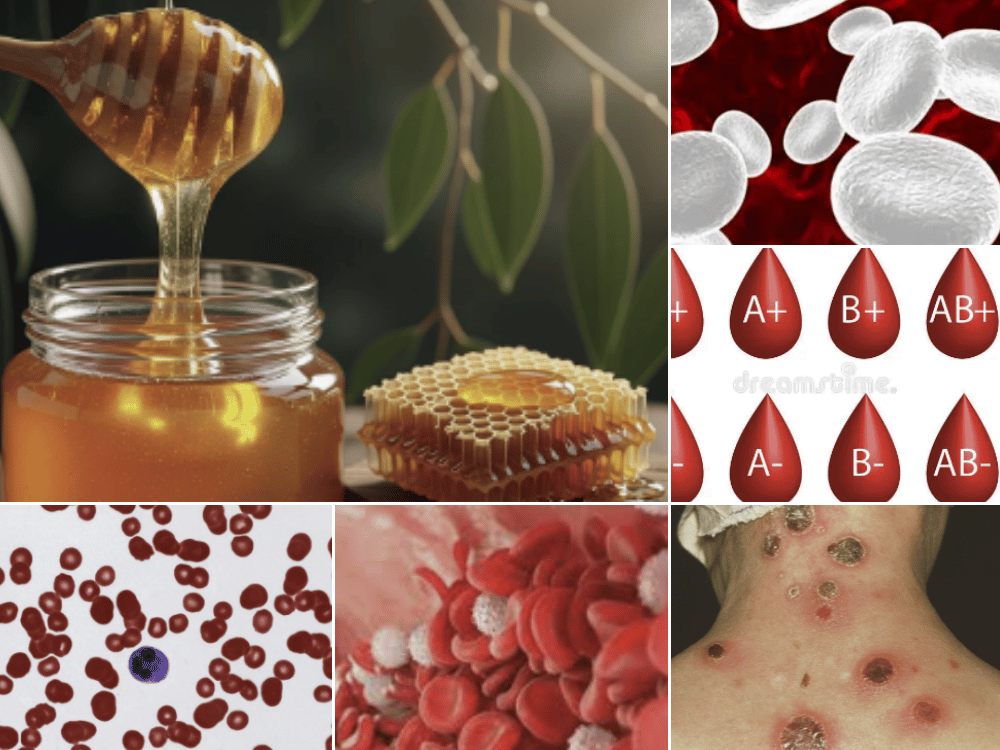
An adult human body contains approximately one and a half gallons (about six to seven quarts) of blood circulating continuously through the blood vessels. Blood accounts for nearly one-eleventh of the body’s total weight and consists of two main components: plasma and blood cells.
Plasma makes up approximately 55% of the blood and is composed primarily of water, proteins, glucose, fats, and mineral salts. It transports nutrients, hormones, and waste products throughout the body while maintaining the body’s fluid balance. Plasma proteins also play important roles in tissue growth, repair, and blood clotting.
The remaining 45% of blood consists of blood cells, including red blood cells, white blood cells, and thrombocytes (platelets). Each type performs specialized functions that are essential for maintaining health.
Red Blood Cells
Red blood cells (RBCs) are responsible for carrying oxygen from the lungs to all parts of the body and transporting carbon dioxide back to the lungs for exhalation. Their red color comes from hemoglobin, an iron-containing protein that binds oxygen.
The number of red blood cells varies according to age, sex, physical activity, and environmental conditions. Regular exercise and living at higher altitudes stimulate the body to produce additional red blood cells to meet increased oxygen demands.
Red blood cells have an average lifespan of about four months. As old cells are removed by the spleen, liver, and bone marrow, new cells are continuously produced in the bone marrow to replace them. A balanced diet rich in protein, iron, vitamins B12 and C, and folic acid supports healthy red blood cell production.
White Blood Cells
White blood cells (WBCs) are the body’s natural defense system. They protect against bacteria, viruses, fungi, and other harmful microorganisms.
Different types of white blood cells perform specialized functions. Some destroy invading microbes directly, while others produce antibodies or remove damaged cells and tissues. During infections, the number of white blood cells increases as the immune system responds to protect the body.
Thrombocytes (Platelets)
Thrombocytes, commonly known as platelets, are responsible for preventing excessive bleeding. Whenever a blood vessel is damaged, platelets quickly gather at the site of injury to form a temporary plug and initiate the blood-clotting process.
Although platelets have a relatively short lifespan, they are continuously produced by the bone marrow to ensure proper blood clotting and wound healing.
Blood Groups
Human blood is classified into four major blood groups: A, B, AB, and O. Blood is also categorized as Rh-positive (Rh+) or Rh-negative (Rh−).
Proper blood group matching is essential during blood transfusions to prevent serious complications. Traditional medical writings also emphasize the importance of understanding blood groups before marriage and blood donation.
Honey and Blood Health
For centuries, honey has been valued in traditional medicine as a nourishing food believed to support healthy blood formation and purification. It contains natural sugars, enzymes, minerals, antioxidants, and trace nutrients that contribute to overall health and vitality.
Traditional practitioners frequently combined honey with milk, herbs, and other natural ingredients to promote strength, improve circulation, and aid recovery after illness.
Honey and Infectious Diseases
Traditional medical literature recommends honey as part of various herbal preparations used for conditions such as typhoid, syphilis, leprosy, and other chronic illnesses. Honey has historically been regarded as a natural substance that supports healing and promotes recovery when used alongside herbal remedies.
Honey and Men’s Health
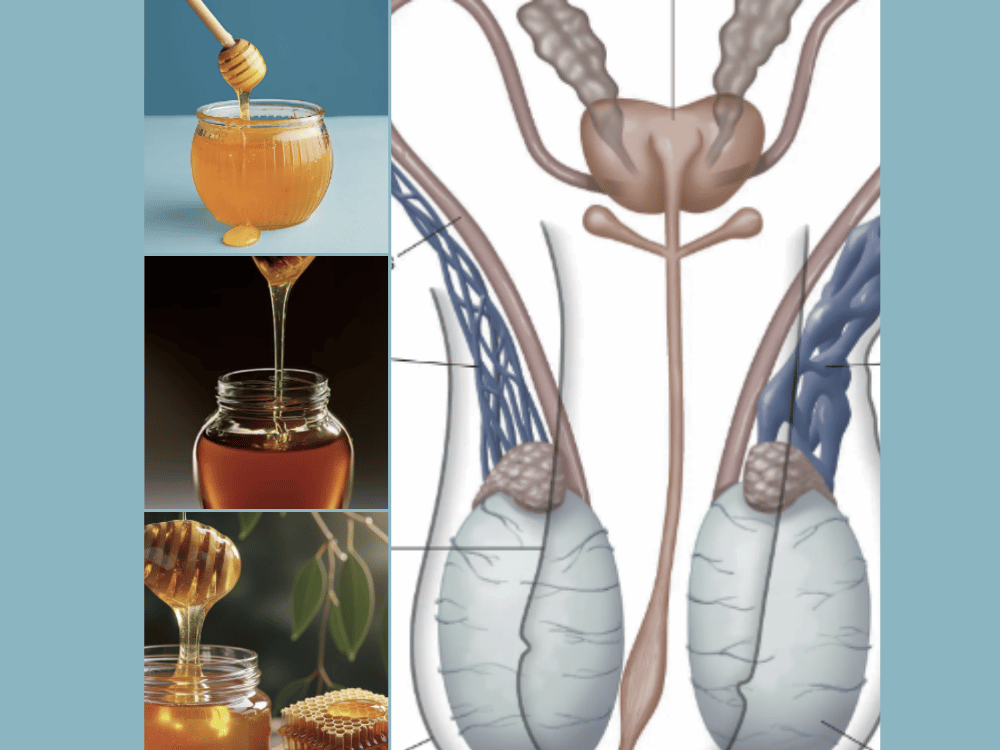
Honey has traditionally been considered a natural tonic for men. It has been used in many herbal formulations intended to improve physical strength, stamina, vitality, and reproductive health.
Traditional remedies often combine honey with milk, onions, saffron, ginger, walnuts, eggs, cinnamon, and other herbs to promote energy and support overall well-being. Healthy lifestyle habits, balanced nutrition, and moderation have also been emphasized as important factors in maintaining reproductive health.
Honey and Women’s Health
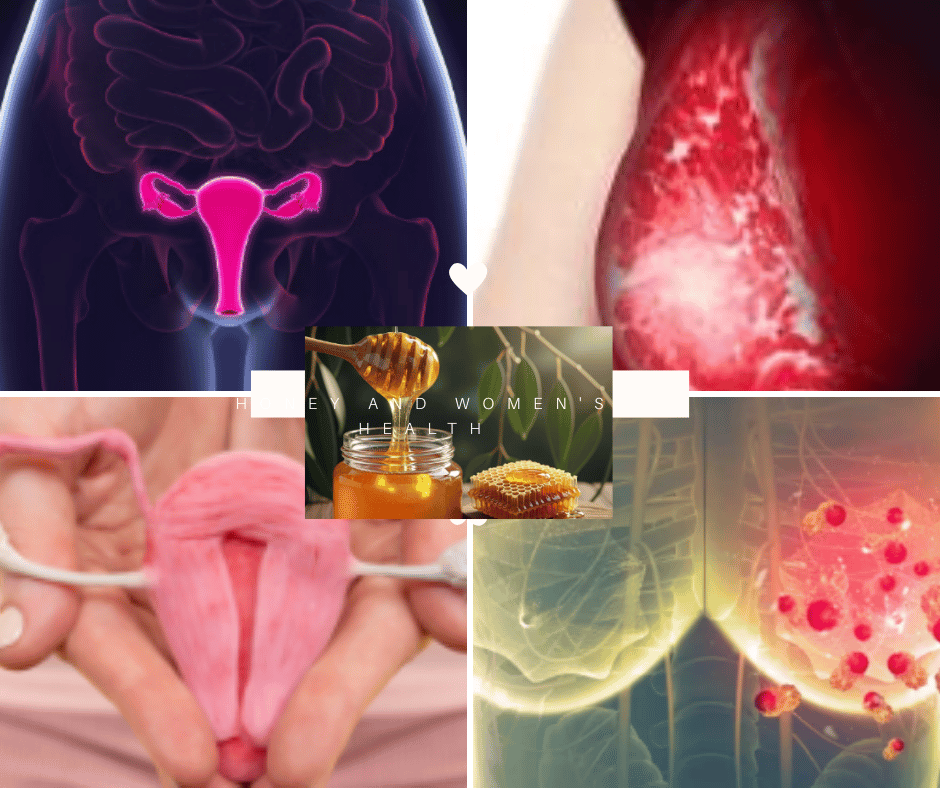
Honey has also been widely used in traditional medicine to support women’s health. It has been included in preparations intended to promote uterine health, regulate menstruation, support pregnancy, and aid recovery after childbirth.
Various herbal mixtures containing honey have traditionally been recommended for conditions such as uterine weakness, abnormal discharge, menstrual irregularities, and general reproductive health.
Honey in Traditional Remedies for Women’s Health
Traditional Approaches to Uterine Disorders
For centuries, traditional systems of medicine have regarded honey as an important natural ingredient in remedies for women’s health. It was commonly combined with herbs, flowers, seeds, and other plant-based ingredients in preparations intended to support general well-being and reproductive health.
Traditional healers believed that honey possessed cleansing, nourishing, and soothing properties. It was frequently incorporated into herbal mixtures intended to support uterine health and overall vitality.
Traditional Remedies for Uterine Inflammation
Historical medical texts describe herbal preparations containing ingredients such as rose flowers, chamomile, gooseberry, marjoram, anise, and honey. These formulations were traditionally prepared by soaking or boiling the herbs in water before combining them with honey.
Such preparations were believed to support the body’s natural healing processes and were used in traditional practice for various uterine complaints.
Traditional Remedies for Uterine Swelling
Honey was also used with herbs such as rhubarb in traditional medicine. Practitioners believed these preparations helped cleanse the uterus and promote comfort. These remedies reflected the medical understanding of their time and formed part of historical herbal practice.
Traditional Views of Uterine Disorders
Classical medical literature describes several conditions believed to originate from disturbances of the uterus. Symptoms were said to include abdominal discomfort, back pain, unusual discharge, fatigue, and general weakness. Traditional healers emphasized identifying the underlying cause before selecting an appropriate herbal treatment.
Traditional Herbal Preparations
Numerous herbal combinations containing honey were recommended for women’s reproductive health. Ingredients frequently mentioned include violets, raisins, fenugreek, gooseberries, star anise, rose water, and other medicinal plants. These mixtures were intended to nourish the body and support general health according to traditional medical principles.
Traditional Beliefs About Fertility
Historical medical texts often describe honey as a nourishing food believed to strengthen the reproductive system. Honey was commonly mixed with milk, clarified butter (ghee), and various herbs in preparations intended to promote fertility and improve general health.
These remedies reflect the beliefs and practices of traditional medicine rather than modern scientific evidence.
Traditional Perspectives on Menstrual Health
Traditional physicians considered regular menstruation an important indicator of women’s health. Honey was frequently recommended as part of the diet and included in herbal syrups intended to support menstrual comfort and overall well-being.
Various herbs, spices, and seeds were combined with honey to prepare syrups that were traditionally believed to promote menstrual health and relieve discomfort.
Traditional Herbal Syrups
Many historical texts describe complex herbal syrups prepared from numerous medicinal plants together with honey. These syrups were regarded as strengthening tonics and were traditionally used to support women’s health and vitality.