



Introduction
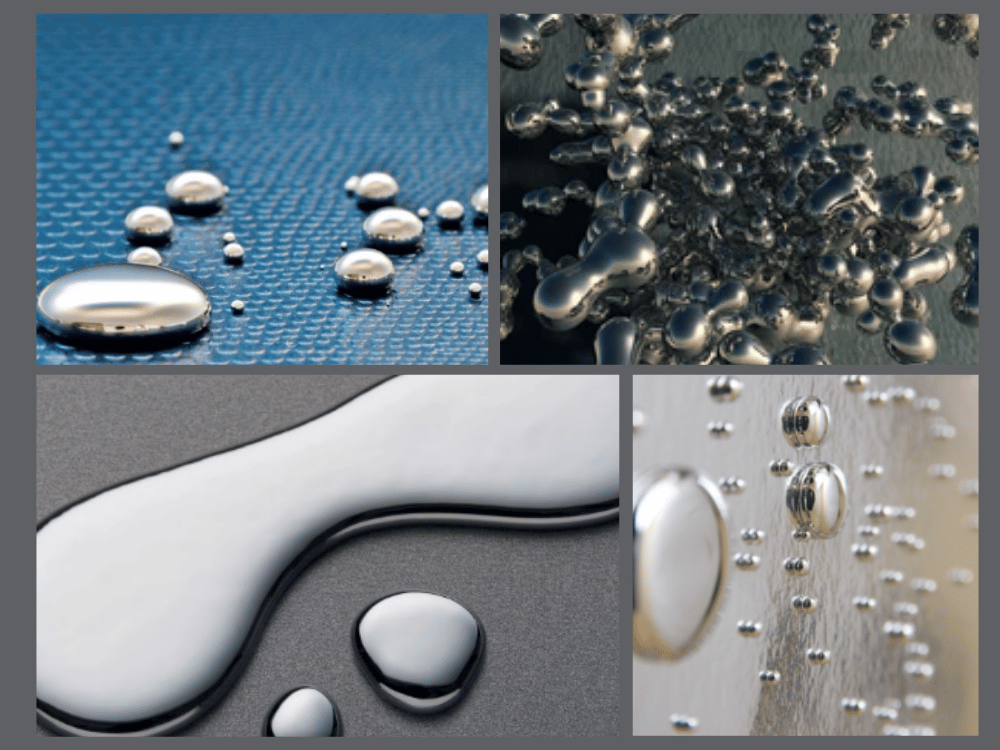
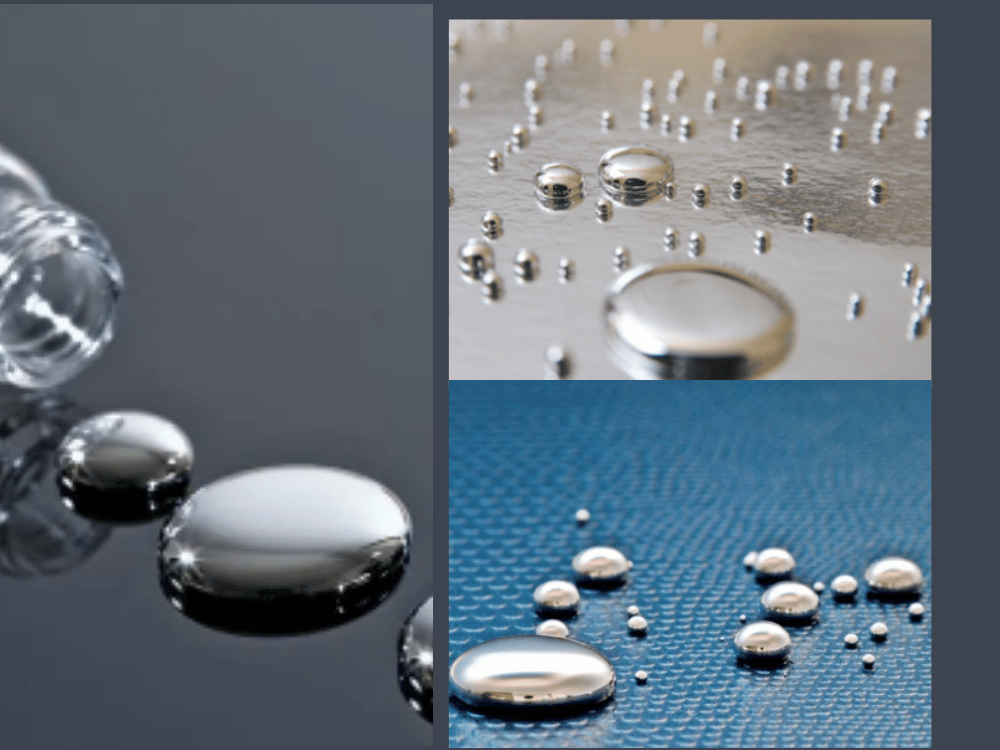
Mercury is a unique metallic element known for being liquid at ordinary temperatures. It has a bright silvery-white appearance and has been used historically in traditional medicine, alchemy, and metallurgy. In ancient systems of medicine such as Ayurveda and Unani medicine, mercury was considered a powerful medicinal substance and was included in many mineral preparations.
Traditionally, mercury was regarded as a rejuvenating and strengthening agent. However, modern science recognizes that mercury is highly toxic if improperly used, especially in its raw or vaporized forms.
Physical Characteristics
Mercury is:
- A silvery-white liquid metal
- Heavier than most metals except gold and platinum
- Approximately thirteen times heavier than water
It has several unusual physical properties:
- Freezes at very low temperatures
- Boils at about 662°F (350°C)
- Produces toxic vapors when heated
At extremely low temperatures, mercury solidifies and can even be shaped into thin sheets.
Natural Occurrence
Pure mercury is rarely found in nature. It usually occurs combined with other substances such as:
- Sulfur
- Gold
- Silver
- Oxygen
- Chlorine
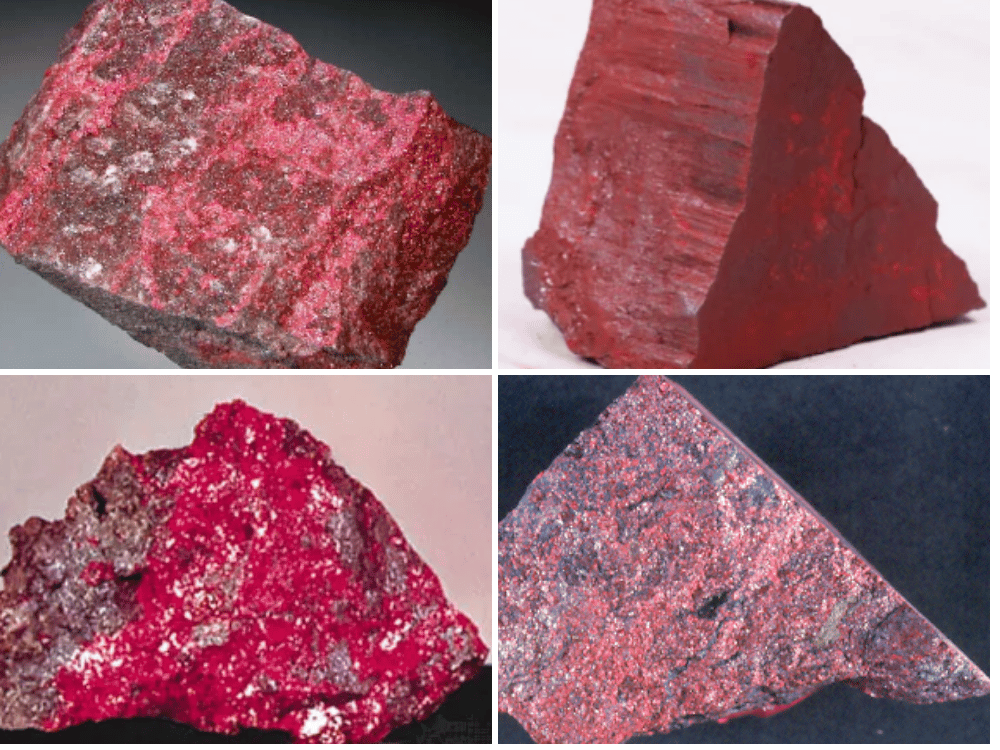
The most common natural form is:
- Mercuric Sulfide (Cinnabar Ore)
This mineral has historically been the primary source for extracting mercury.
Place of Origin
Mercury has traditionally been obtained from large mining regions in:
- United States
- Peru
- China
- Australia
- Spain
Historically, it was imported into many countries for medicinal and industrial use.
Traditional Medicinal Properties
In traditional medicine, mercury was described as possessing the following actions:
- Tonic
- Body strengthener
- Blood purifier
- Germicidal agent
- Anti-inflammatory
- Astringent
- Stimulant
- Emetic in certain preparations
Because of its strong effects, it was usually administered only after careful purification and processing.
Traditional Uses of Mercury
Use in Ayurveda and Rasashastra
In Ayurvedic medicine, mercury was considered highly important and was classified as a Rasayana (rejuvenating substance). Many mineral and metallic preparations were made using purified mercury.
It was traditionally used in the treatment of:
- Chronic cough
- Asthma
- Joint pain
- Paralysis
- Tremors
- Nervous spasms
- Cold-related disorders
Mercury preparations were believed to strengthen the body and improve vitality.
Use in Blood and Skin Disorders
Traditional physicians also prescribed mercury for:
- Blood disorders
- Chronic fever
- Leprosy
- Skin diseases
- Itching
- Ringworm
- Ulcers
Mercury compounds were commonly added to ointments and topical applications for skin conditions.
Use in Digestive and Weakness Disorders
Mercury-based medicines were also administered in:
- Tuberculosis
- Dysentery
- Constipation
- Weakness of the heart
- General physical debility
Traditional practitioners believed properly processed mercury enhanced strength and improved resistance to disease.
Processing and Purification
Raw mercury was considered dangerous and harmful if used directly. Traditional systems emphasized the importance of purification and processing before medicinal use.
Mercury was usually:
- Converted into Kushta (calcined preparation)
- Mixed with herbal ingredients
- Processed using special purification techniques
Improperly processed mercury was believed to cause:
- Boils
- Ulcers
- Toxic reactions
Therefore, only purified and specially prepared mercury compounds were considered suitable for medicinal use.
Traditional Dosage
Traditional dosage recommendations were extremely small because of mercury’s powerful nature:
- One to two rice-grain equivalents
Such preparations were administered carefully under expert supervision.
Traditional Preparations
Several classical medicinal preparations containing mercury were historically used, including:
- Mercury Kushta
- Mercury ointments
- Compound mineral medicines
- Strengthening tonics
These formulations were prescribed in highly controlled quantities.
Modern Scientific Perspective
Modern medicine recognizes mercury as a highly toxic substance. Exposure to mercury or its vapors can seriously damage:
- The nervous system
- Kidneys
- Lungs
- Brain
Because of these risks, medicinal use of mercury is now highly restricted and carefully regulated.
Traditional mercury preparations should never be used without proper expertise and safety evaluation.