



Introduction
Santonin is a traditional medicinal substance obtained from certain aromatic plants related to wormwood species. It has historically been used in herbal and Unani medicine primarily as a powerful remedy for intestinal worms.
The substance is known for its bitter taste, aromatic odor, and strong medicinal action. Although widely used in earlier medical systems, santonin is now recognized as a potent compound that must be used carefully because excessive doses may produce toxic effects.
Botanical Description
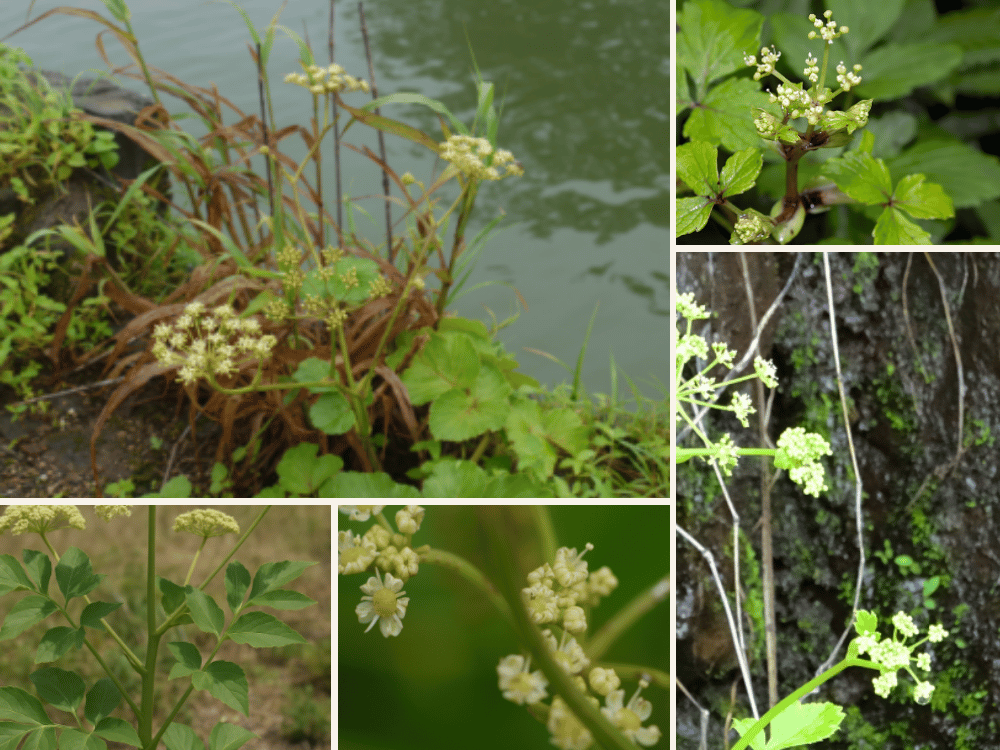
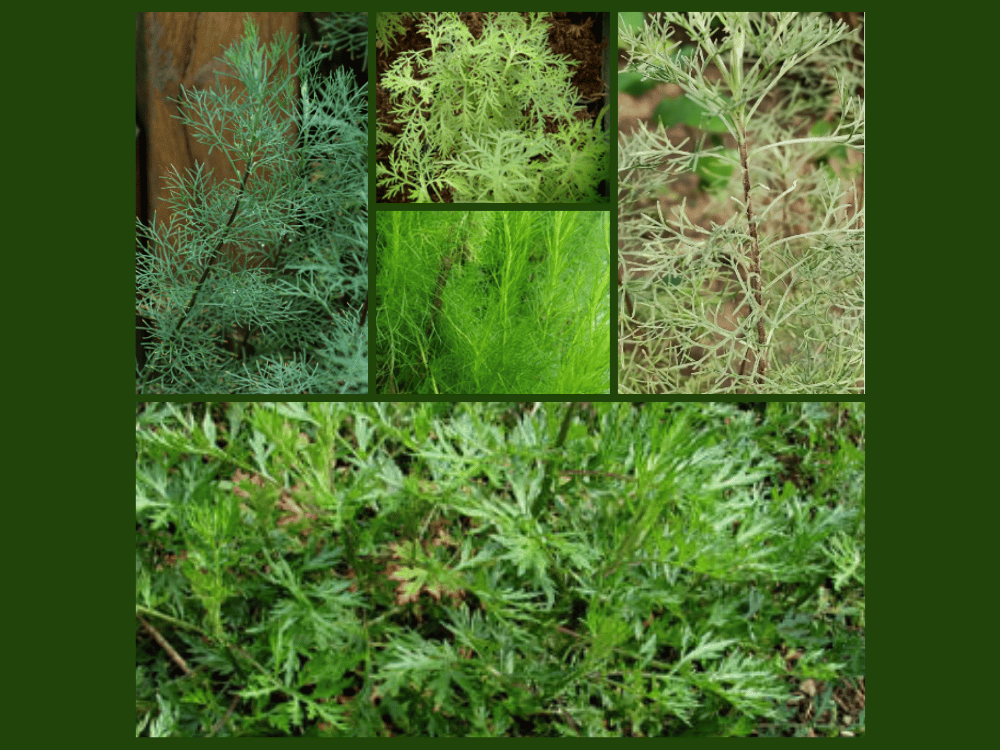
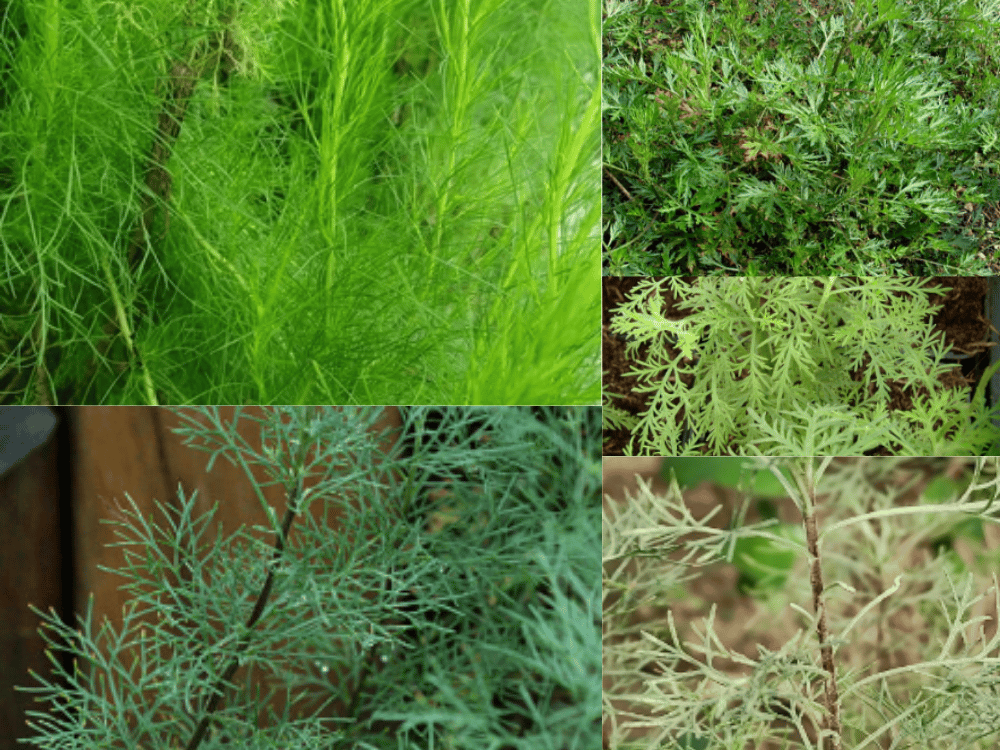
The plant associated with santonin resembles soybean or wormwood-type herbs in appearance. It produces:
- Bitter and aromatic flowers
- Sharp and pungent taste
- Small leaves and seeds resembling soybean, though slightly larger
The medicinal compound is mainly obtained from the dried flower buds of the plant.
Place of Origin
Plants producing santonin are traditionally found in:
- Turkestan
- Persia (Iran)
- Kerman region
- Kashmir
Several varieties of the plant are reported from Central and South Asia.
Chemical Constituents
The upper flowering portion of the plant contains:
- Santonin (Santonica) — the principal active compound
- Aromatic volatile substances
Santonin is described as:
- Colorless in pure form
- Slightly bitter in taste
- More soluble in alcohol than water
Exposure to sunlight gradually turns the substance yellow.
Temperament in Unani Medicine
According to Unani medicine, santonin possesses the following temperament:
- Hot and dry in the third degree
Because of its strong and penetrating action, it was used cautiously and in small doses.
Medicinal Properties
Traditional physicians described santonin as having the following actions:
- Stomach worm killer
- Anthelmintic (kills intestinal parasites)
- Mild laxative
- Astringent
- Phlegm remover
- Anti-inflammatory
- Menstrual stimulant
- Wound-drying agent
- Fever-relieving agent in chronic fevers
Its strongest traditional application was in the treatment of intestinal worms.
Traditional Uses of Santonin
Treatment of Intestinal Worms
Santonin was especially valued for eliminating:
- Stomach worms
- Intestinal parasites
- Roundworms
Traditional physicians considered it one of the most effective herbal worm remedies.
Use for Hair and Scalp Conditions
When burned in sesame oil and applied externally, santonin preparations were believed to:
- Remove oily dandruff
- Improve scalp cleanliness
- Soften the hair
This external application was commonly used in traditional remedies.
Digestive Disorders
The decoction of the plant was traditionally used for:
- Stomach swelling
- Dysentery
- Digestive weakness
- Gas-related discomfort
Its warming and astringent properties were believed to strengthen digestion.
Skin and Wound Applications
Because of its drying and astringent nature, santonin was used for:
- Skin blemishes
- Wound drying
- Improving skin appearance
Traditional medicine believed it helped brighten and cleanse the skin.
Menstrual Disorders
Santonin was also administered in certain menstrual conditions such as:
- Menstrual cramps
- Delayed menstruation
- Menstrual obstruction
Its warming nature was thought to stimulate circulation.
Effects on the Body
Effects on Blood
Traditional descriptions state that santonin is slightly absorbed into the bloodstream and circulates in the body after administration.
Effects on the Nervous System
One of the most unusual effects of santonin is its action on vision and the nervous system.
After therapeutic doses, some patients may temporarily experience:
- Blue-colored vision
- Yellow-colored vision
- Disturbance of smell and taste
These visual changes are historically associated with santonin toxicity and excessive use.
Effects on the Kidneys and Urinary System
Santonin is mainly excreted through the kidneys. Excessive use may lead to:
- Frequent urination
- Painful urination
- Irritation of the urinary system
Traditional texts also mention difficulty in urination under certain conditions.
Toxic Effects
Large doses of Santonin can be dangerous and may produce serious toxic effects, including:
- Chills and coldness of the body
- Trembling
- Respiratory depression
- Heart weakness
- Collapse in severe poisoning cases
Because of these risks, santonin must be used cautiously and only in controlled amounts.
Special Benefit
Traditional medicine especially regarded santonin as:
- A powerful remedy for intestinal worms
Harmful Effects
Traditional texts mention that excessive use may adversely affect:
- The stomach
- The brain and nervous system
Traditional Corrective
Certain herbal substances were traditionally combined with santonin to reduce its harmful effects and improve tolerance.
Alternative Remedy
Traditional practitioners sometimes used:
- Thermos and other worm-expelling herbs as alternatives to santonin