




Introduction
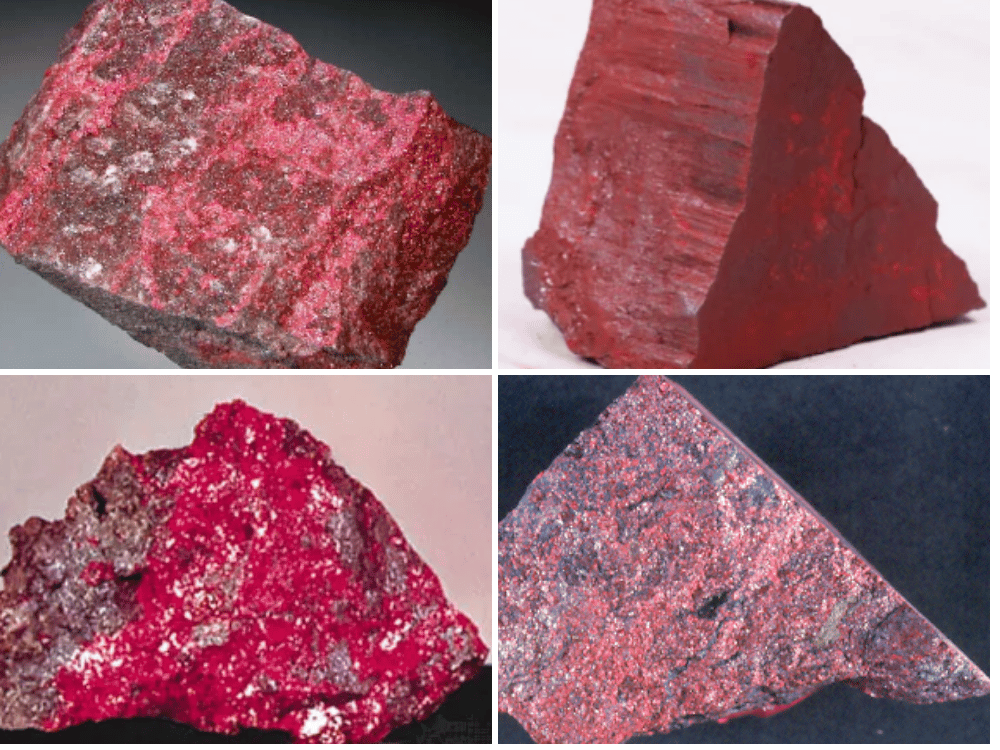
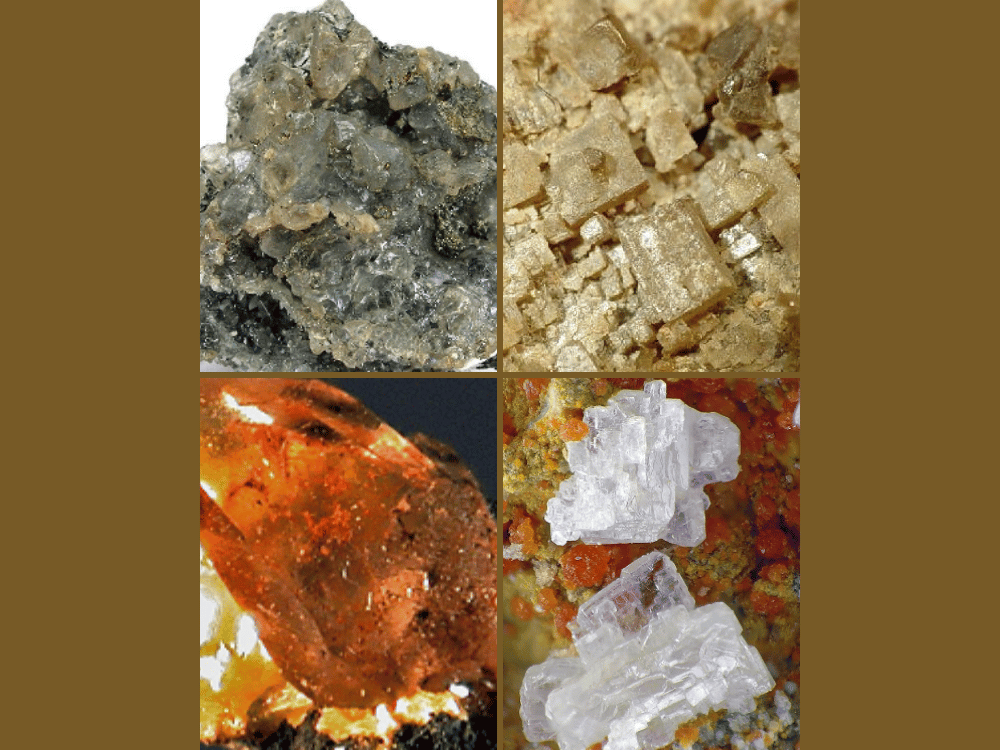
Hydrargyri Perchloridum, commonly known as Mercuric Chloride, is a powerful mercury-based chemical compound historically used in traditional and early medical systems for its antiseptic and disinfectant properties.
In classical medicine, it was valued for treating severe infectious and chronic diseases, particularly skin disorders and venereal diseases. However, because of its highly poisonous nature, it was always administered in extremely small quantities and with great caution.
Modern medicine now recognizes mercuric chloride as a highly toxic substance.
Traditional Preparation
Historically, Hydrargyri Perchloridum was prepared by heating and processing various mineral substances together.
Traditional methods included combining:
- Mercuric sulfate
- Sodium chloride
- Magnesium dioxide
These substances were heated under controlled conditions to produce the medicinal compound.
Traditional Native Preparation
Some traditional formulations also included:
- White arsenic
- Mercury
- Additional mineral ingredients
The mixture was finely ground, sealed in an iron vessel, heated for several days, and later purified for medicinal use.
Because of the dangerous nature of these substances, preparation required expert knowledge and extreme care.
Physical Characteristics
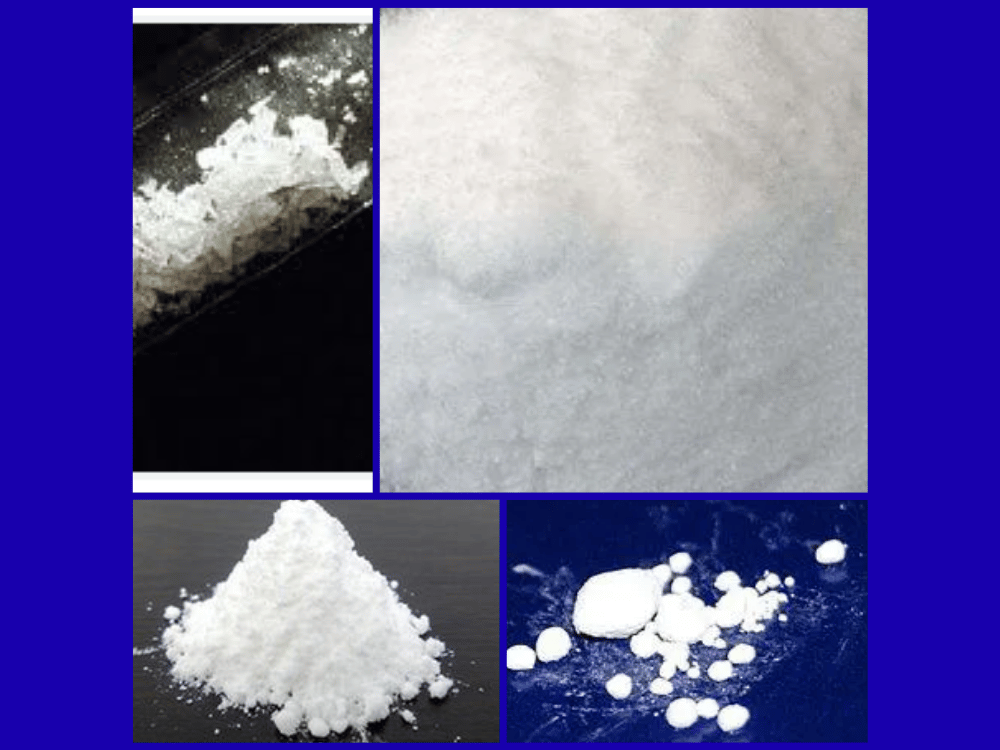
Hydrargyri Perchloridum is described as:
- White in color
- Shiny in appearance
- Heavy in weight
It dissolves:
- Moderately in cold water
- More easily in hot water
- In alcohol
- In glycerin
These properties allowed it to be used in liquid preparations and ointments.
Temperament in Unani Medicine
According to Unani medicine, this compound possesses the following temperament:
- Cold and dry in the fourth degree
Because of its strong drying and penetrating action, it was used carefully and in extremely small doses.
Medicinal Properties
Traditional physicians described the compound as having several actions, including:
- Antiseptic
- Anti-infective agent
- Ulcer-drying agent
- Blood purifier
- Tissue cleanser
- General tonic in processed form
Its strongest reputation was as a disinfecting and purifying medicine.
Traditional Uses
Venereal and Infectious Diseases
Hydrargyri Perchloridum was historically used in the treatment of:
- Syphilis
- Gonorrhea
- Leprosy
- Chronic infectious conditions
Its purified essence was administered internally in carefully controlled amounts.
Chronic Wounds and Ulcers
Because of its antiseptic and drying properties, it was widely applied externally for:
- Chronic ulcers
- Infected wounds
- Syphilitic sores
- Non-healing skin lesions
Ointments prepared from the compound were used to cleanse and dry diseased tissue.
Blood Purification
Traditional medicine considered this compound a powerful:
- Blood purifier
It was believed to remove impurities associated with chronic skin and infectious diseases.
Toxicity and Harmful Effects
Modern science recognizes Hydrargyri Perchloridum as highly poisonous.
Improper use may damage:
- Kidneys
- Nervous system
- Digestive tract
- Liver
Large doses can cause severe poisoning and may be fatal.
For this reason, medicinal use of mercuric chloride is now extremely restricted.
Traditional Correctives
Traditional practitioners recommended supportive substances to reduce irritation and toxicity, including:
- Milk
- Ghee (clarified butter)
These were believed to lessen the harmful effects of the compound.
Traditional Dosage
Because of its potency and toxicity, only extremely small amounts were prescribed:
- One to two rice-grain equivalents
Administration required expert supervision.
Special Benefit
Traditional medicine especially regarded this compound for:
- Purifying the blood and treating chronic infections