




Introduction
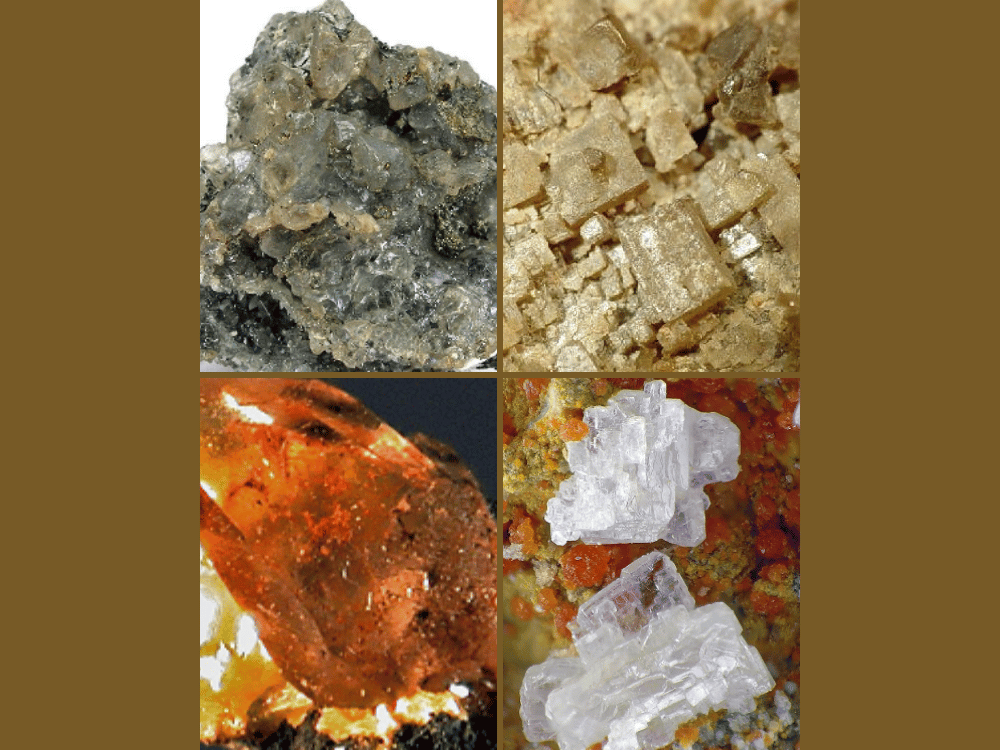
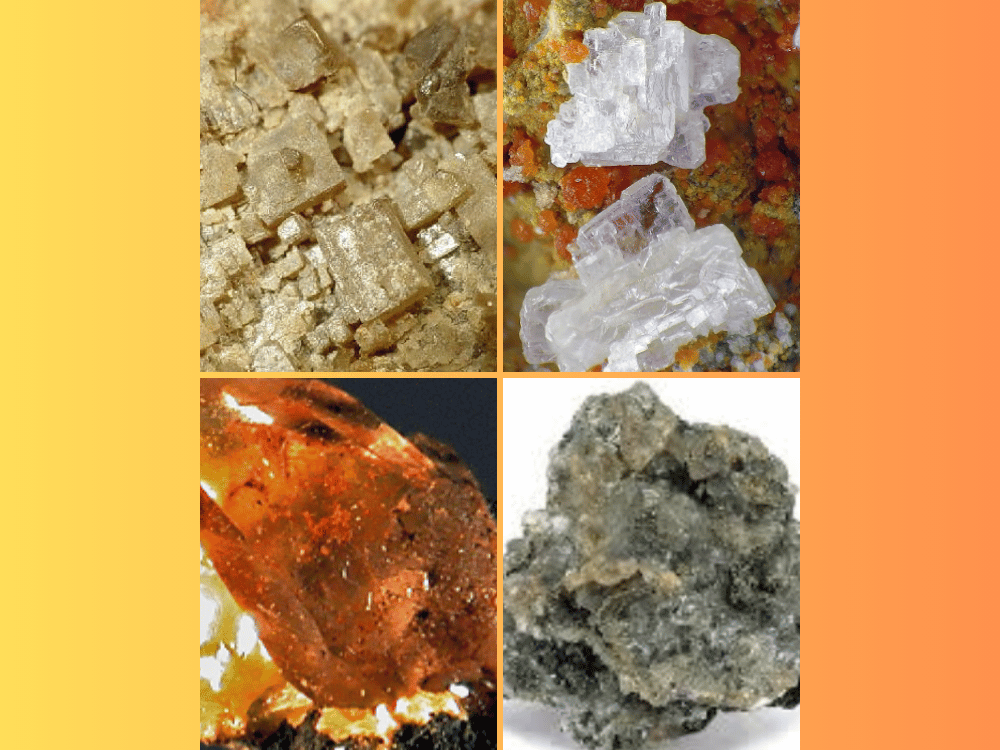
Hydrargyri Subchloridum, commonly known as Calomel, is a mercurous chloride compound that has been historically used in traditional and classical medicine. It exists in both natural and artificial forms, though the artificially prepared form is more commonly used in practice.
Types
Hydrargyri Subchloridum is classified into two types:
- Natural Form
This type is mentioned by classical scholars, including the author of Umadat al-Muhtajah. It is found in small quantities in regions such as Spain. - Artificial Form
This is the commonly used form and is prepared through chemical or traditional indigenous methods.
Preparation
Modern Preparation
It is prepared by heating a mixture of:
- Mercury
- Mercuric sulfate
- Sodium chloride
This process produces mercurous chloride (Calomel).
Indigenous Preparation
The traditional method involves the following ingredients:
- Mercury
- Armenian bole (Yagiro)
- Alum
- Rock salt (Lahori salt)
Procedure:
- Take equal quantities (three tolas each) of all ingredients.
- Grind them thoroughly and make a paste using water.
- Dry the paste.
- Place it in a clay saucer previously treated with Dhatura water.
- Add a layer of salt at the bottom.
- Cover it with another clay saucer and seal it properly with clay paste.
- Heat continuously using wild apple wood for three days.
- After heating, a substance resembling pen-like deposits forms on the sides of the saucers. This product is known as Raskpur.
Physical Properties
- Appearance: Heavy, fine powder
- Color: Pure white
- Taste: Tasteless
- Solubility: Insoluble in water, alcohol, and ether
- Behavior on heating: Evaporates when heated
Temperament
- Hot and dry in the third degree
Pharmacological Actions
- Soothing (mild sedative effect)
- Blood purifier
- Astringent
- Tonic (especially for metabolic activity)
- Anti-infective
- Ulcer-healing agent
Medicinal Uses
Hydrargyri Subchloridum has been traditionally used in the treatment of:
- Malignant ulcers
- Chronic gonorrhea
- Urinary tract wounds
- Leprosy
Special Benefit
- Considered particularly effective in the treatment of syphilis in traditional systems of medicine.
Correctives (Musleh)
To reduce its harmful effects, it is administered with:
- Ghee
- Milk
Toxicity and Harmful Effects
- Highly toxic if used improperly
- Excessive use may lead to mercury poisoning
Dosage
- Traditionally administered in very small, controlled amounts
- Often combined with other substances like Essence of Sikpur
- Dietary accompaniment may include rice (two to four small portions)
Additional Ingredients Used with It
- Barley
- Sikpur (Essence of Sikpur)
- Kala essence