



Introduction
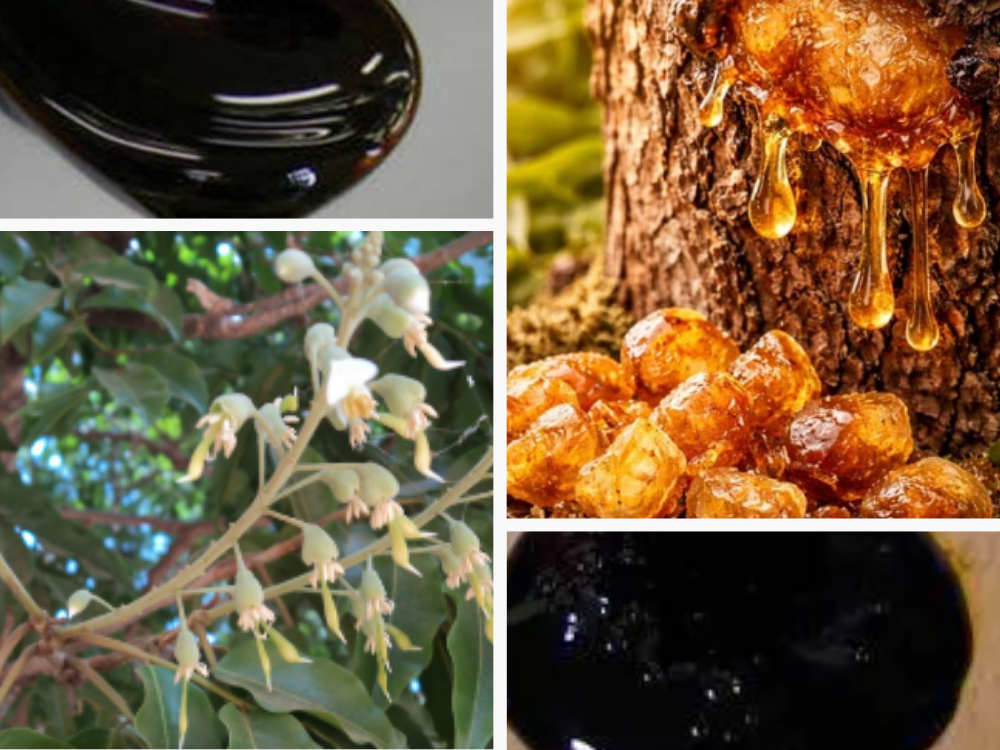
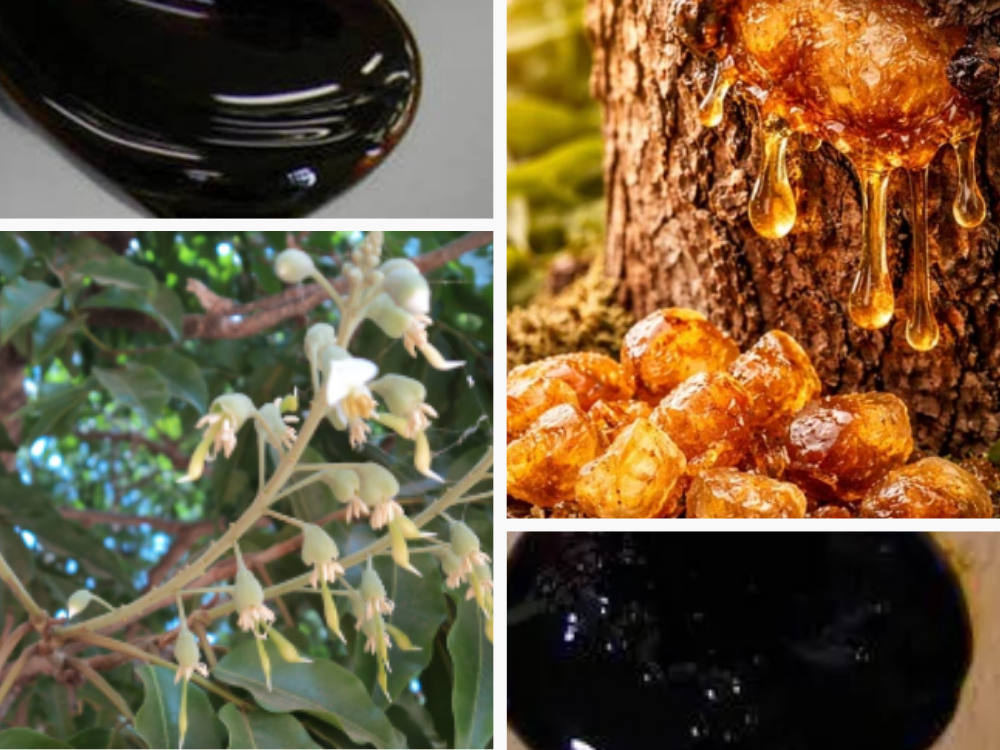
Balsam is a medicinal substance obtained from certain trees. Its wood is known as Ood-e-Balsan, its resinous oil as Balsan (Balsam), and its seeds as Hubb-e-Balsan.
Balsam oil is a semi-solid or liquid substance that exudes naturally from certain trees or is obtained by making incisions in their trunks.
There are two traditional categories of balsam oil. The first contains benzoic acid and cinnamic acid, along with other constituents, and is associated with varieties found in Makkah and Peru. The second is described in traditional sources as a “false” type that lacks benzoic acid; Balsam Copaiba is included in this category.
Chemical Constituents
The reported chemical constituents of tolu balsam include:
- Toluene
- Benzoic acid
- Cinnamic acid
- Tolu-resinotannol
- Benzyl cinnamate
- Benzyl benzoate
- Ditylene
Physical Characteristics
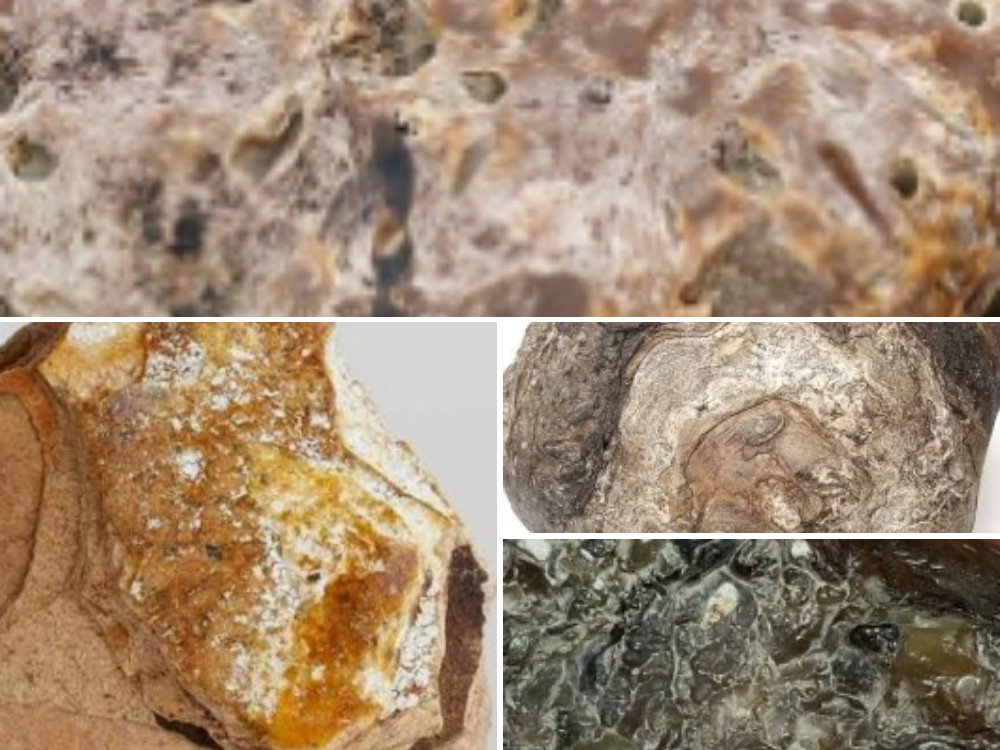
Balsam oil is a soft, sticky, semi-solid substance with a reddish-yellow color. It hardens in cold weather and has a pleasant, slightly tart aroma.
Temperament
Generally described as hot and moist, second degree. Some sources classify it as hot and dry, at the third degree.
Actions and Properties
Traditionally, balsam oil is described as having the following properties:
- Brain and nerve tonic
- Resolvent
- Wound cleanser
- Desiccative (drying)
- Aphrodisiac
- Expectorant
- Anthelmintic (traditionally used against intestinal worms)
- Carminative
- Stimulant
Traditional Uses
Because of its traditionally described stimulating, resolvent, and brain- and nerve-tonic properties, balsam oil is used in Unani medicine for various phlegmatic disorders, including paralysis, facial paralysis (Bell’s palsy), epilepsy, tetanus, and numbness.
As an expectorant, it is traditionally used for asthma and coughs. Its stimulating and carminative properties are also associated with traditional use for respiratory complaints, including chronic cough. It is believed to stimulate the mucous membranes of the respiratory tract and help clear accumulated secretions.
Balsam oil has also been used traditionally for external conditions. Its insecticidal properties have led to its use against lice and parasitic mites, while topical applications have been described for scabies. Traditional preparations may combine it with butter.
It has also been used in traditional medicine for ulcers and chronic sores associated with gonorrhea.
Specific Benefit
It has traditionally been associated with the treatment of gonorrhea.
Harmful Effects and Precautions
Traditional sources caution against its use during pregnancy. It should not be used during pregnancy without medical advice.
Traditional Dosage
0.97–1.46 g.
This is a conversion of the traditional dosage, not a recommendation for modern use.
Hubb-e-Balsan (Balsam Seeds)
Description
“Hubb-e-Balsan” refers to the seeds of the balsam tree.
Temperament
Hot and dry, second degree.
Actions and Properties
Traditionally, balsam seeds are described as having the following properties:
- Expectorant
- Emmenagogue (traditionally used to promote menstruation)
- Brain cleanser
- Stomach tonic
- Warming agent
Traditional Uses
Like balsam oil, the seeds are traditionally used to strengthen the stomach and address certain brain-related complaints and chronic coughs.
They have also been used traditionally for suppressed menstruation.
Specific Benefit
Stomach tonic.
Traditional Dosage
2.9–4.9 g.
This is a historical dosage conversion, not an established modern therapeutic dose.
Ood-e-Balsan (Balsam Wood)
Description
Ood-e-Balsan consists of dried pieces of balsam wood. The pieces are heavy and reddish-brown in color.
Temperament
Hot and dry, third degree.
Actions and Properties
Traditionally, balsam wood is described as a tonic that helps clear cerebral secretions, including mucus and other accumulated fluids.
Traditional Uses
Balsam wood is traditionally used for conditions similar to those treated with balsam oil. These include phlegmatic cough, asthma, disorders associated with excess phlegm, and vertigo.
Specific Benefit
Traditionally regarded as beneficial for clearing cerebral secretions.
Substitute
Hubb-e-Balsan (Balsam seeds).
Traditional Dosage
1.9–2.9 g.
This conversion reflects the traditional measurement and should not be taken as a modern dosing recommendation.