



Introduction
Annona squamosa is a small tree that grows to a height of approximately 20 feet. It has a smooth trunk covered with thin, bluish bark. The wood is soft and whitish-blue.
Leaves
The leaves are elongated and pointed, measuring approximately 2–3 inches in length and 1¼–1½ inches in width.
Flowers
The flowers appear in clusters of one or two. They are approximately 1 inch long and generally bloom during the summer season.
Fruit
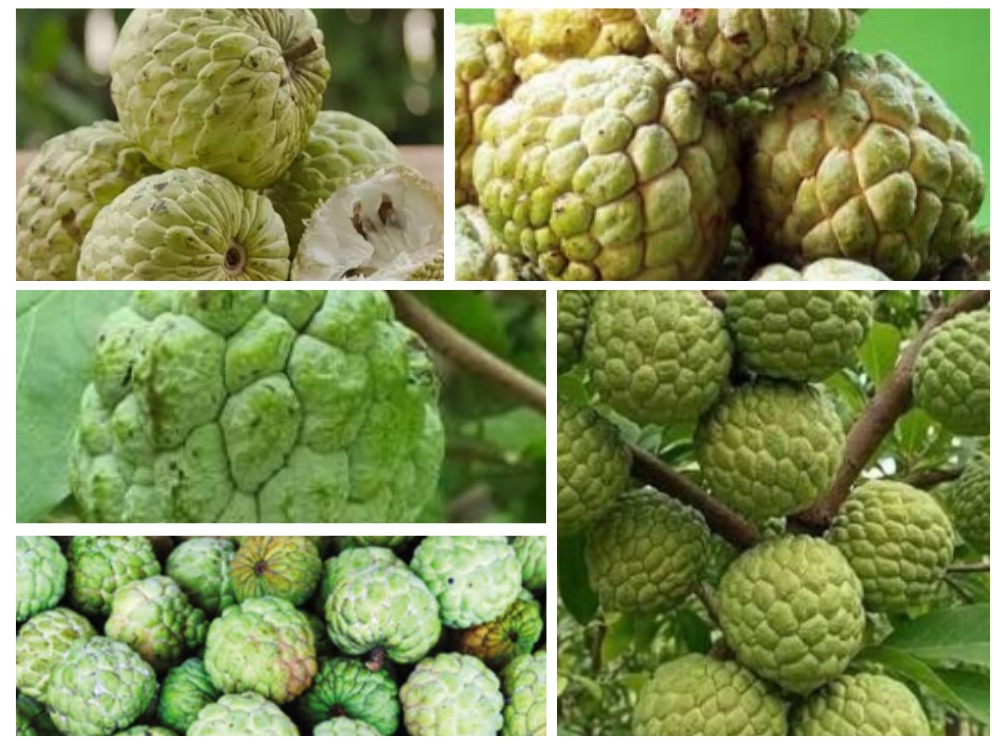
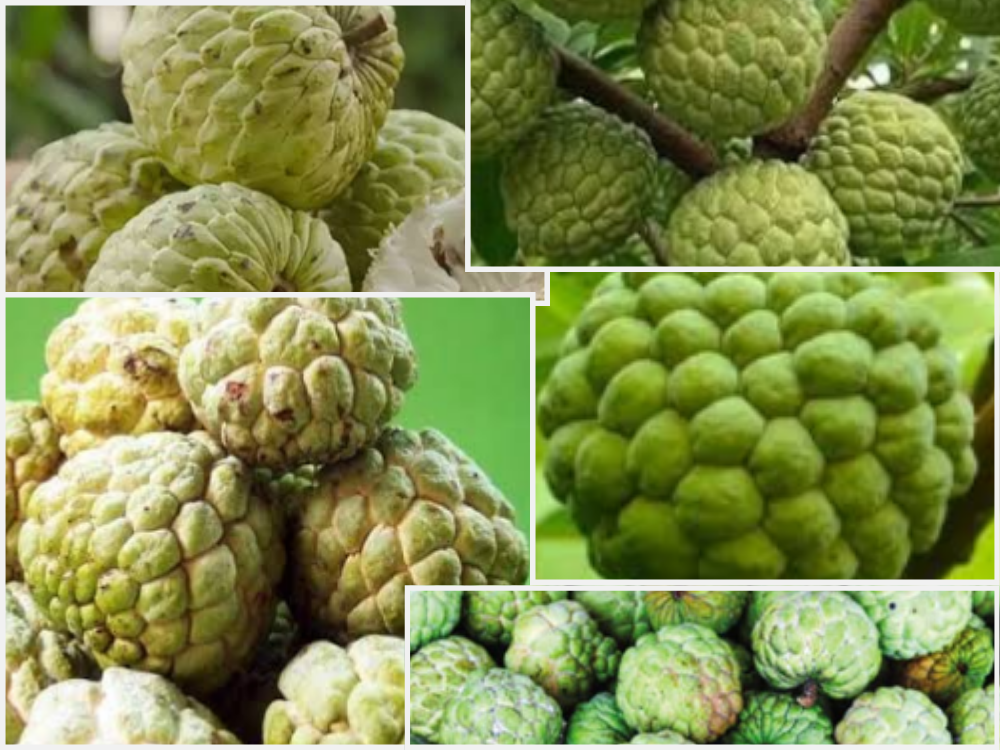
The fruit is round and thick. When unripe, its surface is bumpy and resembles a collection of small boils or raised sections. As the fruit ripens, the skin around the indentations becomes pinkish or yellowish.
The pulp is white, soft, and delicious, surrounding each individual seed. The fruit is widely enjoyed for its pleasant taste.
Seeds
The seeds are black, smooth, elongated, and pointed.
Distribution and Cultivation
The tree was originally introduced from the West Indies and is now cultivated in many parts of India. It also grows wild in the forests of the Deccan region.
It is cultivated in areas including Hyderabad (Deccan), the Eastern Ghats, the Madras Presidency, and Gurdaspur in Punjab.
Chemical Composition
The pulp contains approximately:
- 26% mucilaginous fat
- 7% sugar
The seeds contain fixed oil and resin.
Temperament
Hot and moist, second degree.
Actions and Traditional Uses
Mild Laxative
The fruit is generally consumed as food. Its pulp is traditionally considered a mild laxative and is used to help relieve constipation.
However, the fibrous portion of the fruit may have a constipating effect. Traditionally, it is therefore recommended to consume the soft pulp while discarding the tougher fibrous material.
Cardiac Tonic and Exhilarant
Sharifa is traditionally regarded as a cardiac tonic and exhilarant. It is described as beneficial for relieving delusions, obsessive thoughts, and palpitations.
Swellings and Lumps
A paste prepared from ripe Sharifa fruit mixed with salt is traditionally applied to swellings and lumps, including scrofula (swollen lymph nodes of the neck) and swellings in the groin.
According to traditional practice, this application helps resolve inflammation or promotes the maturation and discharge of accumulated morbid matter.
Insecticidal Use
The unripe fruit may be dried and ground into a powder. When mixed with gram flour (Besan), the preparation is traditionally described as useful for killing insects and certain venomous creatures.
Leaves for Swellings
The leaves may be finely ground and applied as a poultice over swellings. Traditionally, this application is believed to help resolve inflammation.
Specific Benefits
- Mild laxative
- Cardiac exhilarant
Dosage
Approximately 60 grams, or according to individual tolerance.