



Introduction
Amla, commonly known as Indian gooseberry, is one of the most important medicinal fruits in traditional systems like Ayurveda and Unani medicine. It has been known in India and Pakistan since ancient times and was also adopted by Greek physicians due to its remarkable healing properties.
Plant Description and Characteristics
Amla trees vary in size depending on the region:
- In Rajputana, they grow about 25–30 feet tall
- In Thewad, about 15–20 feet
- In Punjab and Uttar Pradesh, wild varieties reach 25–30 feet, while cultivated types like Banarasi Amla are comparatively smaller
Stem and Bark
- The wood is crooked and brittle
- Bark is about ¼ inch thick, whitish like ash, and sheds annually
Leaves, Flowers, and Fruit
Leaves
- After autumn, during Chet and Baisakh (spring), branches develop tiny greenish leaf clusters
- Leaves have a pleasant lemon-like fragrance
Fruit
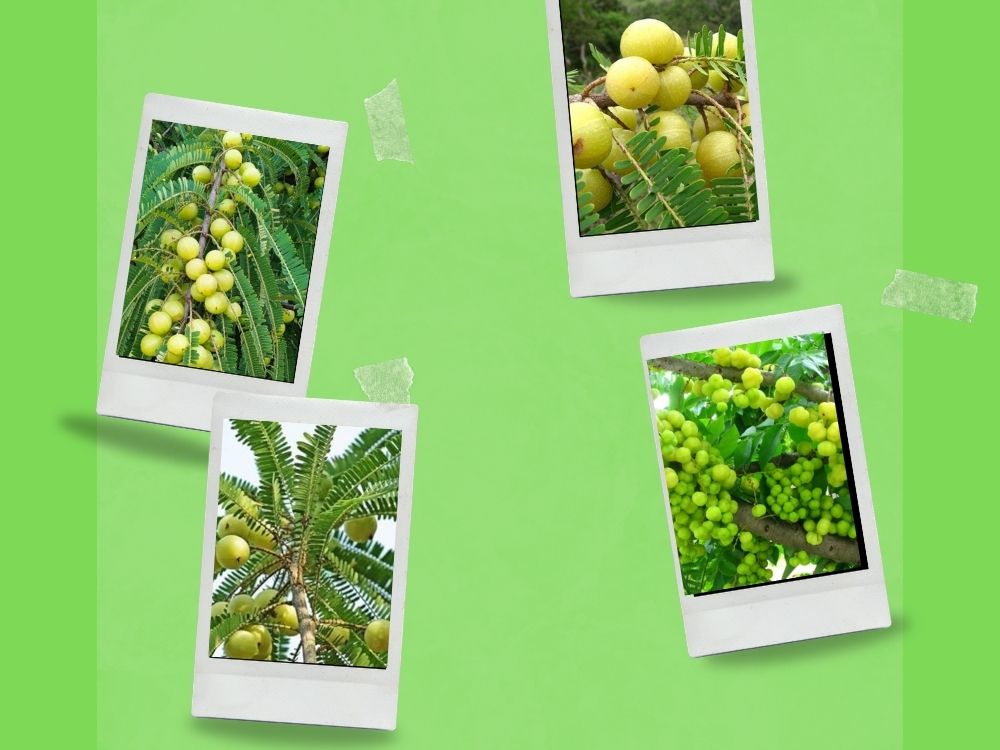
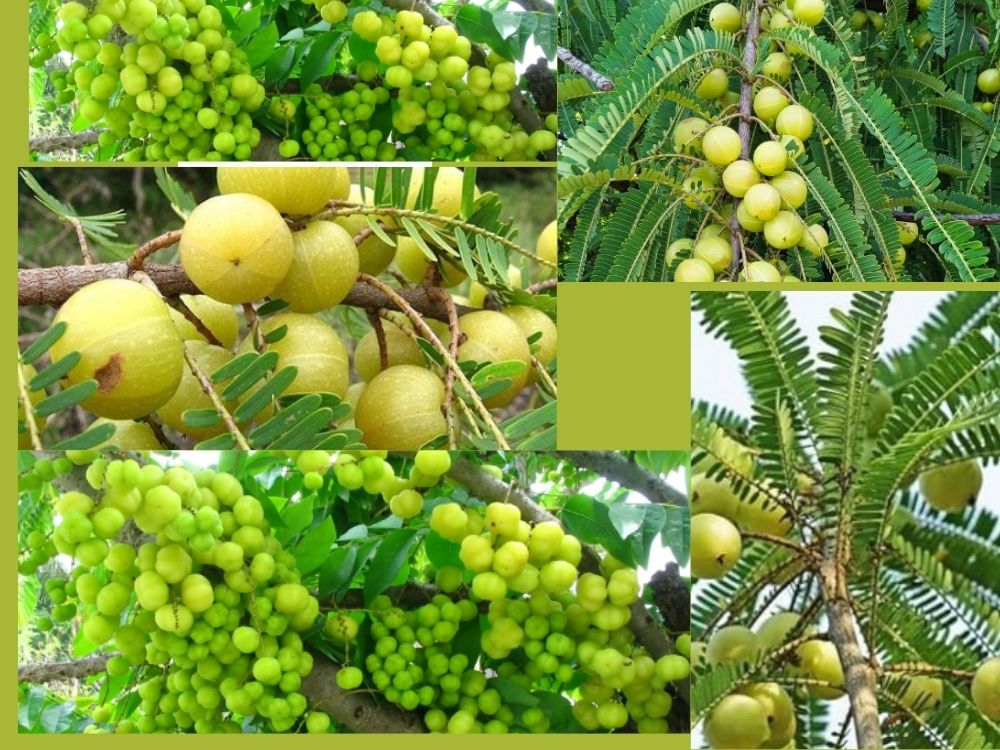
- Small, round, and similar to a lemon in shape
- Naturally divided into six lobes
- Skin is thin, enclosing a hard seed also divided into six parts
Color Changes
- Initially green
- Turns yellow or reddish-yellow as it ripens (from Kartik to Magh)
Size
- Usually weighs up to 1.5 tolas
- Larger cultivated varieties may exceed 5 tolas
- Smaller fruits are often dried for medicinal use, while larger ones are used fresh
Habitat and Cultivation
Amla grows best in:
- Gravelly and stony soils
- Regions such as:
- Jammu
- Punjab
- Uttar Pradesh
- Bihar
- Coastal areas
Taste
Amla has a unique taste profile:
- Initially sour and astringent
- Gradually becomes sweet after consumption
When the seed is removed, the fruit is called Amla Manqi.
Chemical Composition
Amla is highly nutritious and contains:
- Vitamin C (rich source)
- Tannic acid
- Calcium
These components contribute to its strong antioxidant and healing properties.
Temperament
According to traditional medicine:
- Cold in the first degree
- Dry in the second degree
Medicinal Actions
Amla is known for a wide range of therapeutic actions:
- General body tonic
- Brain and memory enhancer
- Stomach tonic
- Eye tonic
- Mild laxative and diuretic
- Blood purifier
- Astringent
Uses and Health Benefits
Brain and Nervous System
- Strengthens the brain and memory
- Helpful in headaches, migraines, and palpitations
- Reduces excessive blood flow and heat affecting the brain
Digestive Health
- Improves appetite
- Helps relieve constipation
- Strengthens the stomach and liver
Heart and Blood Health
- Supports heart function
- Useful in high blood pressure
- Helps in blood purification, especially when taken with neem leaves
Eye and Oral Health
- Amla water is used to wash the eyes
- Gargling its decoction helps with:
- Gum swelling
- Mouth ulcers and infections
Hair Care
- Strengthens hair and prevents hair loss
- Makes hair dark, thick, and healthy
- Amla oil is widely used for hair nourishment
Skin and Immunity
- Helps in healing wounds and bruises
- Supports immunity due to high vitamin C content
Reproductive and Muscular Health
- Strengthens the uterus
- Improves muscle strength
Role in Traditional Formulations
Amla is a key ingredient in many classical remedies:
- Triphala (a famous herbal combination)
- Chyawanprash (nutritive tonic)
- Various Unani and Ayurvedic formulations
- Amla-based oils and herbal preparations
Special Benefit
- Particularly effective in strengthening the organs of the head, including the brain, eyes, and nervous system
Dosage
- Recommended dose: 3 to 5 grams
Common Preparations
Amla is used in various forms:
- Powders and decoctions
- Oils (Amla oil)
- Herbal jams (like Chyawanprash)
- Ointments and syrups
- Compound medicines such as
- Anushada
- Jawarish Shahi
- Various herbal oils and pastes