



Introduction
Reverse blanket, commonly known as devil’s cotton, is a small medicinal plant traditionally used in herbal systems, particularly for women’s health. It is valued for its effects on the uterus and menstrual regulation and is widely used in indigenous medicine across parts of India.
Botanical Description
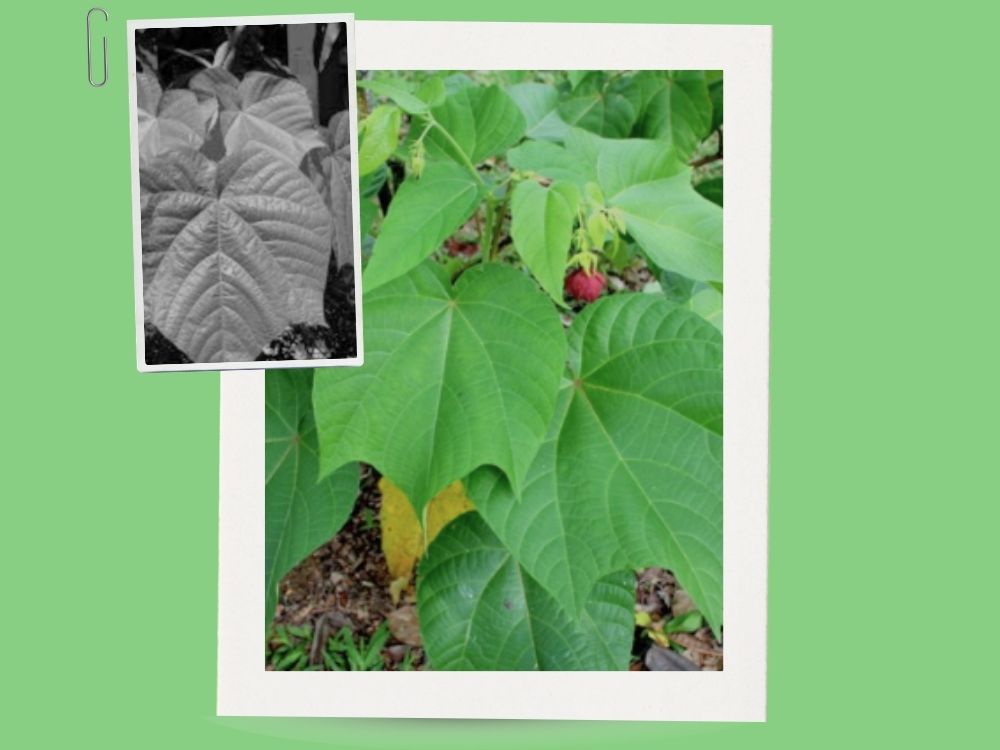
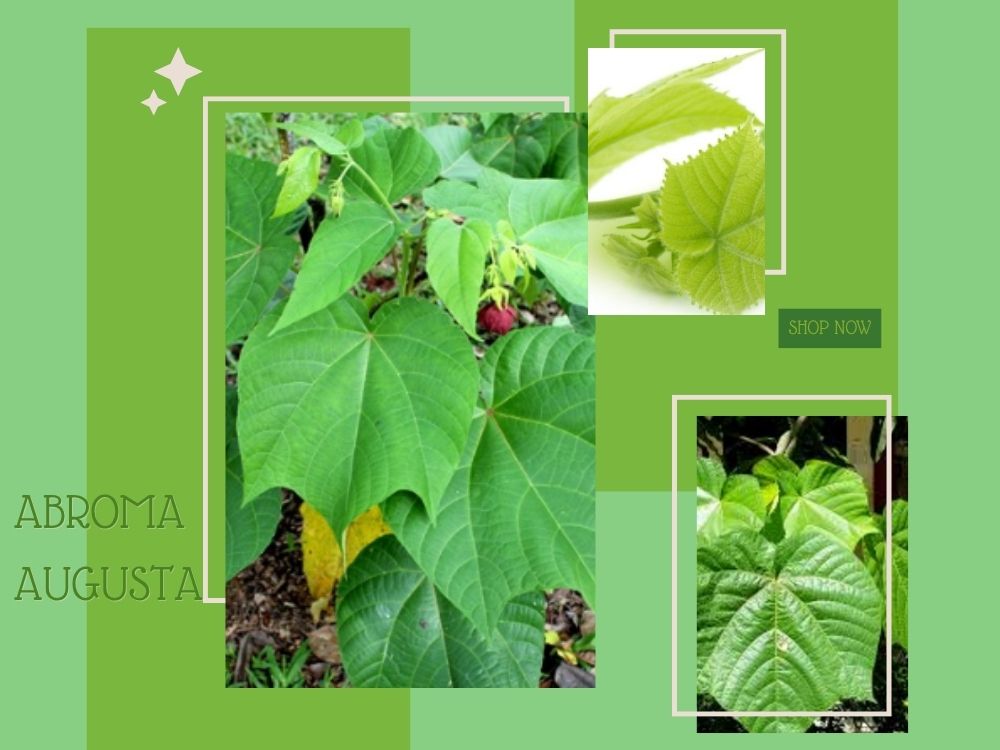
This plant is of small stature and is typically found growing in forests. Although it is native to cold regions, it is also commonly found in the hills and forest areas of warmer climates.
The plant has thick, strong roots, from which numerous smaller roots emerge. The root bark is fibrous, brown in color, and contains a white pulp inside. The branches are light-colored and covered with soft hairs.
Flowers
The flowers of Devil’s Cotton are quite distinctive:
- They grow in clusters of two to three
- Resemble red poppy-like flowers
- Naturally hang downward but later turn upward toward the sky
Due to this unique characteristic, the plant is often referred to as having “inverted flowers.” The flowers are curved inward, resembling a lion’s claw, which adds to their unique appearance.
Fruits and Seeds
Below the flowers is a five-angled, semi-circular structure divided into compartments. Each compartment contains black and yellow seeds, which are released upon drying.
When the plant is freshly cut, it exudes a sticky, glue-like juice. Both fresh leaves and roots are commonly used for medicinal purposes.
Chemical Composition
The bark of the plant contains:
- Wax
- Approximately 3% non-crystalline extractive matter
These components contribute to its medicinal properties.
Temperament (Traditional View)
According to traditional systems of medicine, devil’s cotton is considered the following:
- Hot and dry in temperament
Pharmacological Actions
This plant exhibits several important medicinal actions, including:
- Uterine tonic
- Menstrual stimulant (emmenagogue)
- Anti-asthmatic
- Fertility-supporting
- Anti-hemorrhoidal
Medicinal Uses
Gynecological Health
Devil’s Cotton is especially known for its benefits in women’s health, including
- Regulating menstrual cycles
- Treating scanty menstruation
- Supporting fertility and conception
- Managing various uterine disorders
A decoction of the root is traditionally given two days before menstruation and continued during the cycle, helping to normalize menstrual flow and improve reproductive health.
Uterine Disorders
The plant is considered highly effective in:
- Weakness of the uterus
- Menstrual irregularities
- Conditions linked to hormonal imbalance
A mixture of 3–6 grams of fresh leaves with a small amount of black pepper is administered for enhanced effect.
Digestive Health
It also helps in relieving constipation, which indirectly supports overall reproductive health.
Other Uses
- Beneficial in asthma
- Helps in managing hemorrhoids
- Traditionally believed to improve overall vitality
Traditional Recognition
Renowned herbal practitioners and physicians such as Dr. Dymock, Dr. Nadkarni, Kaviraj Dwarkanath, and Dr. Macalwood have acknowledged and praised this plant for its effectiveness, particularly in treating gynecological conditions.
Dosage
- Fresh leaf juice: 3 grams to 1 tola
- Root decoction: 6 grams to 1 tola
(Dosage should be used cautiously and preferably under expert supervision.