



Introduction
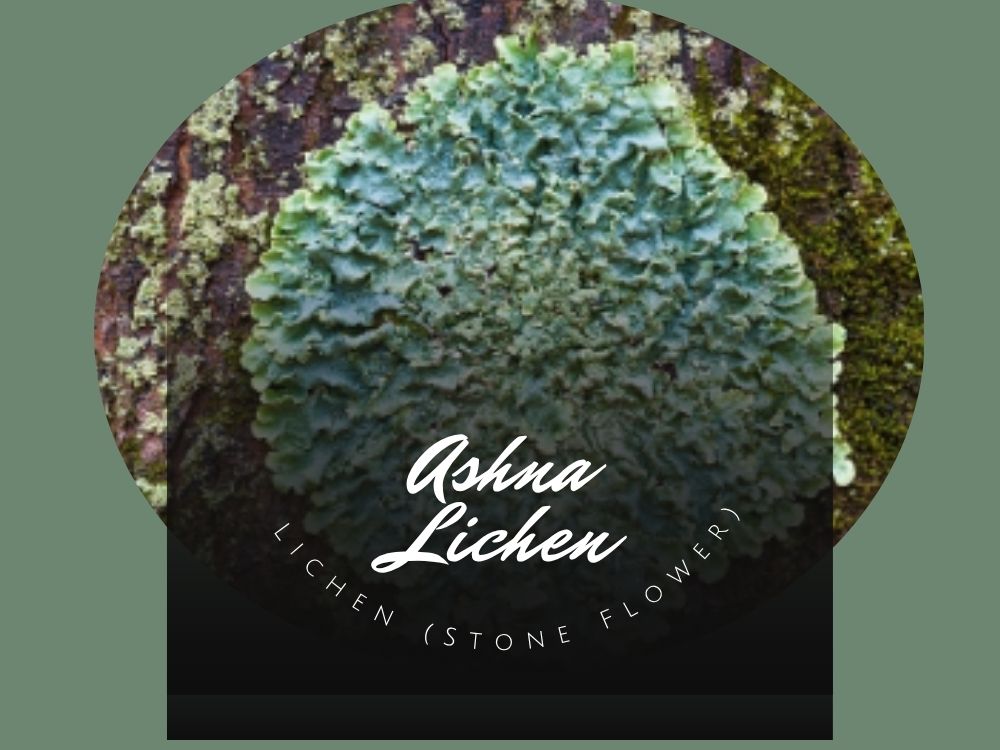
Ashna, also known as Cheela or Chheel Chheela, is a rare and unique medicinal substance traditionally used in herbal medicine. It is commonly identified with lichen-type growths such as Usnea, which grow in mountainous environments. This natural substance is valued for its therapeutic properties, particularly in treating swelling, headaches, and urinary disorders.
Habitat and Growth
Ashna is typically found in mountainous regions during the summer season, especially in areas with heavy rainfall. It grows at elevations of approximately 6,000 to 8,000 feet above sea level. It is often found on pine, oak, and walnut trees, as well as on rocks. It is widely found in regions like Amri, Dharamshala, Dalhousie, Shimla, Nilgiri, Nainital, Himachal, and Punjab. Beyond the Indian subcontinent, it also occurs along coastal and riverine areas of Persia, Jeddah, and Basra. The plant can be easily removed by hand due to its loose attachment to surfaces.
Physical Characteristics
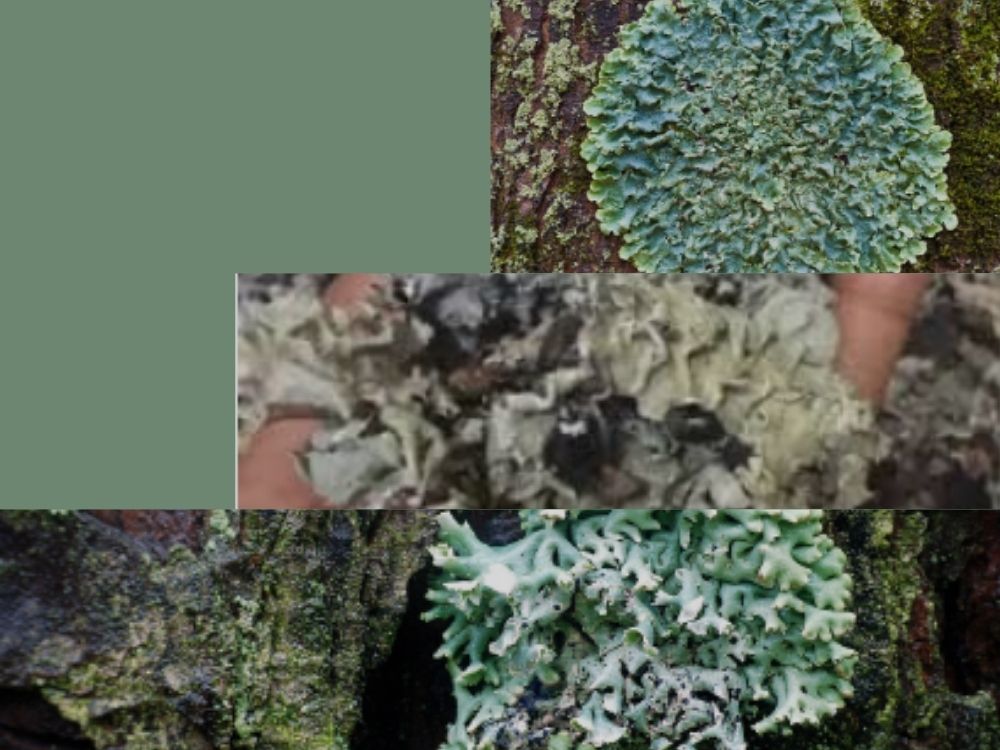
Ashna resembles moss and appears like a tiny grass-like growth. It has a layered structure, with a blackish appearance on the upper side and a whitish tone underneath. It does not possess conventional plant parts such as roots, stems, branches, flowers, or seeds. It has no noticeable smell when fresh, but upon drying, it develops a strong odor similar to that of ghabar. Its taste is mild and slightly bitter.
Chemical Composition
Ashna contains important chemical constituents, including a yellowish granular resin known as crysonic acid, along with a substance called lichenin. These components contribute to its medicinal properties and effectiveness in traditional treatments.
Temperament (Mizaj)
In traditional medicine, Ashna is generally considered hot and dry in the first degree. However, some variations are described as cold and dry, depending on the type and region where it is found.
Medicinal Uses and Applications
Ashna is widely used for its ability to dissolve swellings when applied externally as a poultice. It is also beneficial in relieving headaches and strengthening the stomach and intestines. Patients suffering from pain inhale the steam of its decoction, which provides relief through its soothing properties. When used as a salve, it helps strengthen the eyes and improve eye health. Its infusion is known to open the urinary tract and assist in the expulsion of stones. When finely ground and applied to the bladder area, it promotes the release of urine. Additionally, its decoction and external application are effective in relieving hot headaches and conditions like epilepsy. It is also used to purify the skin and treat acne.
Special Benefits
Ashna possesses both warming and drying effects, making it suitable for conditions caused by excess moisture and coldness in the body. Its ability to reduce swelling, purify the skin, and support urinary and nervous system health makes it a valuable herbal remedy.
Dosage
The recommended dosage of Ashna ranges from 3 to 5 grams, depending on the method of preparation and the condition being treated.
Herbal Formulations
Ashna is included in several traditional compound medicines, such as Musk Medicine Acute Simple, Musk Medicine Hagem, Musk Medicine Moderate, and Musk Medicine Moderate Gem Oil. These formulations enhance its therapeutic effects and broaden its use in treating various ailments, such as respiratory issues, digestive disorders, and skin conditions.