



Introduction
Fennel seeds, commonly known as saunf, are a widely used aromatic herb belonging to the Umbelliferae family. Known for their sweet taste and pleasant fragrance, fennel seeds hold an important place in traditional medicine and culinary practices across South Asia, including Pakistan and India.
Names and Classification
- Persian: Raziana / Razianeh
- Sanskrit: Madhurika
- Hindi/Urdu: Saunf
- Family: Umbelliferae (Apiaceae)
Botanical Characteristics
The fennel plant grows to a height of approximately two to three feet and resembles celery or similar herbaceous plants. It thrives in areas with abundant water, such as near wells, canals, and moist soils.
The plant has:
- Finely divided leaves, usually split into four to five segments
- Multiple branches spreading outward
- A distinct aromatic smell present in both leaves and seeds
Flowers and Seeds
Fennel produces small, five-petaled yellow flowers arranged in umbrella-shaped clusters (umbels). After flowering, seeds develop, commonly known as fennel seeds or baryan seeds.
Key features of the seeds:
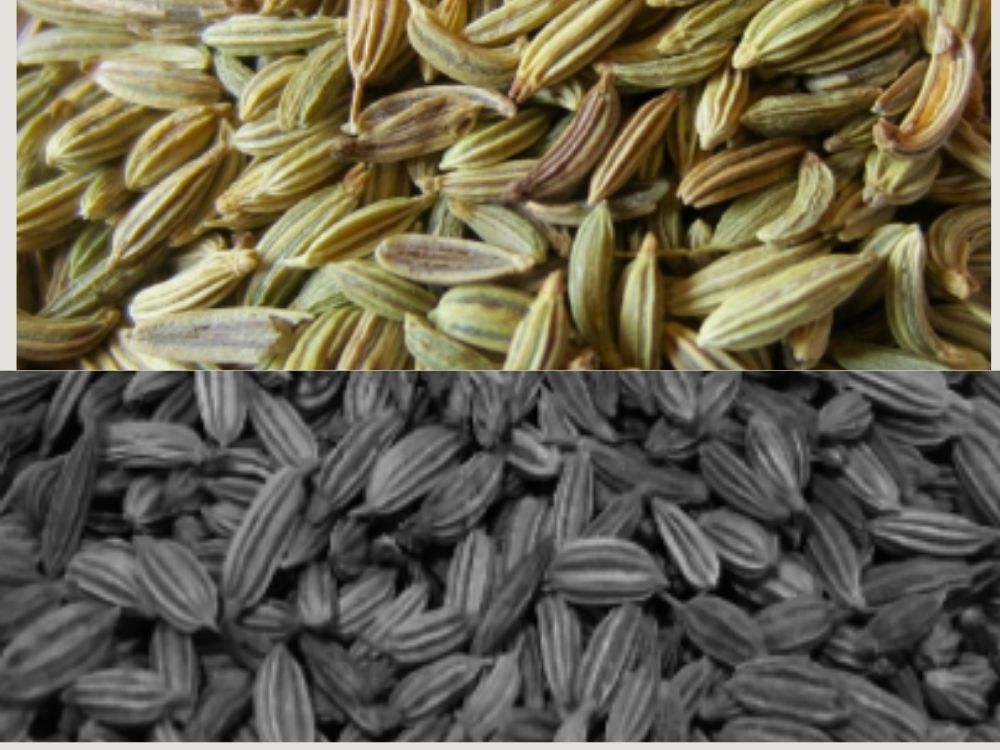
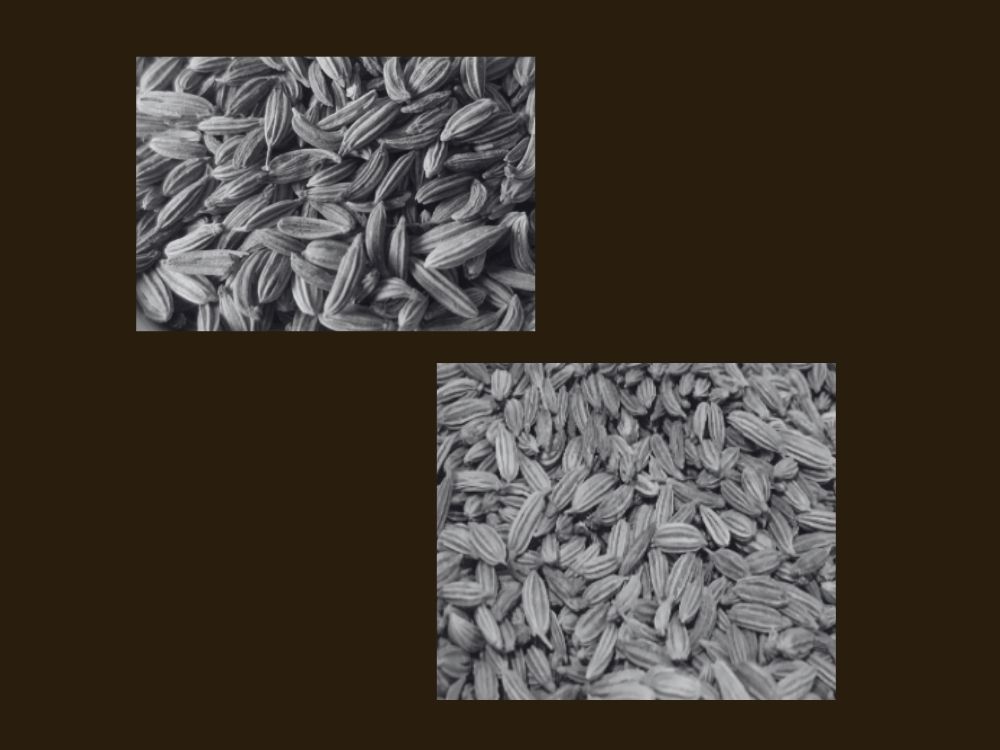
- Each seed has four to five ridges (lines)
- Color ranges from yellowish to pale green
- The taste is sweet, mildly spicy, and fragrant
Both the seeds and roots are used for medicinal purposes.
Cultivation and Distribution
Fennel is cultivated extensively across the following:
- India (especially Punjab, Uttar Pradesh, and Madhya Pradesh)
- Pakistan and other South Asian regions
It grows well in fertile, well-watered soils.
Chemical Composition
Fennel seeds contain several important active compounds, including the following:
- Volatile oil (light yellow and aromatic)
- Anethole (major component, responsible for aroma)
- Fenchone: These compounds contribute to its medicinal, digestive, and aromatic properties.
Temperament
According to Unani medicine, fennel seeds have a hot and dry temperament (first degree), making them especially beneficial for cold and phlegmatic conditions.
Pharmacological Actions
Fennel seeds are known for their multiple therapeutic actions:
- Stomach tonic
- Carminative (relieves gas and bloating)
- Expectorant (helps with phlegm)
- Vision tonic
- Breath freshener and respiratory support
- Galactagogue (enhances milk production)
Medicinal Uses
Fennel seeds are widely used for various health benefits, including:
Digestive Health
- Strengthens the stomach
- Relieves stomach pain and indigestion
- Reduces flatulence and bloating
Respiratory Support
- Helps clear phlegm
- Improves breathing and respiratory function
Urinary and Reproductive Health
- Helps in relieving urinary retention
- Supports menstrual flow
- Promotes lactation (milk production in nursing mothers)
Liver and Organ Health
- Helps open blockages of the liver, kidneys, and spleen
- Used in combination with other medicines for detoxification
Eye Care
- Decoction used for washing eyes
- Juice mixed with milk is traditionally believed to strengthen eyesight
External Use
- Paste made with turmeric and fennel leaf water may be applied for certain skin conditions
Compound Preparations
Fennel is included in several traditional formulations, such as the following:
- Hyssop syrup
- Mixed herbal syrups
- Sadr syrup
- Buzuri syrup
- Lavender syrup
- Skunjabin
- Star anise extract-based compounds
Dosage
- Standard dose: 5 to 7 grams of seeds
It is advisable to use under proper guidance for medicinal purposes.
Special Benefits
Fennel seeds are particularly valued for their powerful stomach tonic properties, which improve digestion, reduce gas, and enhance overall gastrointestinal health.