



Introduction
Inula racemosa is a medicinal plant known for its therapeutic properties, particularly in traditional herbal systems. It is valued for its effects on respiratory health, digestion, and general body strength.
Botanical Description
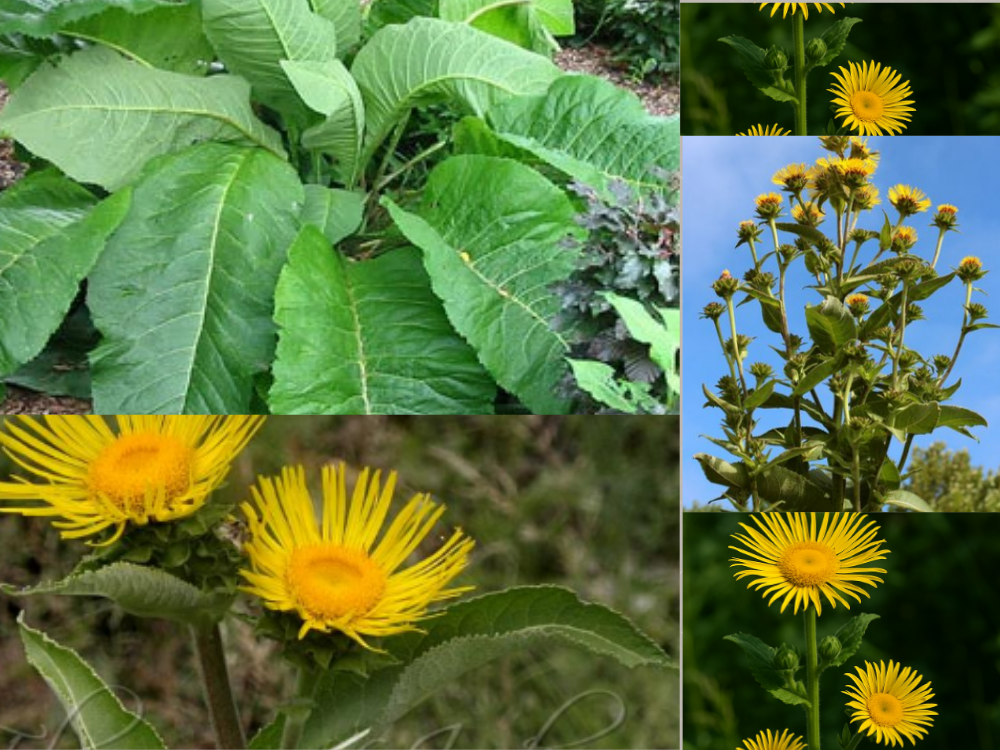
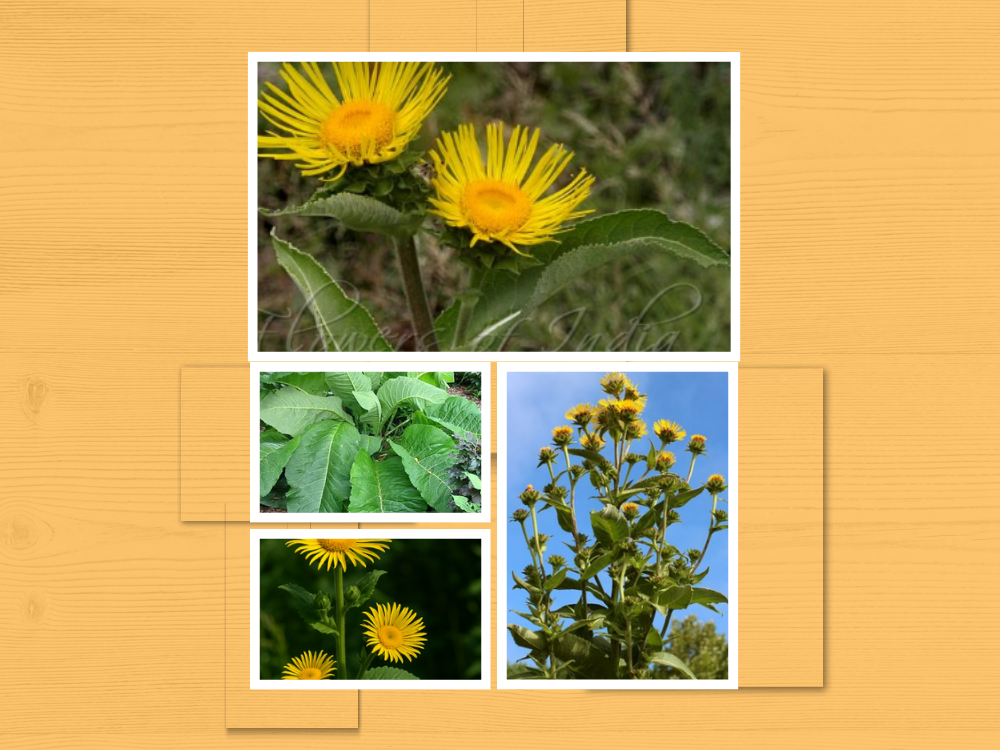
This plant typically grows to a height of four to five feet. The stem is green in its early stages and gradually turns reddish-black as it matures. It often has visible stripes along its surface.
Leaves
The leaves are large, measuring about six to eight inches in width and up to one and a half feet in length. They are:
- Hairy and toothed on the underside
- Rough and slightly fringed on the upper surface
- Mildly fragrant
Flowers
The flowers are blue-purple from the underside, while the outer petals are wide and pointed. The inner petals are narrow, striped, and pointed, with a yellowish appearance resembling sunflower-like structures.
Roots
The roots are the most important medicinal part of the plant. They should be collected when the seeds ripen, usually in late summer or early autumn.
Root Characteristics
- Initially resemble radishes
- Become thicker as they mature
- Produce multiple secondary roots
- Appear segmented in structure
- Emit a camphor-like fragrance
- Taste is bitter
Habitat and Distribution
Inula racemosa grows in humid environments, especially near rivers and streams. It is commonly found in:
- The Kashmir region at elevations of 2,000 to 9,000 feet
- Snowy areas of Kashmir and surrounding regions
- Chamba (Himachal region) and Iran
- The Kaghan Valley in the northwestern areas of Pakista
Temperament (Traditional View)
In traditional medicine, this herb is considered to have a hot and dry temperament (second degree).
Medicinal Actions
Inula racemosa possesses several beneficial properties, including:
- Tonic (strengthening the body)
- Expectorant (helps remove phlegm)
- Astringent
- Mild stimulant
Uses and Benefits
Respiratory Health
Due to its expectorant properties, it is useful in:
- Cough
- Asthma
- Phlegm-related conditions
- Other respiratory disorders
Digestive Support
This herb helps to:
- Improve appetite
- Relieve abdominal pain
- Strengthen digestive function
External Applications
When used as a poultice, it may:
- Help reduce cold sweating of hands and feet
- Provide a warming effect
General Tonic
It is commonly used to treat:
- General weakness
- Low energy levels
Special Benefit
- Acts as a stomach tonic, improving digestion and strengthening the gastrointestinal system
Precautions
- May not be suitable for individuals with excess heat in the body (hot temperament conditions)
- Should be used with caution and under professional guidance
Dosage
Typically taken two to four times a day, depending on the preparation and medical advice.