




Introduction
Bitter almond, known scientifically as Amygdala amara, is closely related to the sweet almond but differs significantly in its taste, chemical composition, and medicinal properties. It has been traditionally used in Unani and other herbal systems; however, due to its toxic nature, it must be handled with extreme caution.
Botanical Description
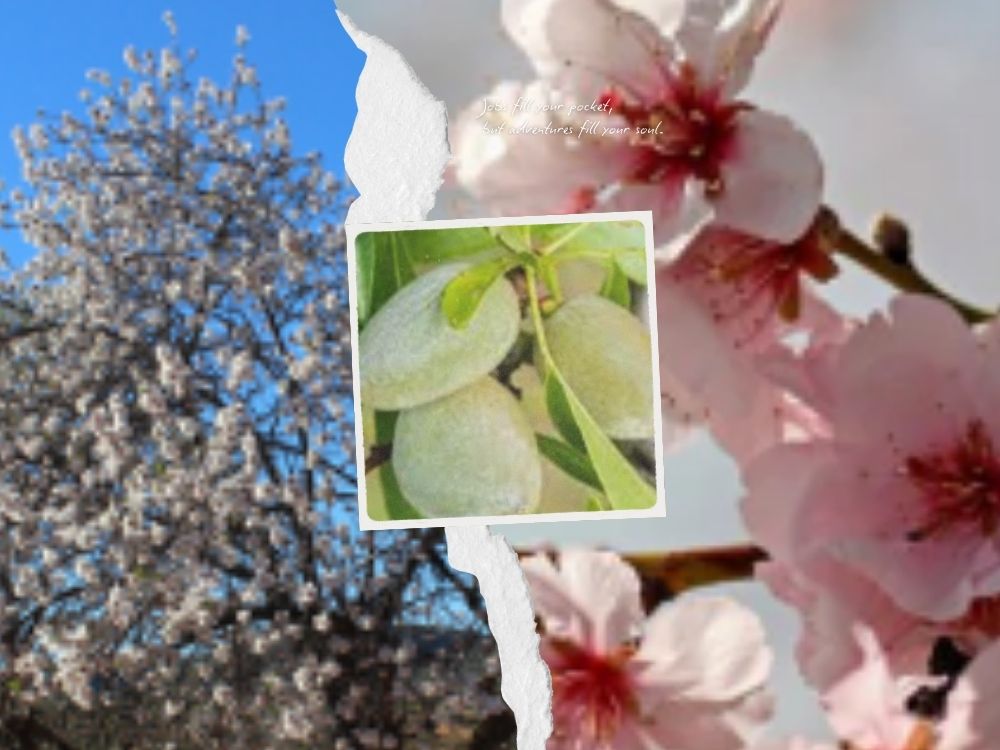
The bitter almond tree resembles the sweet almond tree but is generally
- Smaller in size
- Has smaller leaves
- Displays a slightly reddish coloration
- Possesses a mild aroma
Fruit
- Similar in appearance to sweet almonds but slightly smaller
- The kernel has a strong bitter taste
- Not commonly consumed as food due to toxicity
Chemical Composition
Bitter almonds contain several important compounds:
- Fixed (non-volatile) oil
- Emulsin (an enzyme-like substance)
- Amygdalin (a glycoside)
When amygdalin comes into contact with water, it breaks down and produces the following:
- Hydrocyanic acid (prussic acid) — a highly toxic substance (approximately 2–3%)
This chemical reaction is the reason bitter almonds can be poisonous, especially if consumed raw or in large quantities.

Temperament (Unani Perspective)
- Hot and dry in the third degree
Pharmacological Actions
Traditionally, bitter almonds are described as
- Laxative
- Resolvent (dissolves swellings)
- Expectorant
- Emmenagogue (stimulates menstruation)
Medicinal Uses
Respiratory Disorders
In very small, controlled doses, bitter almonds have been used for:
- Cough
- Asthma
They help loosen and expel phlegm.
Digestive System
Traditionally used to:
- Relieve constipation
- Stimulate digestive activity
Gynecological Uses
- Acts as a menstrual stimulant
- Used in conditions of delayed or scanty menstruation
Skin and External Applications
When applied externally, bitter almonds are used for:
- Ringworm and skin infections
- Body odor
- Spots and blemishes
Ear Disorders
Bitter almond oil is traditionally used for:
- Earache
- Partial deafness
- Ear infections or worms
A few drops may be applied carefully in the ear.
Toxicity and Precautions
Bitter almonds are inherently toxic due to hydrocyanic acid formation.
Symptoms of poisoning may include:
- Headache and dizziness
- Difficulty breathing
- Nausea and vomiting
- Severe cases may lead to respiratory failure
Important Warning:
- Internal use should be avoided or strictly supervised by a qualified practitioner
- Even small excess amounts can be dangerous
Dosage
- ½ grain to 1 grain (very small dose)
- Preferably avoided for internal use due to toxicity
Formulations and Preparations
Bitter almond is used in limited and controlled formulations, such as
- Almond oil (for external use)
- Almond syrup
- Almond milk (processed form)
- Marham-ul-Arwah (ointment)