



Introduction
Bael fruit, also known as wood apple, is a highly valued medicinal plant in Ayurvedic and Unani medicine. It is especially for its digestive, astringent, and cooling properties, making it effective for treating intestinal disorders, dysentery, and stomach weakness.
Botanical Characteristics
- Plant Structure:
A medium-sized tree growing about 25–30 feet tall with thick, spreading branches. - Bark:
Thick, whitish or grayish, and medicinally useful. - Leaves:
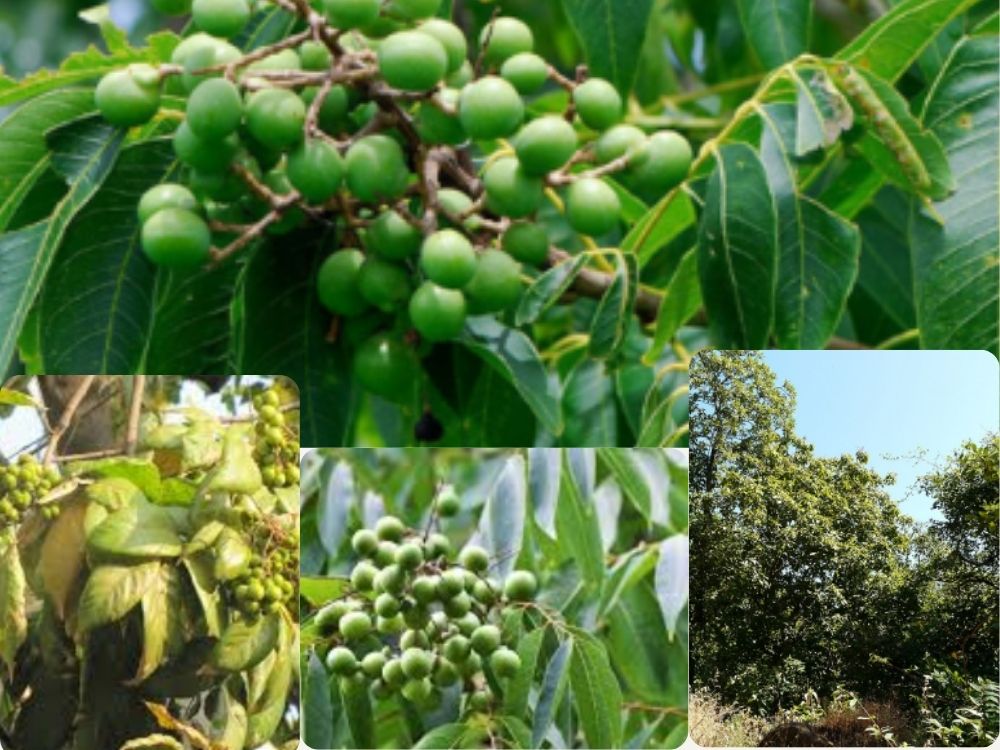
- Arranged in clusters of three (trifoliate)
- New leaves appear in autumn
- Fresh leaves are green and aromatic
Flowers
- Color: Greenish-white
- Petals: 4–5
- Size: About 1 inch long
- Fragrance: Mild and pleasant
- Appear along with new leaves
Fruit
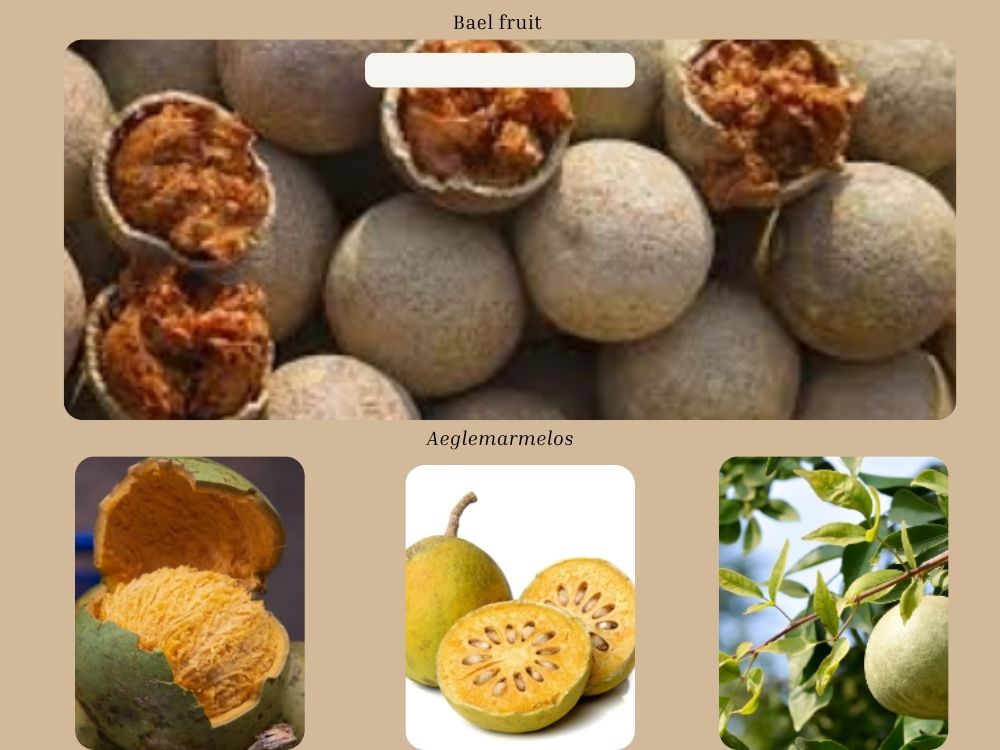
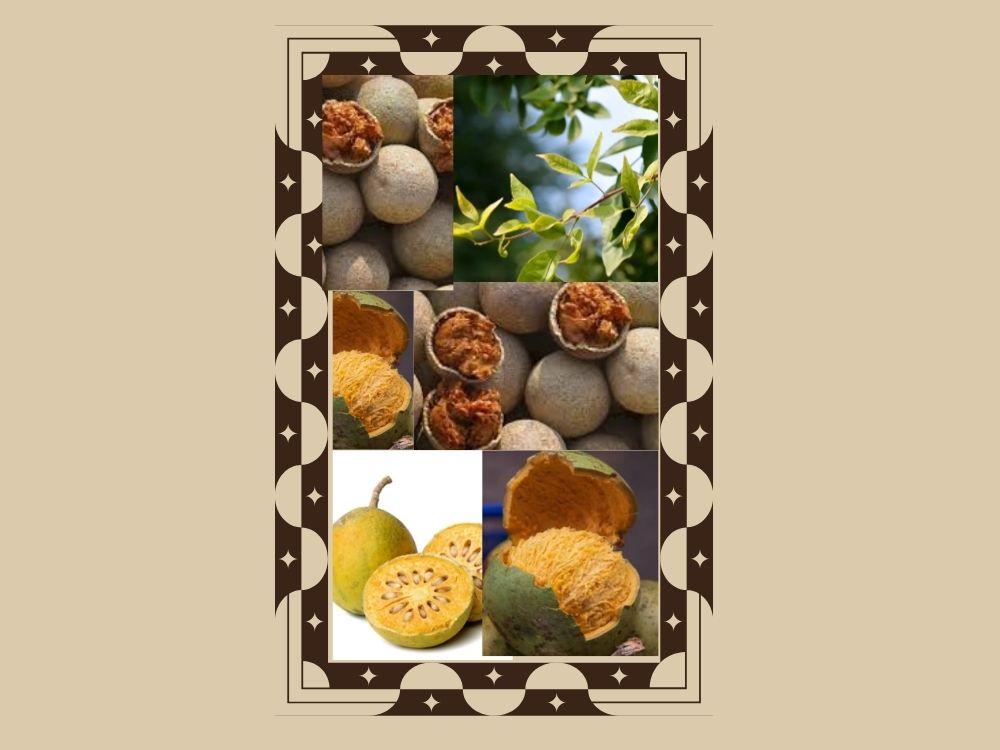
- Shape & Size: Round, ranging from lemon-sized to large (up to 1 kg)
- Color: Green when unripe, turning reddish-yellow when ripe
- Outer Shell: Hard and woody
- Pulp: Soft, juicy, sweet, and aromatic
- Seeds: Numerous, small, and white
Habitat and Distribution
Widely found in:
- India
- Pakistan
- Bangladesh (Bengal region)
- Sri Lanka
- Nepal
Temperament (Mizaj)
- Cold (2nd degree)
- Dry (3rd degree)
Chemical Composition
Bael fruit contains:
- Pectin (helps in digestion and bowel regulation)
- Tannins (strong astringent action)
- Marmelosin (active compound)
- Sugars and carbohydrates (≈16%)
- Proteins (≈3.7%)
- Fats (≈7%)
- Vitamins (≈5.7%)
- Minerals: Potassium, sodium, iron
- Volatile oils and seed oil
Pharmacological Actions
- Astringent (controls diarrhea and bleeding)
- Digestive and stomach tonic
- Heart tonic
- Antipyretic (reduces fever)
- Carminative (may produce or regulate gas)
- Decongestant
Medicinal Uses
- Digestive Disorders:
- Highly effective in dysentery and diarrhea
- Controls bloody diarrhea
- Helps regulate constipation
- Strengthens the digestive system
- Menstrual Health:
- Reduces excessive bleeding during menstruation
- Heart and Lung Health:
- Bael syrup acts as a heart and lung tonic
- Fever and Infections:
- Bark decoction used for fever
- Traditionally believed to help in snake venom cases
- Respiratory Conditions:
- Leaf decoction used for colds and influenza
- General Tonic:
- Root decoction strengthens the heart and body
Traditional Uses and Preparations
- Fresh fruit pulp: Eaten directly or mixed with sugar
- Bael syrup (Sharbat): Popular cooling drink
- Dried unripe fruit: Used medicinally for intestinal disorders
- Leaf decoction: For respiratory relief
- Bark decoction: For fever and detox purposes
Dosage
- Leaf juice: About 5 tolas
- Boiled preparation: 2–3 grams
- Decoction: 3–5 grams
Common Formulations
- Bael syrup (Sharbat-e-Bael)
- Bael jam (Murabba)
- Bael pulp mixtures for dysentery