



Introduction
The Indian fig tree, commonly known as the banyan tree, is one of the most sacred, long-living, and large-spreading trees in South Asia. It is well known in traditional Unani and Ayurvedic medicine for its astringent, healing, anti-inflammatory, and strengthening properties.
Botanical Characteristics
- Plant Structure:
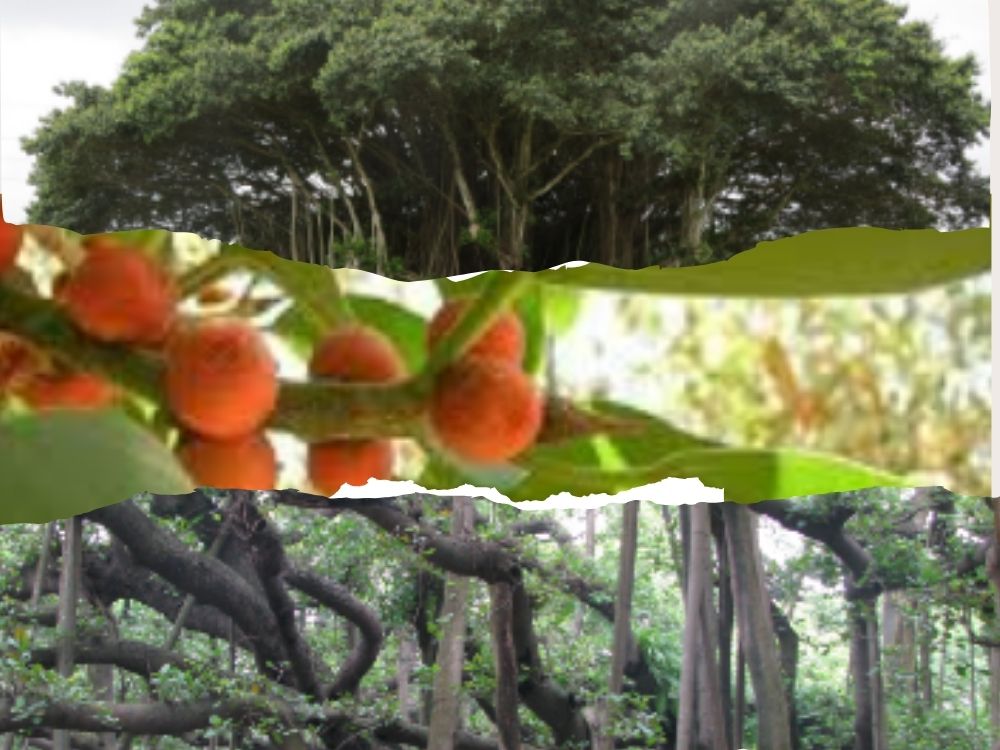
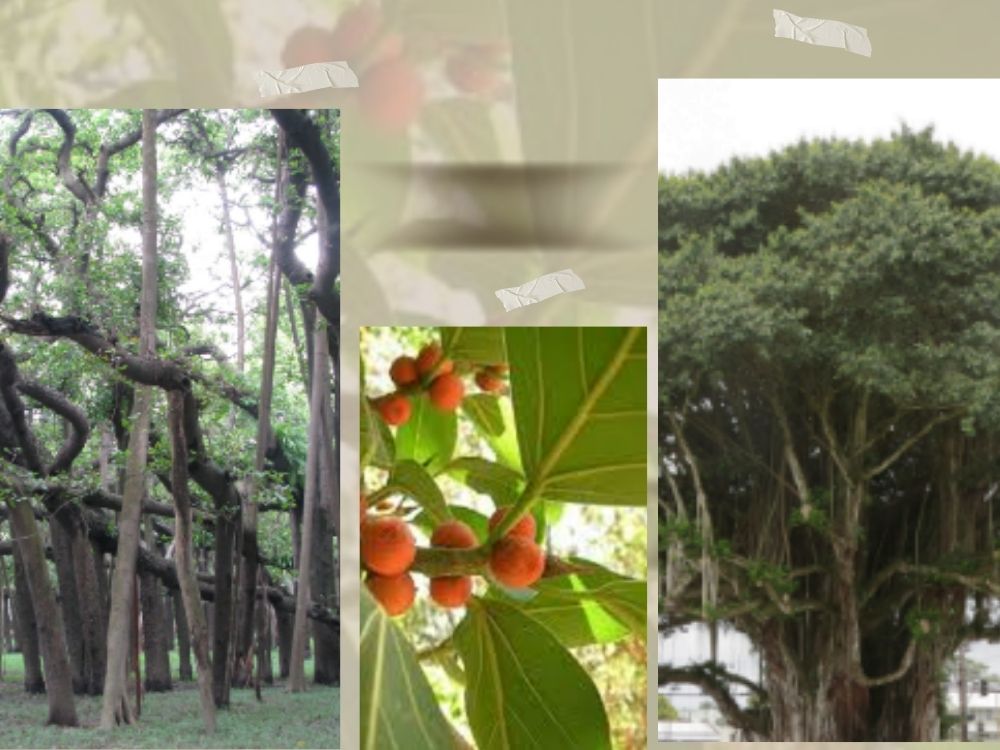
A very large, long-lived tree with an extensive canopy. The trunk may reach 30–40 feet in diameter, and branches spread widely in all directions. - Aerial Roots:
One of its most unique features is the presence of aerial roots that descend from branches into the soil, forming secondary trunks that support the tree’s massive structure. - Bark:
Thick, grayish-white in color, rough in texture, and rich in medicinal properties.
Leaves
- Thick and rounded in shape
- About 4–8 inches long and 5–6 inches wide
- Young leaves are soft, later becoming hard and deep green
- Resemble oak-like leaves in texture and strength
- Roots:
- Thick and widely spreading
- Reddish in color
- Astringent in taste
- Produces a milky latex (sap) when cut
Fruit
- Small, round, reddish figs
- Contain thousands of tiny seeds
- Raw fruit is firm and dull, but when ripe, it becomes soft, sweet, and edible
- Serves as food for birds and small animals, and is also eaten by people in rural areas
Distribution
The banyan tree is found widely across
- India and Pakistan (throughout the region)
- Grows commonly in villages, forests, and temple areas
Chemical Composition
The bark and other parts contain:
- Phenolic compounds (around 10%)
- Coutchouc (natural rubber-like substance)
- Carbohydrates (around 6%)
- Oils and resinous substances
- Latex (milky sap)
These compounds contribute to its healing, protective, and astringent effects.
Pharmacological Actions
- Astringent (tightens tissues and stops discharge)
- Demulcent (soothing to mucous membranes)
- Anti-inflammatory
- Antitussive (relieves cough)
- Anti-emetic (prevents vomiting)
- Healing and strengthening agent
Medicinal Uses
- Digestive and Bowel Disorders:
Helps in:- Flatulence
- Gastric weakness
- Blood-related piles (hemorrhoids)
- Wound and Skin Healing:
- Latex applied to cracked skin and wounds promotes healing
- Reduces swelling, especially in groin and skin boils
- Oral and Dental Health:
- Bark decoction used for mouth ulcers, toothache, and bad breath
- Gargling strengthens gums and oral tissues
- Respiratory Conditions:
Useful in:- Cough
- Asthma
- Phlegm-related disorders
- Reproductive Health:
Traditionally used for- Discharge-related conditions
- Gonorrhea (traditional term usage)
- Eye and General Weakness:
Used in various formulations for strengthening the body and reducing weakness
Traditional Preparations
- Bark decoction with ghee and sugar for piles
- Latex used in drops for urinary and respiratory disorders
- Powdered bark used in tonic mixtures
- Fruit preparations used with milk in traditional medicine
Dosage
- Latex (milk): 10–20 drops (gradually increased in traditional practice)
- Bark / buds / aerial roots: 3–5 grams
- Decoction: 1–1.5 tola (traditional measurement)
Note: Should only be used under expert herbal supervision due to potency.