



Introduction
Baid, commonly identified with the willow tree (Salix species), is a large medicinal tree widely used in Unani and traditional medicine. It is valued for its cooling, calming, and antipyretic (fever-reducing) properties, especially in conditions related to heat, inflammation, and mental stress.
Botanical Characteristics
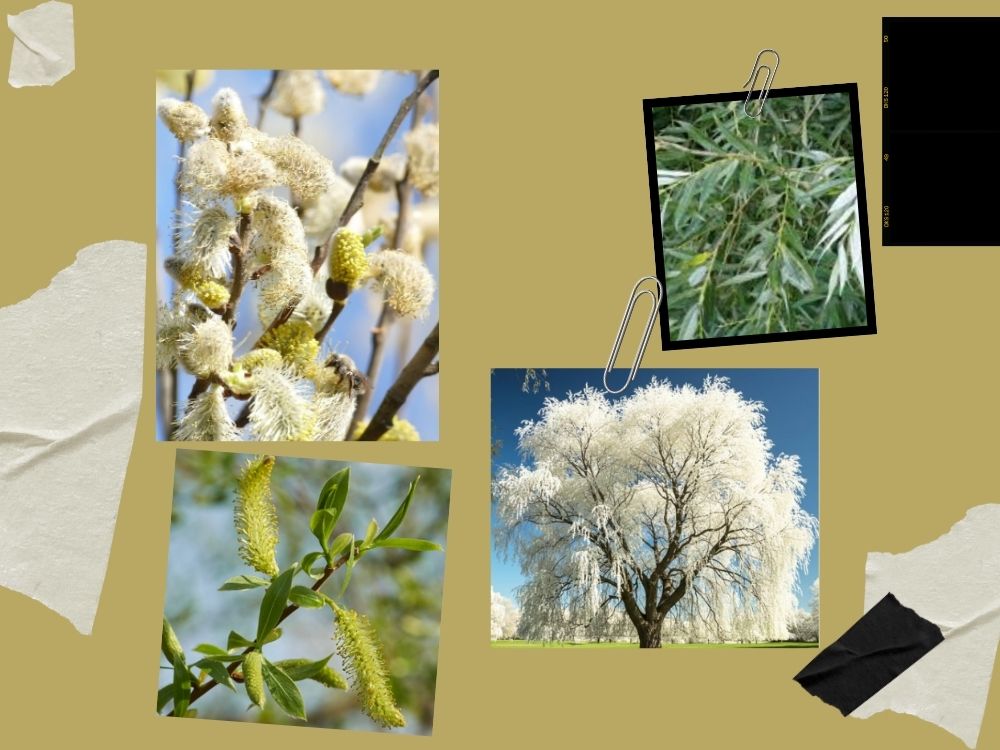
- Plant Structure: A large tree with soft wood (not very hard). The trunk is typically whitish in color, giving it a distinctive appearance.
- Leaves:
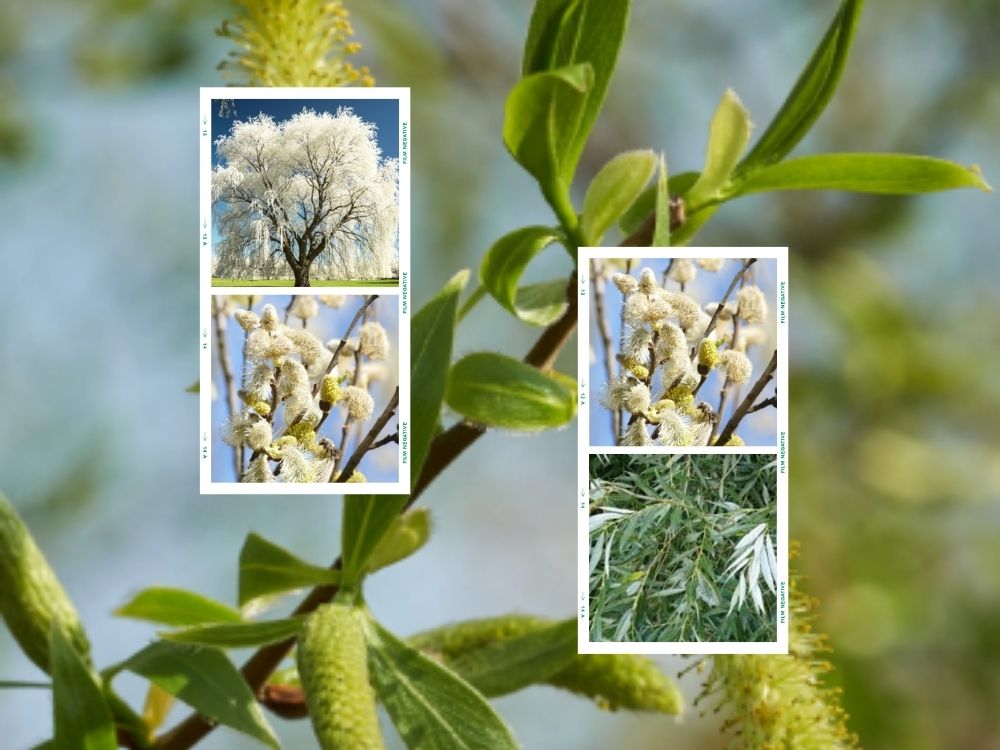
- Long, about one cubit in length
- Green on the upper surface and whitish underneath
- New leaves emerge in the spring season
- Flowers:
- Appear in spring after new leaves
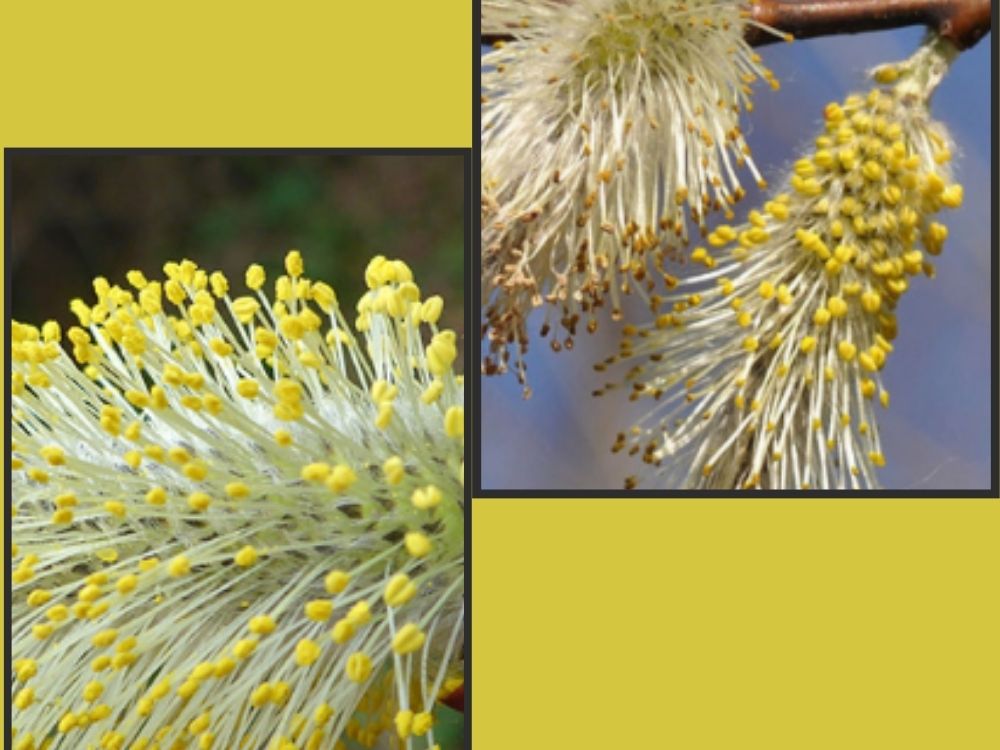
- Yellow in color, slightly fragrant
- Long, ear-shaped (catkin-like)
- Soft and velvety in texture
- Medicinal Parts Used:
- Leaves
- Flowers
- Bark
Types
Traditional texts mention multiple varieties:
- Some sources describe 7 types
- Others mention up to 17 varieties, including:
- Bed Majnoon
- Bed Mushk
- Khar Bed
- Sadah Bed
- Tabari Bed, etc.
These varieties may differ slightly in potency and regional growth.
Habitat and Distribution
Baid is commonly found in the following:
- Kashmir
- Himalayan foothills
- Punjab
- Nepal and Tibet
It thrives in cool and moist environments, often near water sources.
Temperament (Mizaj)
- Leaves: Cold and dry (first degree)
- Flowers: Cold (first degree), slightly moist (second degree)
Pharmacological Actions
- Cooling and soothing agent
- Heart and brain tonic
- Antipyretic (reduces fever)
- Mild purgative
- Anti-inflammatory and calming
Medicinal Uses
- Heat and Fever:
- Reduces excess heat in the body
- Useful in hot fevers, including smallpox-related fever
- Heart and Mind:
- Refreshes and strengthens the heart and mind
- Provides a calming effect
- Headache Relief:
- Smelling fresh flowers helps relieve headaches caused by heat
- Mental Relaxation:
- Sleeping on fresh leaves or applying their extract can relax the mind
- Wound Healing:
- Decoction of the bark used for washing wounds promotes faster healing
- Body Cooling:
- Application of leaf juice or bark decoction cools and soothes the body
Method of Use
- Leaf water (juice): Taken internally for cooling effects
- Bark decoction: Used externally for wounds or internally for fever
- Flower fragrance: Inhaled for headache relief
Dosage
- Fresh leaf juice: 2 to 5 tolas
- Bark: 1 to 2 tolas
- Extract: Around 12 tolas
Note: Use under the guidance of a qualified practitioner.