



Introduction
Pussy willow is a smaller variety of the willow tree, valued in traditional medicine for its cooling, soothing, and tonic properties. It is closely related to the common willow but is often considered more potent, especially in its effects on the heart, brain, and fever-related conditions.
Botanical Characteristics
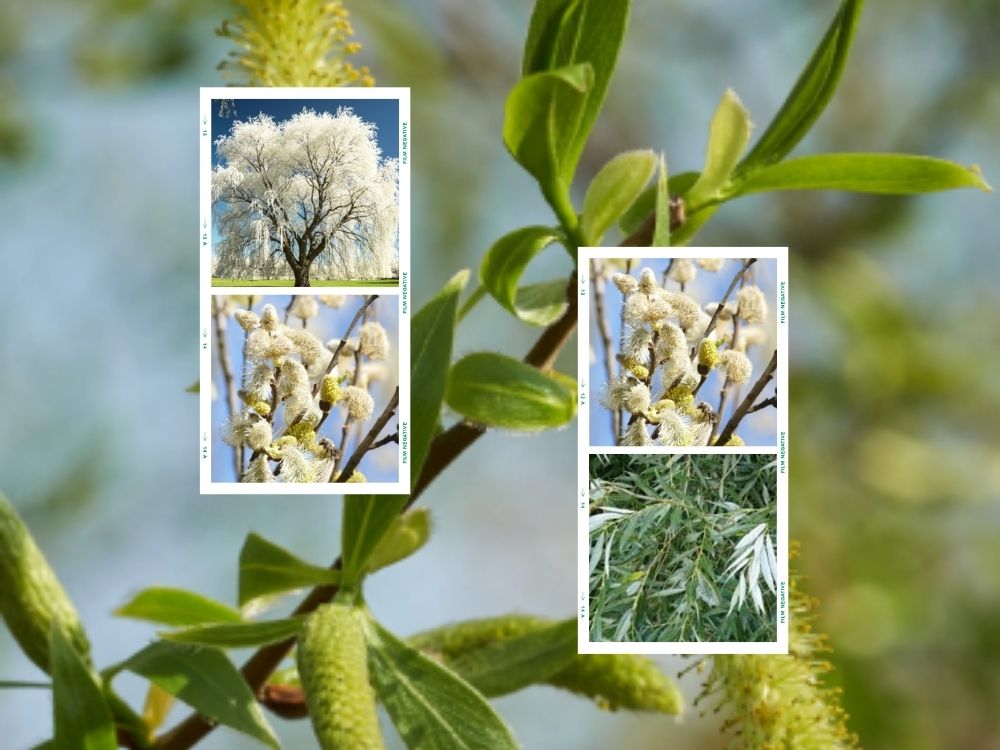
- Plant Structure: A small to medium-sized tree, growing up to 20 feet in height. It sheds its leaves in autumn and produces new growth in spring.
- Leaves:
- Similar to common willow leaves but smaller in size
- Light greenish in color
- Often carry a mild pleasant fragrance
- Flowers:
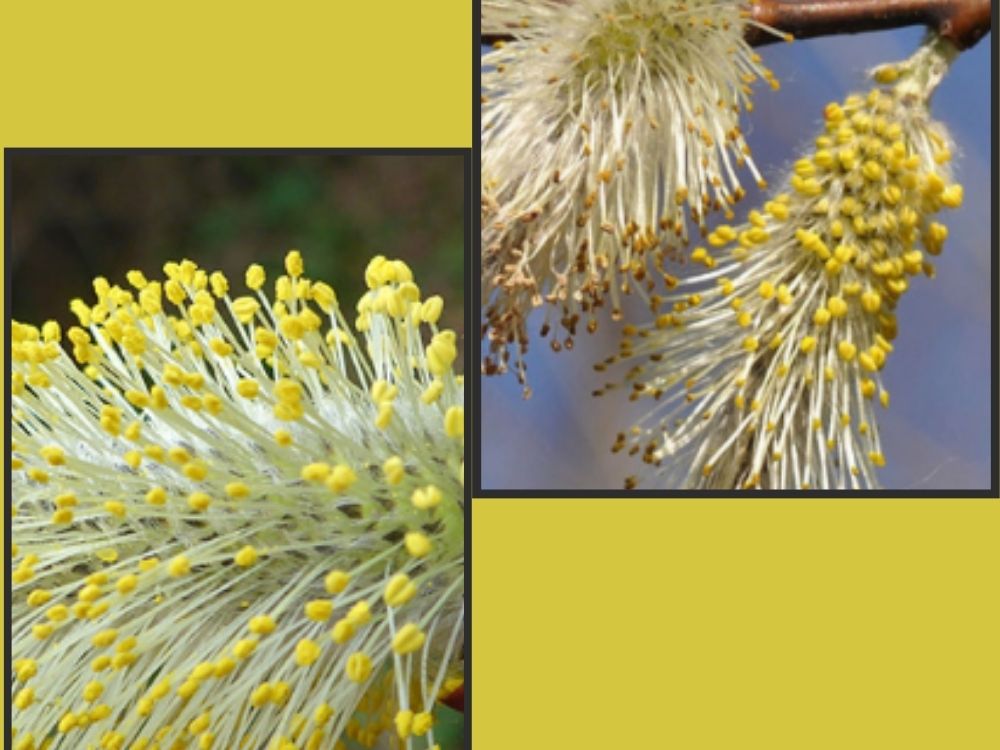
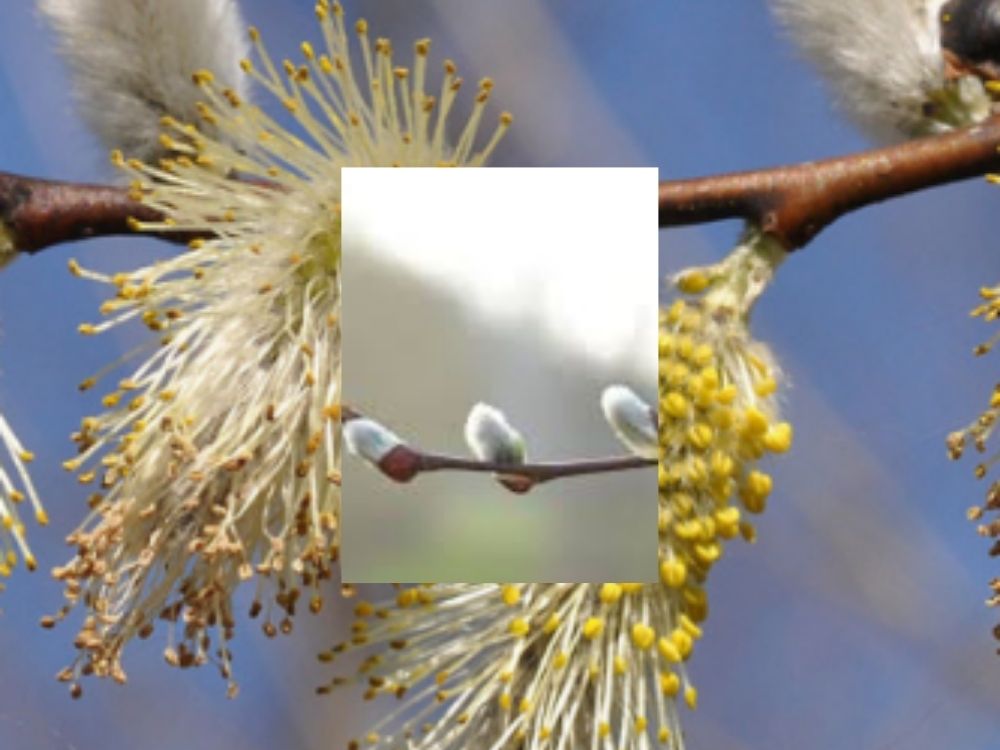
- Appear in spring before the leaves
- Soft, catkin-like structures (typical of willow species)
- Bark and Wood:
- Bark: Blackish-blue or yellowish-red
- Wood: Soft, with a pinkish tone
Habitat and Distribution
Pussy willow is found in:
- Northwestern India
- Kashmir
- Rohilkhand
- Iran
- Europe
It is also cultivated for perfume extraction, and in some regions (like Iran), it is widely used in home remedies.
Chemical Composition
- Tannins (about 4–11%)
- Glucosides (similar to salicin found in willow)
- Wax-like oils
- Gum and resin
- Aromatic compounds (responsible for fragrance)
Temperament (Mizaj)
- Cold in the first degree
- Slightly warm in the second degree (balanced effect)
Pharmacological Actions
- Heart and brain tonic
- Cooling and refreshing agent
- Analgesic (pain reliever)
- Antipyretic (reduces fever)
- Astringent (controls bleeding)
- Carminative (relieves abdominal discomfort)
Medicinal Uses
- Fever and Heat Conditions: Helps reduce body heat and manage fevers, especially hot fevers.
- Headache and Eye Conditions: Useful in:
- Headaches (especially due to heat)
- Hot conjunctivitis (used locally)
- Heart and Brain Health: Acts as a tonic, refreshing and strengthening both.
- Digestive Issues: Relieves:
- Abdominal pain
- Nausea
- Bleeding Disorders:
- Ash of the plant helps stop nosebleeds
- Astringent action controls excess bleeding
- Skin and Moisture Disorders:
Resin is used for conditions involving excess moisture or discharge - General Use: Its extracts are used in
- Perfumes and spirits
- Refreshing tonics
Method of Use
- Flower extract (essence): Used as tonic and perfume
- Bark decoction: Taken for fever and internal cooling
- Ash preparation: Used for stopping bleeding
- Spirit/extract: Used in small medicinal doses
Dosage
- Fresh leaf water: 2 to 5 tolas
- Spirit (extract): 2 to 4 tolas
- Essence: Around 12 tolas